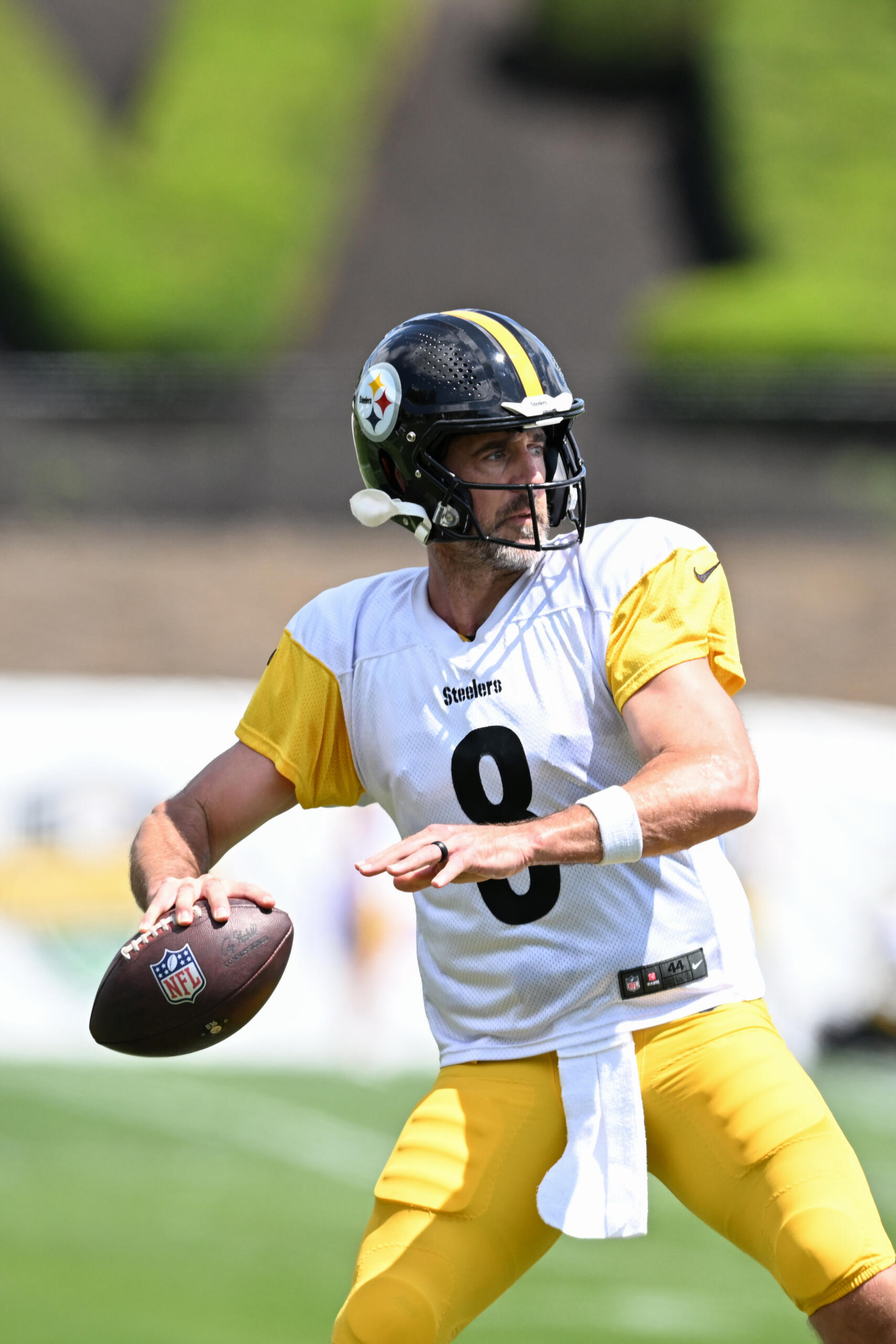
Aaron Rodgers is entering what is expected to be the final season of his legendary NFL career, but apparently he has no interest in quietly riding off into the sunset.
Instead, the Pittsburgh Steelers quarterback is going out swinging.
During an appearance on The Pat McAfee Show, Rodgers launched into a fiery discussion that targeted Dr. Anthony Fauci, ESPN and former NFL reporter Dianna Russini, once again proving that there might not be a more unpredictable interview in professional sports.
Rodgers began by criticizing Fauci after the former government health official repeatedly invoked the Fifth Amendment during recent Senate testimony concerning the government’s COVID-19 response. Rodgers called Fauci an “absolute coward” and questioned why he wouldn’t answer questions despite having received a presidential pardon.
Whether you agree with Rodgers or think he’s completely out of line, this shouldn’t surprise anyone.
Rodgers has spent years challenging the mainstream narrative surrounding COVID, vaccines and the media’s treatment of him. Now, instead of backing away from those battles as retirement approaches, he appears more willing than ever to revisit them.
But Rodgers didn’t stop there.
He also went directly after ESPN — while appearing on an ESPN program — questioning the network’s coverage priorities and bringing up the controversy involving former NFL reporter Dianna Russini and Patriots coach Mike Vrabel. Rodgers questioned why the story hadn’t received more attention and raised concerns about potential conflicts involving reporters who also vote on major NFL awards.
That’s what makes Rodgers such a fascinating — and exhausting — figure.
Most quarterbacks spend training camp talking about route timing, offensive chemistry and preparing for Week 1. Rodgers can somehow turn a question about his mindset entering his final season into a national debate involving Fauci, ESPN and NFL journalism.
Even the Steelers eventually responded.
Pittsburgh spokesman Burt Lauten said discussions involving politics and culture can produce different perspectives and emphasized that players are entitled to their personal views.
That’s basically the safest possible response from a franchise that knows exactly who its quarterback is.
Rodgers will probably remain one of the NFL’s most polarizing figures until the day he retires — and probably long after. Some people see someone willing to say what others won’t. Others see a quarterback who can’t resist turning himself into the story.
Either way, Rodgers clearly isn’t interested in playing the quiet veteran during his farewell tour.
He’s got one season left — and apparently a whole lot left to say.
Check Out All EasySportz NFL Content Here!