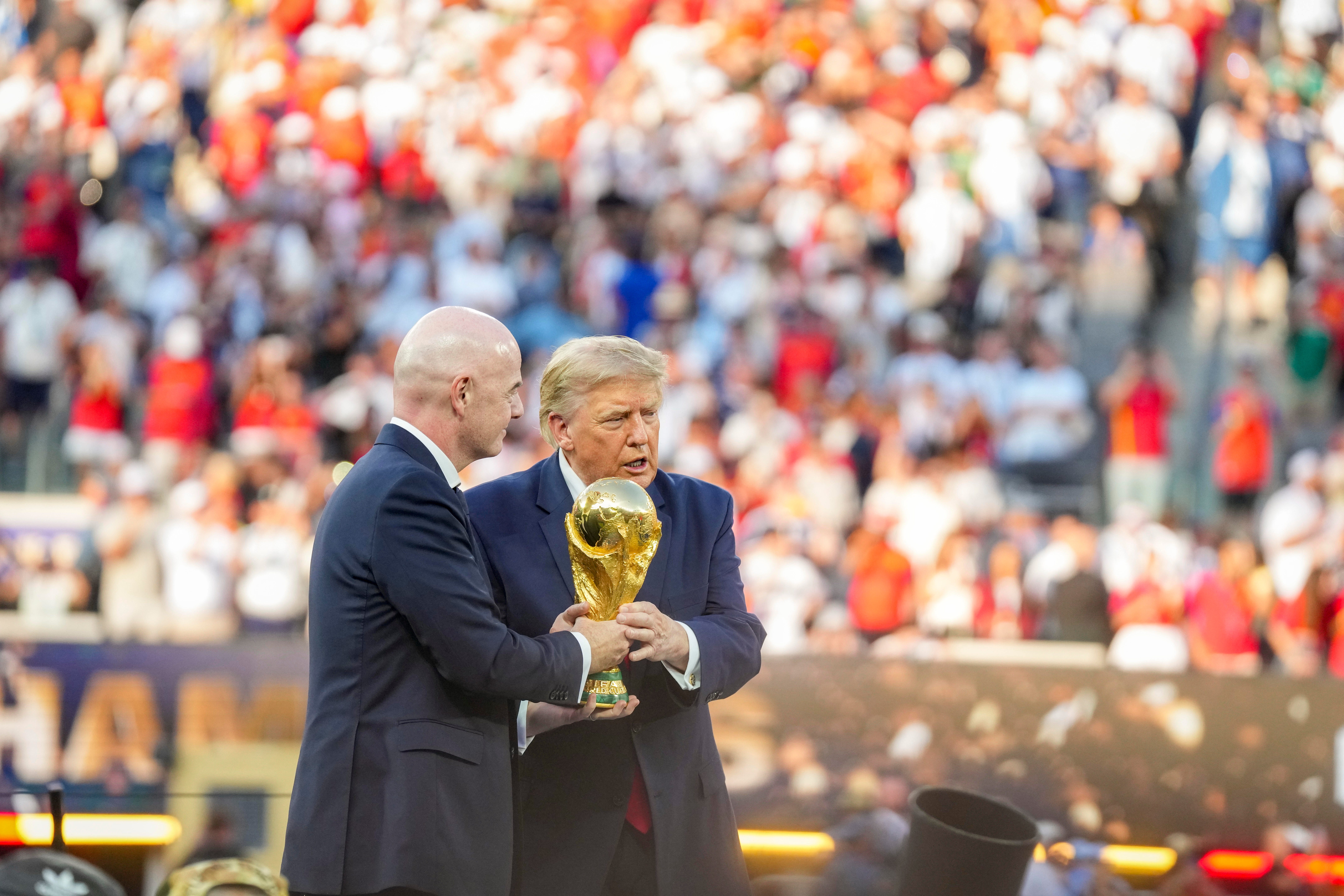
The 2026 FIFA World Cup will likely be remembered as one of the most successful tournaments ever staged in terms of scale, attendance, and revenue. While the event generated controversy over ticket prices, travel policies, and politics, it also shattered records and showcased the United States’ ability to host the world’s biggest sporting event.
President Donald Trump made the tournament a priority, creating a White House task force to coordinate security, transportation, and federal support. The administration touted projections of more than $17 billion in U.S. GDP impact and 185,000 jobs tied to the World Cup, while host cities welcomed millions of visitors.
On the field, the tournament delivered memorable moments, culminating in Spain defeating Argentina in the final. Off the field, attendance reached more than 6.6 million fans, setting a new FIFA World Cup record with stadiums operating at nearly full capacity. FIFA President Gianni Infantino described the competition as exceeding expectations, and the tournament generated unprecedented commercial success.
That doesn’t mean the event escaped criticism. High ticket prices, visa concerns affecting some international supporters, and the commercialization of the tournament drew backlash. Trump’s visible involvement also became a political flashpoint for some fans, illustrating how difficult it was to separate the event from broader political debates.
Ultimately, whether someone views Trump’s World Cup as a success depends on which metric they value most. If the standard is attendance, revenue, global attention, and executing a tournament of unprecedented size, the 2026 World Cup was a major success. If the focus is on affordability, political controversy, or fan experience, critics argue there were significant shortcomings. Both perspectives became part of the story surrounding one of the largest sporting events in history.
Check out all EasySportz Soccer Content Here
View the World Cup Standings Here