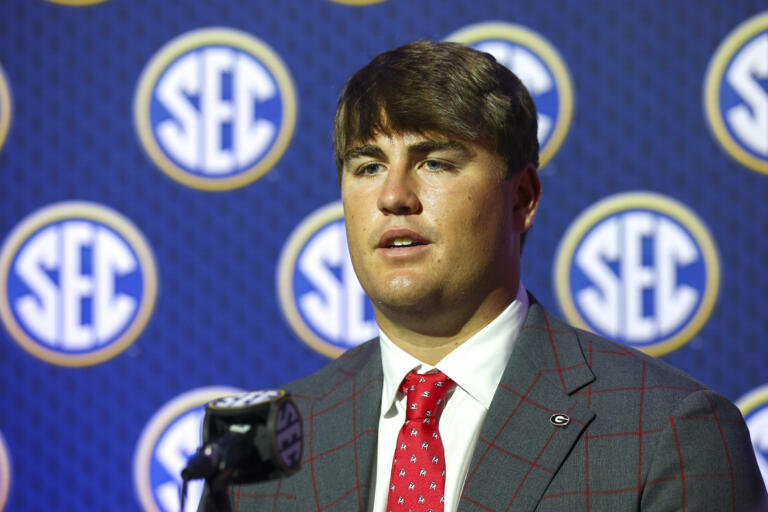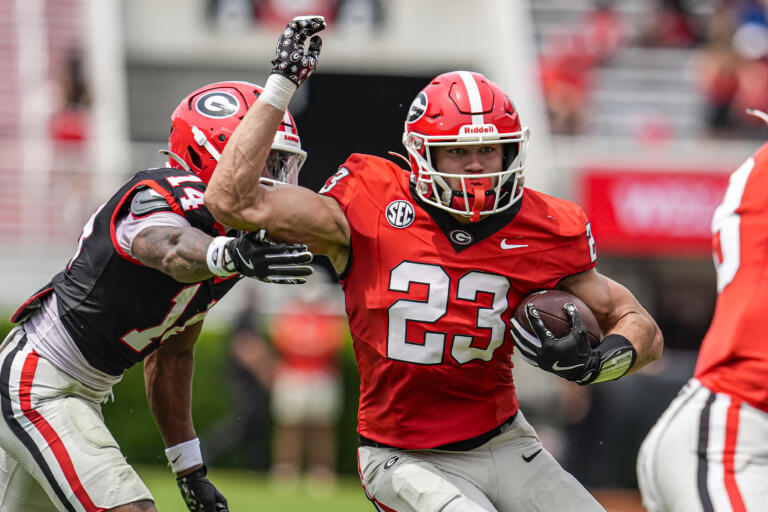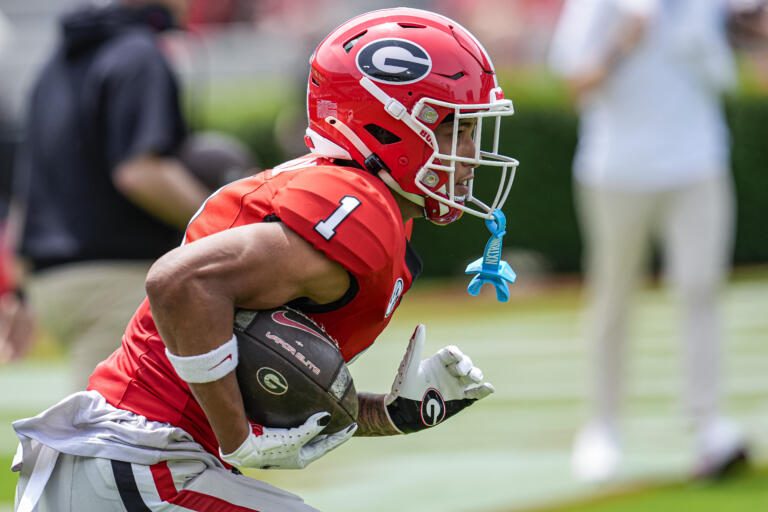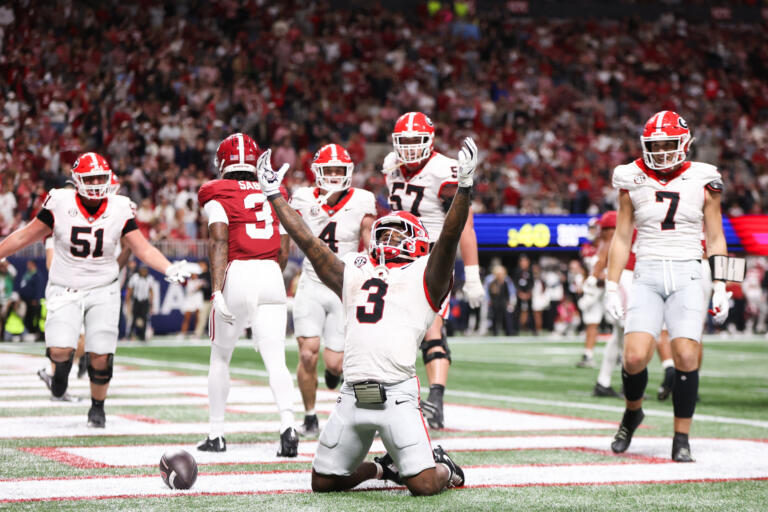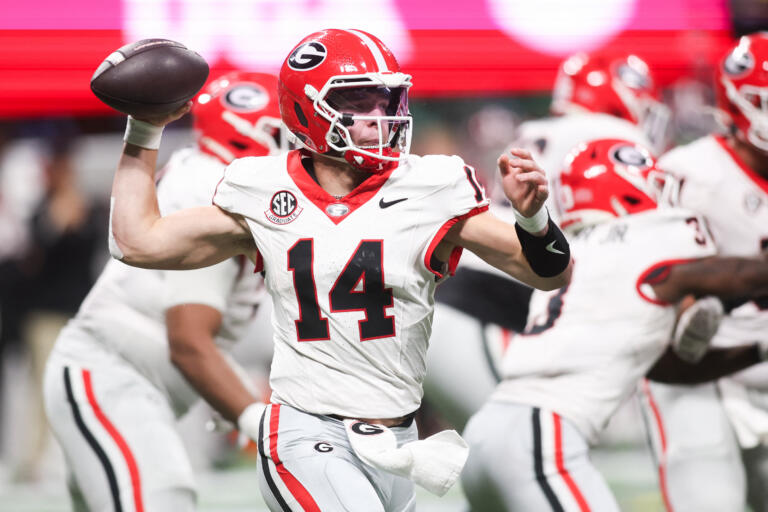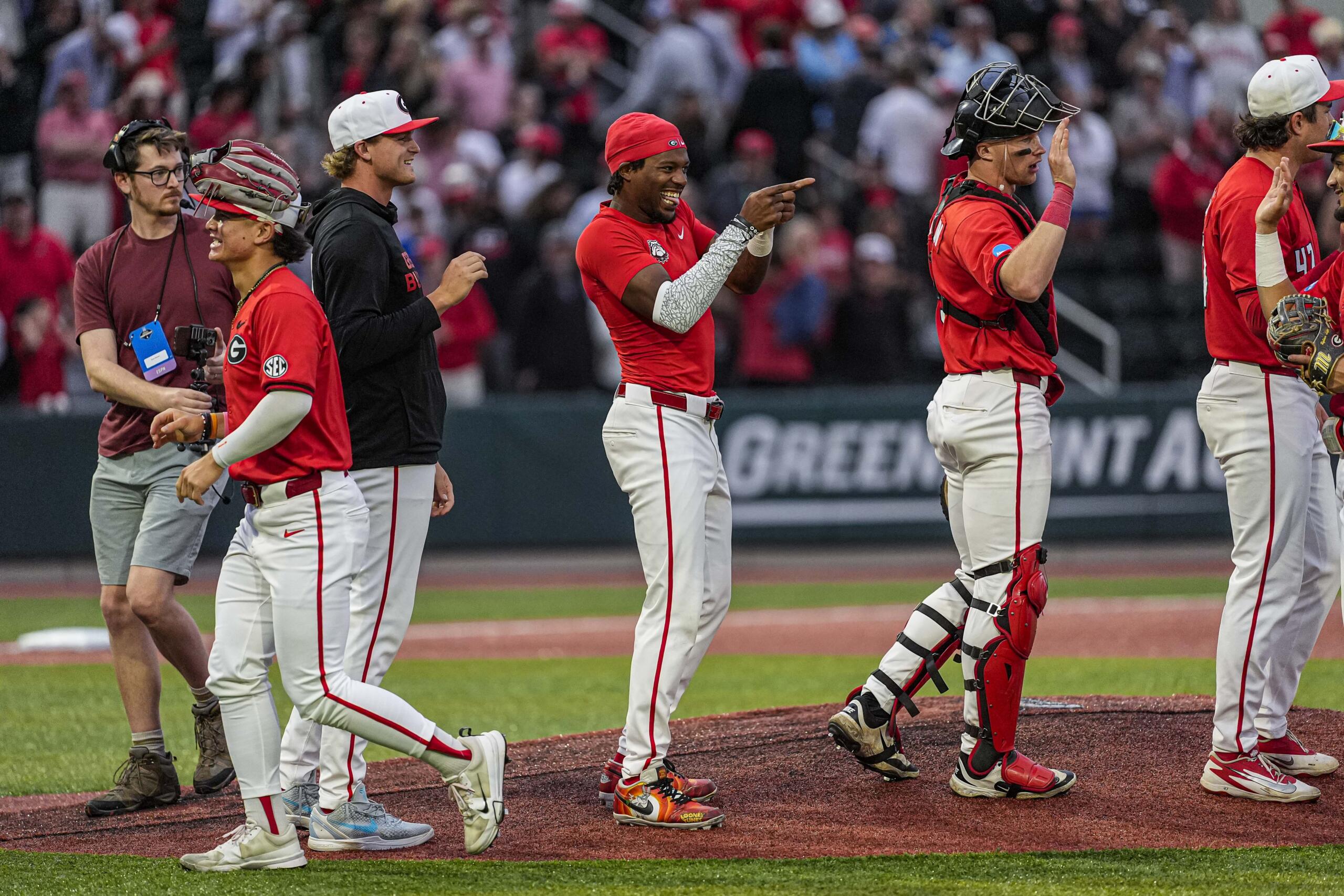
When the 2026 College World Series begins in Omaha on June 12, one storyline towers above all others: the SEC’s grip on college baseball has never been stronger. The conference placed five of the eight teams in this year’s field—Georgia, Texas, Alabama, Oklahoma, and Ole Miss—meaning more than half of Omaha belongs to the SEC.
What’s even more remarkable is how the bracket has unfolded. Georgia, Texas, Alabama, and Oklahoma are all on the same side of the bracket, guaranteeing that an SEC team will reach the College World Series Finals before a single pitch is thrown in Omaha.
The numbers paint an even bigger picture. The SEC has produced a finalist in every College World Series since 2016, excluding the canceled 2020 season, and the conference has won six consecutive national championships dating back to 2019. The last non-SEC program to win it all was Oregon State in 2018.
This year’s field shows just how deep the conference has become. Georgia arrives after one of the hottest stretches in the country. Texas is making its 39th College World Series appearance. Alabama returns to Omaha for the first time since 1999. Ole Miss made another postseason run despite entering the tournament as an underdog, while Oklahoma secured the final berth and continued the SEC’s dominance after joining the conference.
The SEC’s success isn’t a one-year anomaly. Twelve SEC programs reached the NCAA Tournament this season, once again leading the nation and proving that the conference’s depth extends far beyond the teams that ultimately made Omaha.
Of course, the SEC won’t have the championship handed to it. North Carolina, West Virginia, and Troy all arrive with dreams of crashing the party. But the reality is impossible to ignore: college baseball’s biggest stage has become SEC territory.
As the 2026 College World Series gets underway, the question isn’t whether the SEC will make noise in Omaha. The question is whether anyone can stop it.