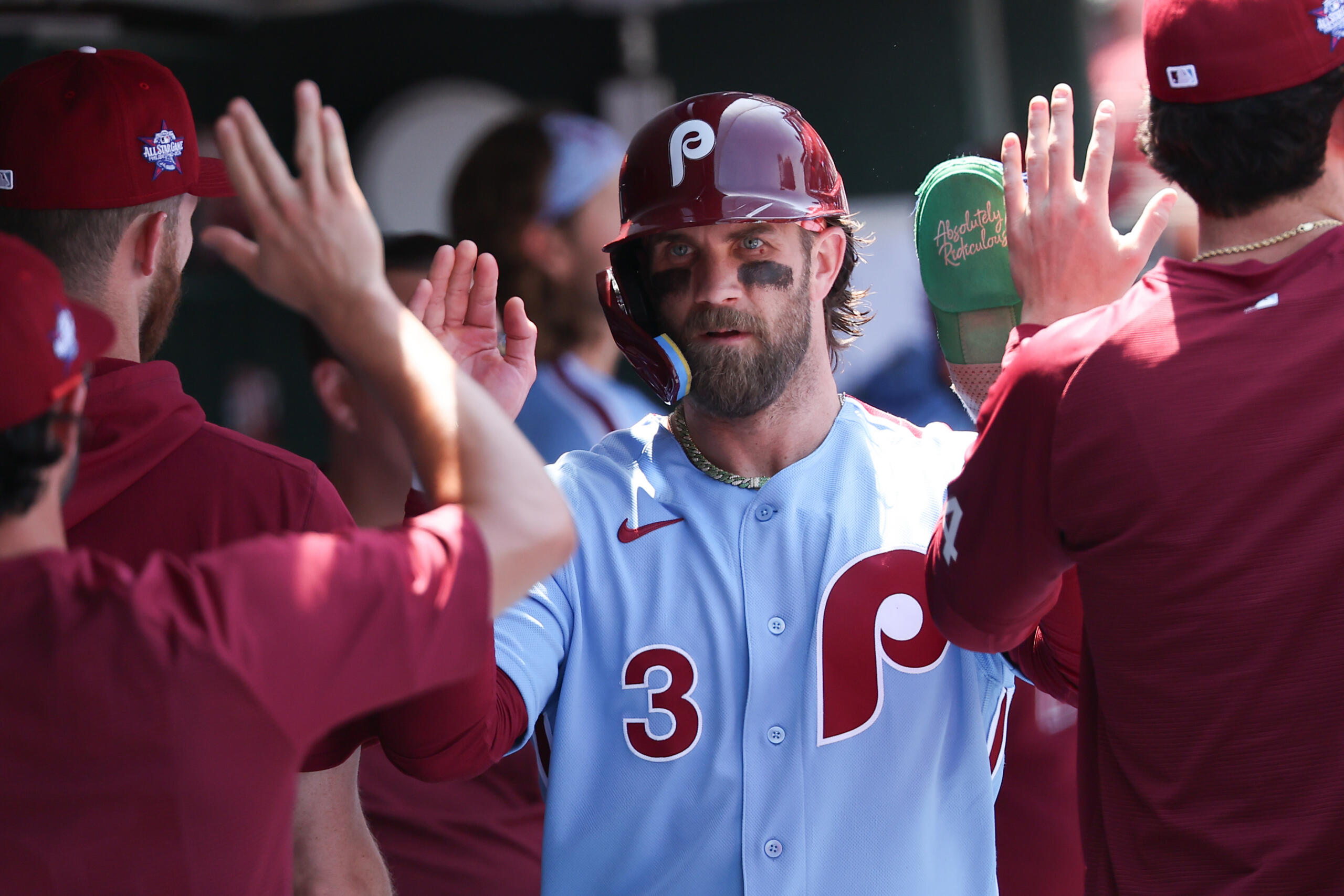
Harper isn’t just worried — he’s sounding the alarm. The Phillies star isn’t talking about a close game or a tight bullpen. He’s talking about the future of the sport itself. According to ESPN, Harper said, “Can’t lose that momentum,” in a recent interview, warning that a lockout could cripple the 2027 season and unravel years of progress. That’s not just a statement — it’s a wake-up call. You don’t say “can’t lose that momentum” unless you’re watching something fragile slip through your fingers.
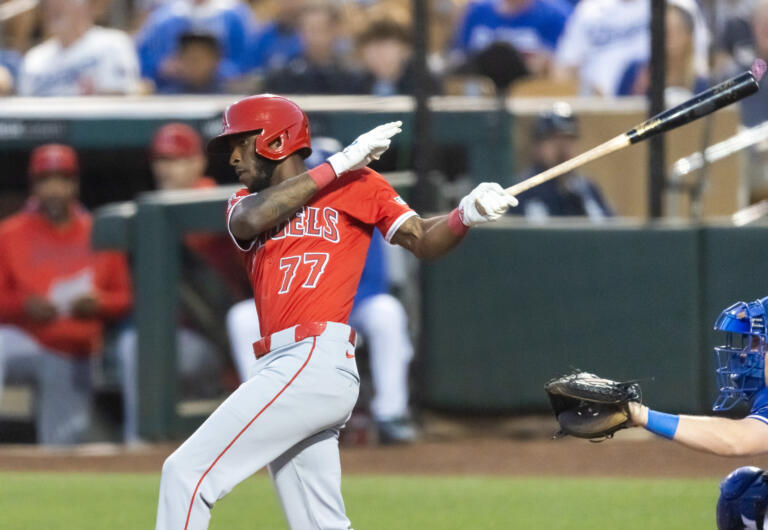
And momentum is exactly what’s at risk. The league’s current labor talks are stalled, and the ripple effects are already visible on the field. Just last week, the Reds’ Elly De La Cruz exited a game with a right hamstring tightness after a single to right center — the team’s shortstop now sidelined, MRI pending. Per ESPN, the injury came during a crucial stretch against the Braves. That’s not just bad luck. That’s a pattern emerging.
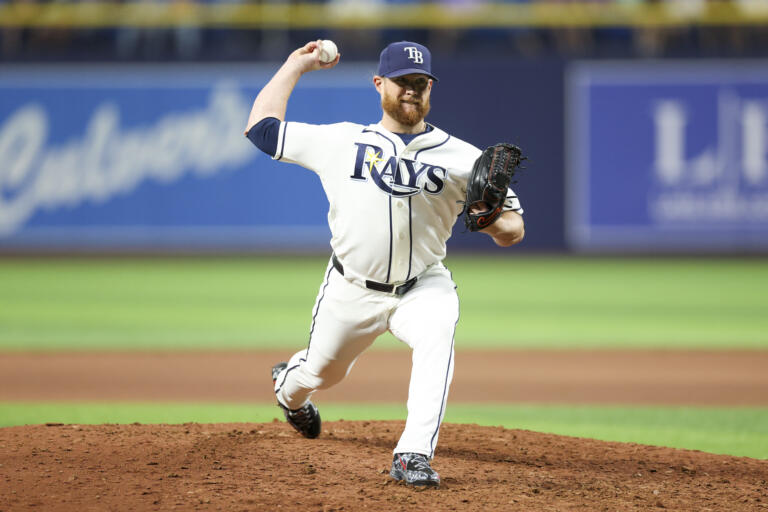
It’s not just the Reds. The Twins placed right-hander Bailey Ober on the 15-day injured list due to right elbow inflammation — a day after he allowed seven earned runs in a loss to the Pirates. Ober’s 6-3 record and 4.59 ERA this season aren’t just numbers. They’re a testament to a rotation under siege. And the Marlins? Janson Junk, another key arm, landed on the IL with right shin inflammation. That’s three teams, three injuries, and a collective sense of dread building. You don’t need a doctor’s report to feel it.
But here’s the kicker: none of this is due to poor performance. These are not players breaking down from overuse or bad mechanics. These are athletes who are still in their prime — De La Cruz is 22, Ober is 26, Junk is 25. They’re not on the shelf because of age or injury history. They’re on the shelf because the system can’t keep up. And when the system fails, the fans pay the price — in games, in stories, in memories.
Harper’s warning isn’t just about the 2027 season. It’s about the soul of the game. He’s not a front-office executive. He’s not a union rep. He’s a player. He’s out there every day, chasing a ball, fighting for a win. And he’s saying: if we lose this moment, we lose more than games. We lose the rhythm. The chemistry. The fire that makes baseball more than a sport — it makes it a ritual.
But let’s be real — this isn’t just about injuries. It’s about timing. The league’s labor talks are at a breaking point. If a lockout happens, it’s not just a few weeks lost. It’s a full season at risk. And when you lose a season, you lose the draft, the development, the next generation of stars. You lose the farm system’s momentum. That’s not just a risk — it’s a collapse.
Per The Athletic, the current standoff between the owners and the players’ union is rooted in revenue splits and luxury tax thresholds. But the real issue isn’t dollars — it’s trust. The players aren’t just asking for more money. They’re asking for stability. For continuity. For the right to play without fear of having the season erased by a boardroom decision.
And Harper knows this. He’s been through it. He’s played in the shadow of a lockout before. He’s seen what it does to a team — to a city. The energy dies. The fans don’t come back. The stars leave. The brand fades. It’s not just a lost season. It’s a lost identity.
But here’s what you need to see: this isn’t just about the Phillies. It’s about every team. Every player. Every fan who shows up early, buys the hat, sings the song. This is about the heartbeat of the game. And if we let it stop — not because of injury, not because of failure — but because of a decision made in a conference room, then we’ve lost more than a season. We’ve lost the reason we love it.
So what’s next? The next move isn’t in the press room. It’s in the dugout. It’s in the locker room. It’s in the hands of the players, the union reps, the owners who still have a chance to walk away from the table and say, “We can do better.” Harper isn’t begging. He’s not threatening. He’s just saying: don’t let this go. Don’t let the momentum die.
And if you’re watching — if you’re in the stands, if you’re on the couch, if you’re texting your buddy about the game — then you’re part of this. This isn’t just a story about injuries or contracts. It’s a story about you. Your team. Your season. Your future.
Because when the next pitch is thrown — whether it’s in April or 2027 — it won’t be just a ball. It’ll be a promise. A chance. A moment that could be gone — if we don’t act now.
—
Key Takeaways
- Bryce Harper has issued a direct warning: a labor lockout could destroy momentum and jeopardize the 2027 season.
- Multiple key players, including Elly De La Cruz, Bailey Ober, and Janson Junk, are already sidelined with injuries, raising concerns about team depth.
- The outcome of labor talks isn’t just about contracts — it’s about preserving the integrity, rhythm, and future of the game.
Frequently Asked Questions
What does Bryce Harper’s warning mean for the 2027 MLB season?
Harper’s statement signals growing concern that a labor lockout could delay or cancel the 2027 season. If talks collapse, the ripple effect could disrupt the draft, player development, and team continuity, threatening the long-term health of the sport.
How are injuries like De La Cruz’s and Ober’s connected to the labor talks?
While the injuries themselves are medical, the broader context of player availability and team stability is tied to labor negotiations. A lockout could delay training, reduce preparation time, and increase injury risk due to rushed returns — making current injuries a symptom of a deeper systemic issue.
What happens if the 2027 season is lost to a lockout?
A lost 2027 season would disrupt the player development pipeline, impact team rosters, and damage fan engagement. It could also lead to long-term financial losses and weaken the league’s competitive balance for years.