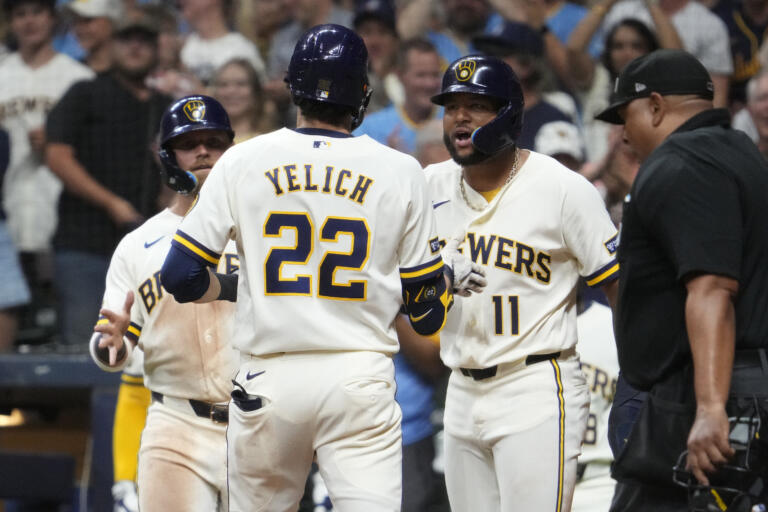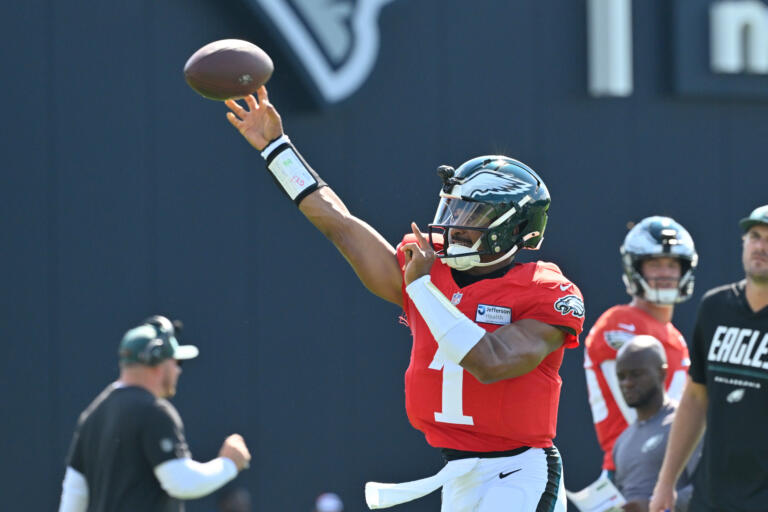
The conversation around the No. 1 pick in the 2027 NFL Draft is already taking shape, and three names sit clearly above the rest: Dylan Stewart, Arch Manning, and Jeremiah Smith. Each represents a different positional value, a different type of franchise cornerstone, and a different path to the top spot. The debate isn’t just about talent—it’s about what NFL teams will prioritize when they’re on the clock.
Start with Dylan Stewart, the defensive game-wrecker. Edge rushers are always premium assets in the NFL, and Stewart fits the mold of a future top pick perfectly. He has the size, explosiveness, and motor that scouts drool over, and more importantly, he impacts games in ways that show up immediately on tape. Quarterbacks can be neutralized by schemes or supporting casts, but elite pass rushers disrupt everything. If Stewart continues to dominate in the SEC and proves he can take over games consistently, he could easily become the safest No. 1 option. Teams picking first are often rebuilding, and a dominant edge rusher gives you a defensive identity right away.
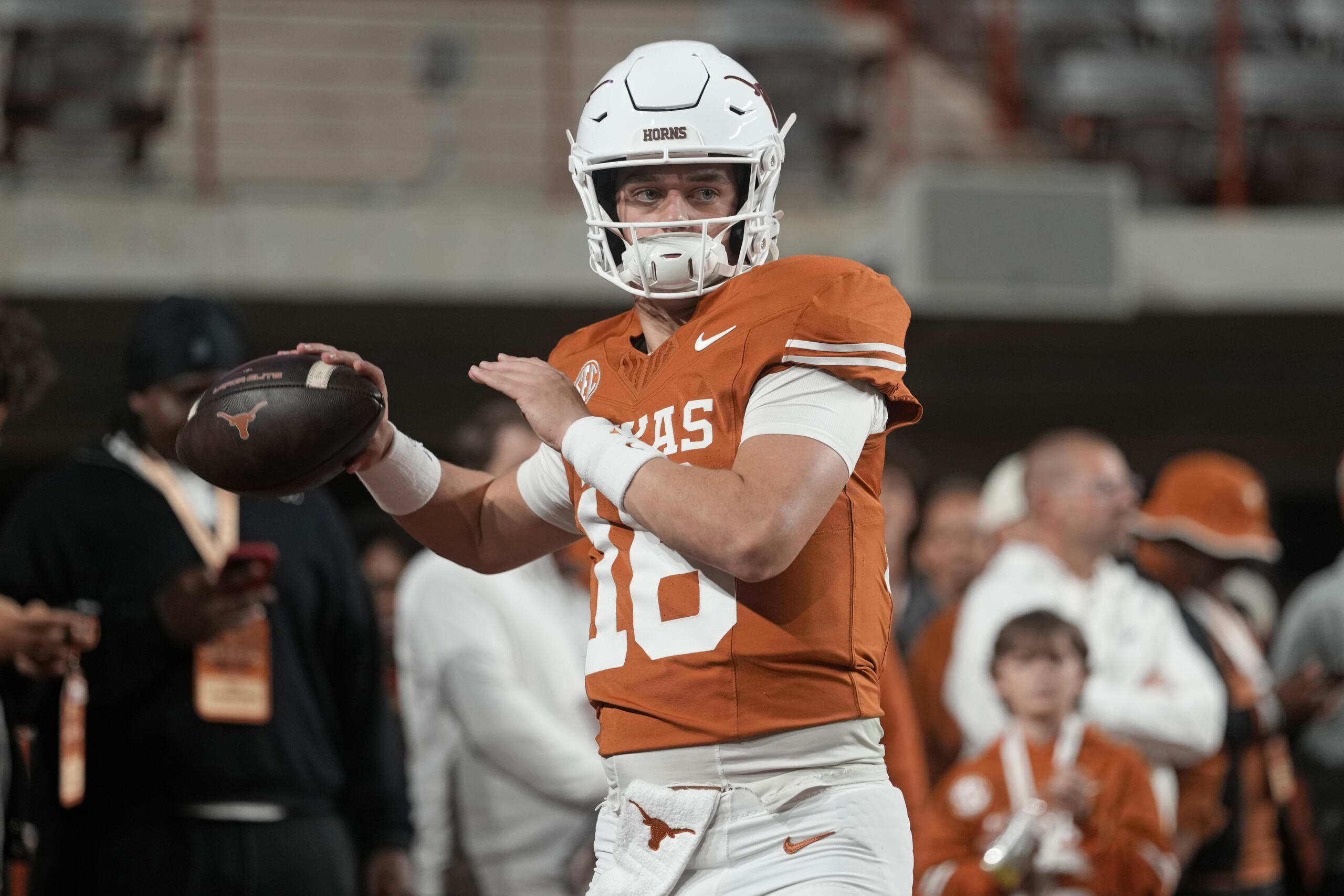
Then there’s Arch Manning, the name everyone knows. Quarterbacks will always dominate the No. 1 pick conversation, and Manning is no exception. He has the pedigree, the arm talent, and the poise that NFL teams crave. But unlike previous hyped prospects, his path to No. 1 will depend heavily on production. If he puts up elite numbers at Texas, shows command of a high-level offense, and proves he can elevate talent around him, he’ll be hard to pass on. The reality is simple: if a quarterback-needy team holds the first pick and Manning looks like a franchise QB, he becomes the favorite almost by default. That’s just how the league works.
Jeremiah Smith brings a different angle to the debate. Wide receivers don’t typically go No. 1 overall, but Smith isn’t a typical receiver. He has the physical tools, route-running ability, and game-breaking presence to be viewed as a generational talent. Think about how teams value players who can completely tilt coverage and dictate defensive game plans. If Smith continues to dominate at Ohio State and separates himself as the clear best player in college football, he’ll force teams to at least consider breaking positional norms. It’s rare—but not impossible—especially in a draft without a clear-cut elite quarterback.
So who actually goes No. 1? Right now, the safest projection is Arch Manning simply because of positional value. Quarterbacks drive the league, and teams picking first are usually desperate for one. But that comes with a major condition—he has to produce at an elite level. If there are any doubts, the door swings wide open.
That’s where Dylan Stewart becomes extremely dangerous in this race. If he develops into a dominant, can’t-miss edge rusher, he might be the best overall player regardless of position. Teams are becoming more willing to take the best player available when the quarterback class isn’t perfect, and Stewart fits that mold.
Jeremiah Smith feels like the wild card. He may end up being the most talented of the three, but history works against him. Still, if his dominance reaches a level where he’s viewed as truly generational, he’ll force teams to rethink the usual rules.
As of now, it’s a three-man race with different paths to the same destination. Manning controls it with quarterback value, Stewart challenges it with defensive dominance, and Smith threatens to break the mold entirely. The next college football season will likely decide everything.
Check Out All EasySportz NFL Content Here!
College Football Viewing Guide