Opinion: The NBA Season Is Too Long — and the Product Is Getting Lost in It
The NBA doesn’t have a talent problem. It has a timing problem.
The league has stretched its regular season so far that the product too often drifts into autopilot from the All-Star break through April. Too many teams are still alive for too long, too many games matter too little, and too many stars sit too often. The result is a long season that doesn’t always feel like a meaningful one.
It’s time for the NBA to cut it down.
The simplest fix is also the most obvious: reduce the regular season by 10-12 games and shorten the first round of the playoffs to a best-of-five series.
Right now, the league creates a situation where nearly two-thirds of teams are either in the play-in or still mathematically alive deep into the spring. That structure keeps hope afloat, but it also rewards mediocrity and drags out the middle of the season into something closer to background noise than must-watch basketball.
The play-in tournament, while entertaining in bursts, has only amplified that issue. It expands the postseason bubble so wide that more teams feel relevant, even when they are not truly contending. That leads to a growing gap between serious title teams and everyone else — and the regular season becomes a long sorting exercise instead of a high-stakes race.
Then comes the tanking problem.
Teams on the fringe of contention often shut things down early, prioritize draft positioning, and strip the middle months of competitive intensity. Fans are left watching shortened rotations, inconsistent effort, and injury management strategies that prioritize May and June over January and February.
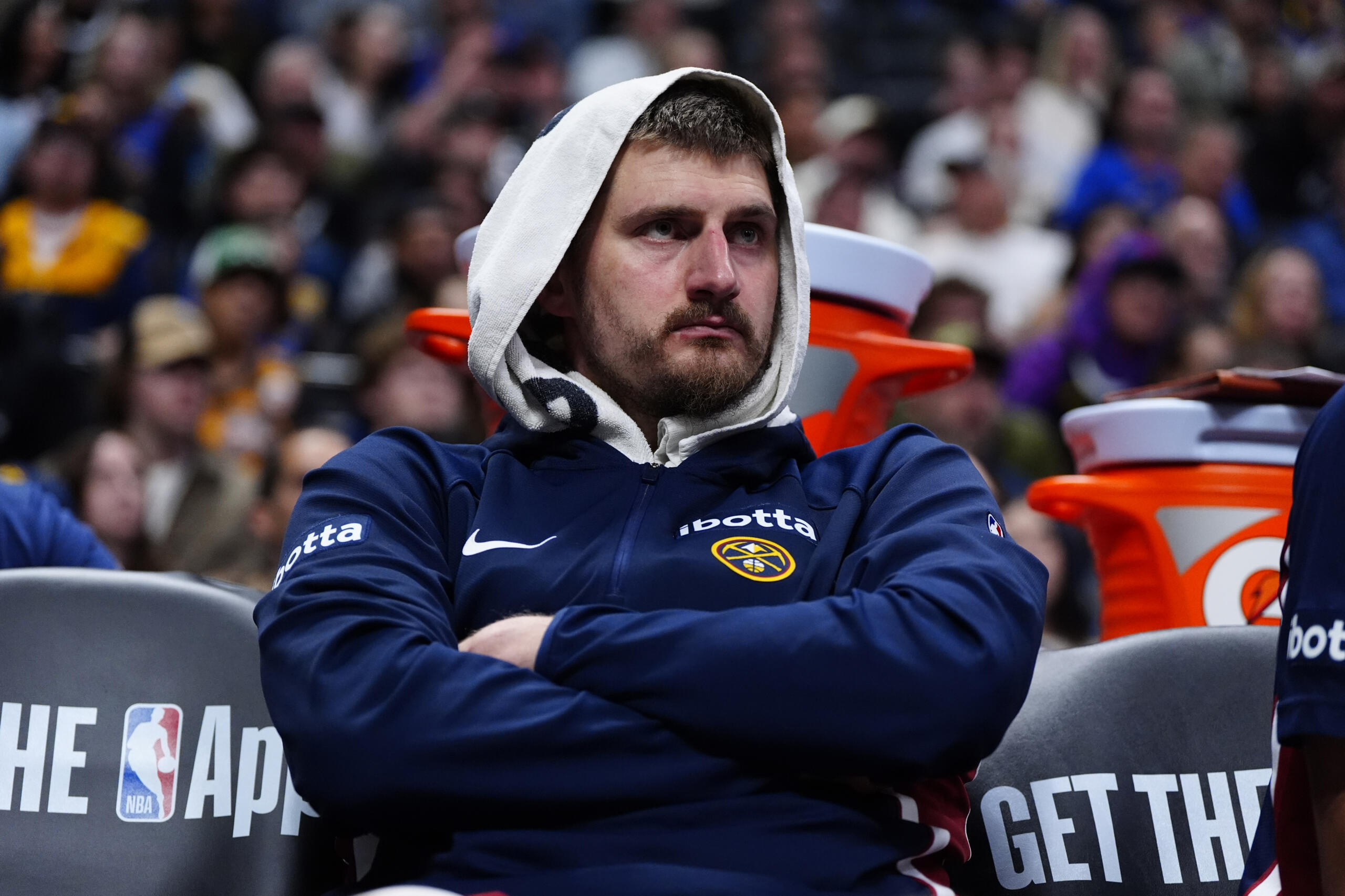
Load management is not just a player issue — it’s a calendar issue.
Fewer games would mean fewer nights of rest for the sake of rest. A shorter schedule would force teams to prioritize games differently and treat each matchup with more urgency. It would also increase the percentage of games that actually matter, improving both television value and live attendance.
And then there’s the postseason itself.
The first round of the NBA playoffs is often the least competitive stage of the entire tournament, especially when top seeds face play-in survivors. A best-of-seven series can stretch mismatches into long, predictable slogs. A best-of-five format would sharpen urgency, increase volatility, and reward teams that are ready immediately — not just eventually.
More pressure. Fewer guarantees. Better basketball.
That’s the tradeoff worth making.
The league often points to revenue, inventory, and global scheduling as reasons to maintain the current structure. But the product itself is the foundation of all of that. If the games become more meaningful, the audience follows. If the stars play more often in high-stakes environments, ratings improve naturally. If fewer nights feel like filler, fans tune in more consistently.
Right now, the NBA is asking fans to invest in too many games that don’t carry weight until the final weeks of the season — and even then, only for a subset of teams.
Cut the schedule. Tighten the playoffs. Raise the stakes.
Because the NBA doesn’t need more basketball.
It needs more meaningful basketball. TV rules all, so this will be an uphill battle, but seriously worth looking into.
Check out all EasySportz NHL Content Here
College Football Viewing Guide