TALLADEGA, Ala. — Superspeedway chaos is nothing new, but Sunday’s “Big One” at Talladega Superspeedway has the garage buzzing — and not in a good way.
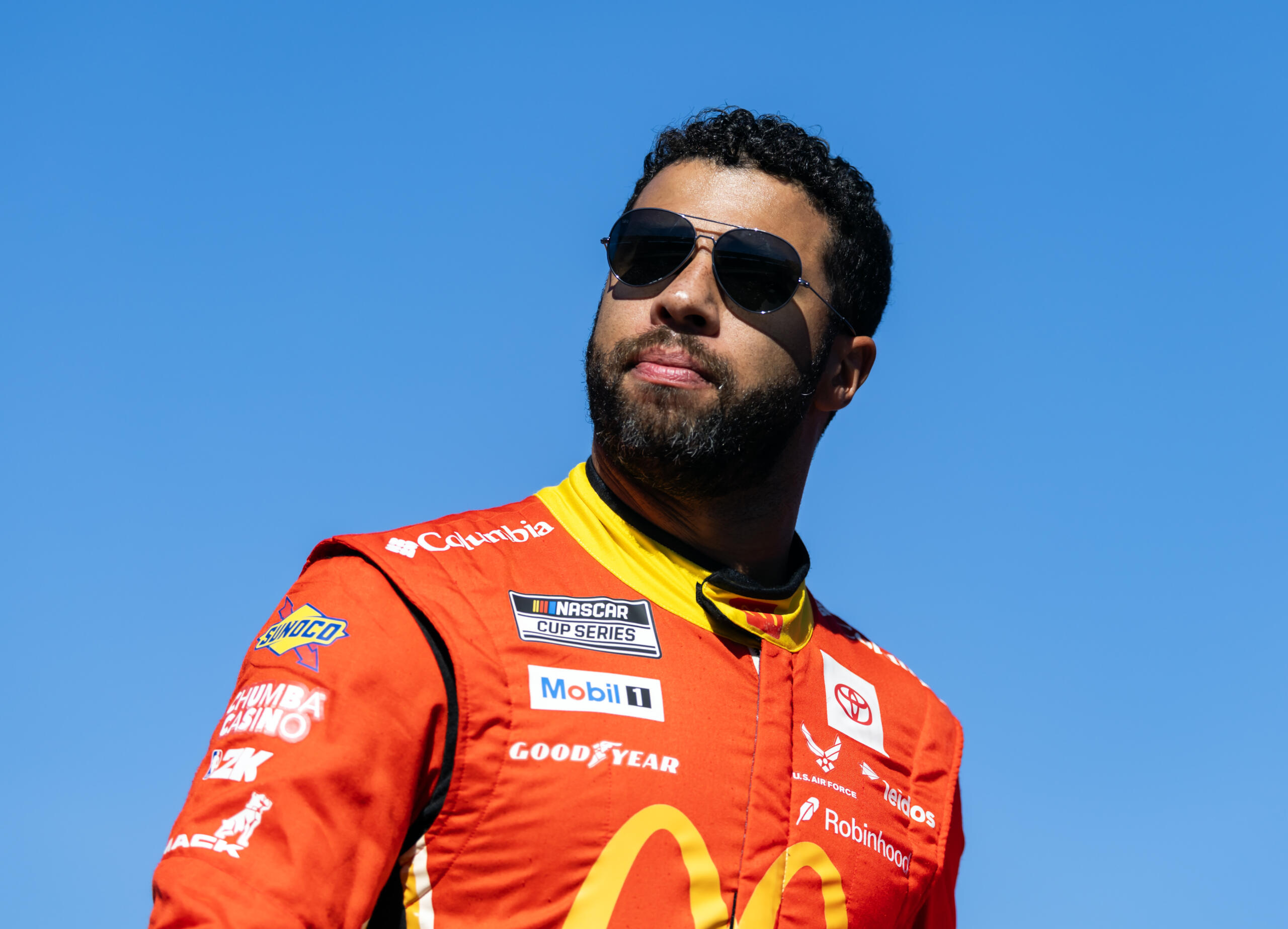
At the center of it all sits Bubba Wallace, one of the sport’s fastest and most polarizing plate racers. The wreck wiped out a chunk of the field, scrambled the running order and reignited a familiar conversation: when does aggressive become too aggressive?
Wallace, who drives for 23XI Racing, has built a reputation as a legitimate threat on drafting tracks. He consistently runs up front, controls lanes and positions himself to win. Few drivers generate the kind of raw speed he brings to superspeedways.
But that edge often comes with risk.
According to multiple drivers, the move that triggered the crash came during a tense mid-pack shuffle, when pushing and blocking reached their usual Talladega boiling point. One miscalculation — a push that didn’t quite line up, a block that came a split-second too late — and the pack stacked up behind it.
The result: smoke, spinning cars and another highlight-reel pileup.
“It’s just part of it here,” one driver said, echoing a sentiment heard throughout the garage. “But at some point, you’ve got to give each other a little more room.”
That’s where Wallace’s critics have focused. While acknowledging his speed and racecraft, some believe his aggressive style in tight quarters can put others in vulnerable spots — especially in the middle of the pack, where reactions come fast and space disappears even faster.
To be clear, superspeedway racing rarely has a single culprit. The draft magnifies every decision, and it often takes multiple small mistakes to create one massive crash. Still, when a driver repeatedly finds himself near the center of those moments, the spotlight follows.
Wallace didn’t shy away from the conversation afterward, noting that racing at Talladega requires drivers to walk a fine line between patience and aggression. Backing off can cost positions. Pushing forward can cost the race.
On Sunday, it cost a lot of cars.
Despite the incident, Wallace’s talent on plate tracks remains undeniable. He continues to lead laps, contend for wins and position himself as a factor every time the series visits Talladega or Daytona. That combination of speed and assertiveness is exactly what makes him dangerous — and, at times, controversial.
The frustration inside the garage is real, but so is the respect.
That’s the balance Wallace now has to manage.
Because at Talladega, being aggressive can win you the race. It can also end it for half the field.
Check out all EasySportz NHL Content Here
College Football Viewing Guide