The Olympic world was rocked this week after the International Olympic Committee (IOC) made one of the most controversial decisions in modern sports history—banning transgender women from competing in female Olympic events starting with the 2028 Los Angeles Games.
The ruling marks a dramatic shift in Olympic policy and comes at a time when global debates around fairness, inclusion, and competitive integrity are at an all-time high.
For years, the IOC allowed individual sports federations to determine eligibility rules for transgender athletes. That flexibility is now gone. Under the new policy, only athletes classified as “biological females” will be eligible to compete in women’s events, determined through a one-time genetic screening test.
A Policy Built on “Fairness”
IOC President Kirsty Coventry emphasized that the decision was rooted in science and the desire to maintain fairness in women’s sports. The organization cited research suggesting that athletes who go through male puberty may retain physical advantages—even after hormone therapy—including differences in strength, endurance, and power.
The new rules will also apply to athletes with differences in sex development (DSD), creating a universal standard across all Olympic sports—something the IOC had avoided for years.
Trump’s Role in the Bigger Picture
While this is an IOC decision, it doesn’t exist in a vacuum.
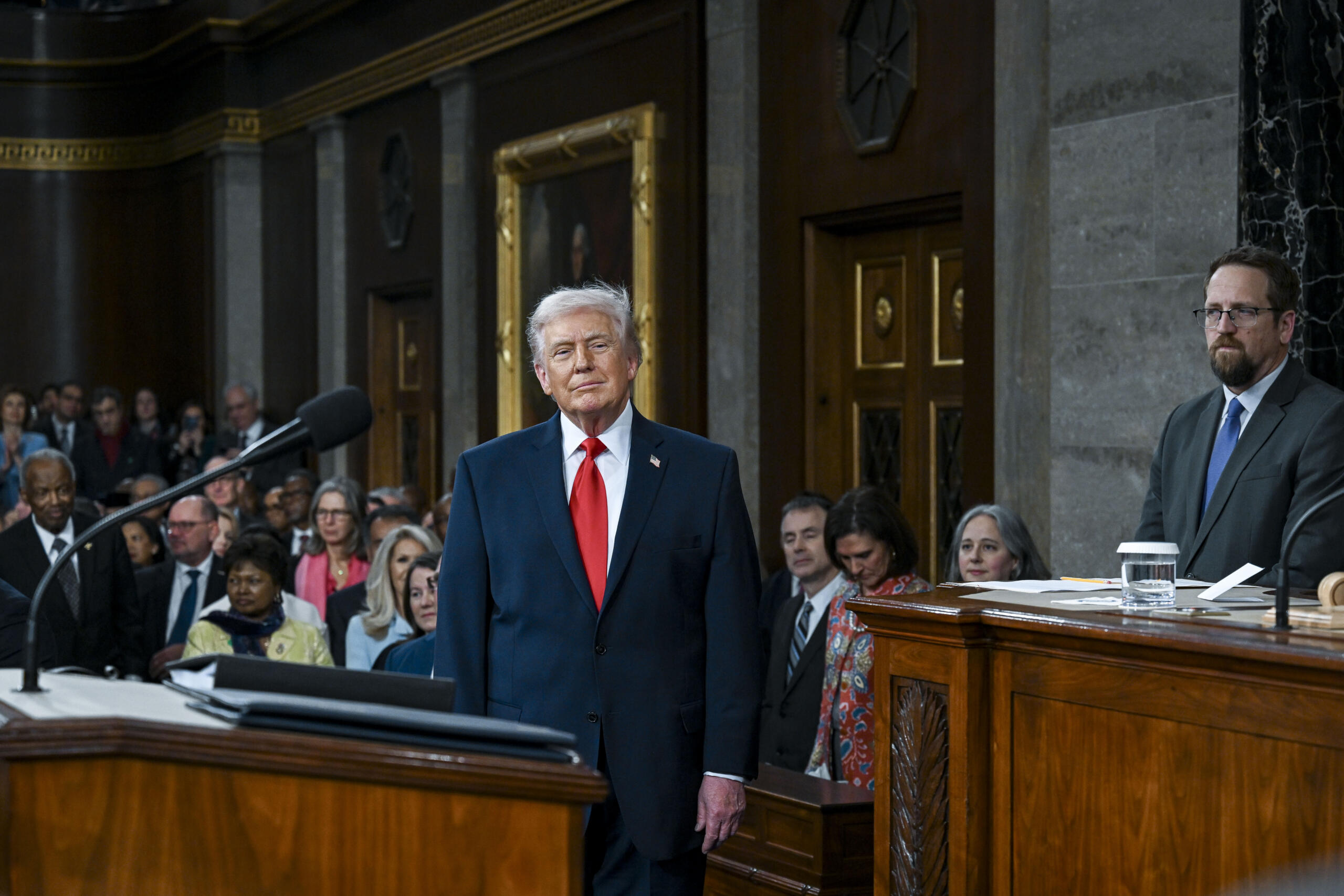
The move aligns with policies pushed in the United States, including a 2025 executive order signed by former President Donald Trump aimed at restricting transgender participation in women’s sports.
That order influenced organizations like the U.S. Olympic and Paralympic Committee, which had already implemented similar restrictions. Now, with the 2028 Olympics set to take place in Los Angeles, the IOC’s decision reflects growing political and cultural pressure—especially from the U.S.—to standardize rules around gender eligibility.
Why This Is So Controversial
Supporters of the decision argue it protects competitive integrity and ensures a level playing field in women’s sports.
Critics, however, say the policy is exclusionary and raises serious concerns about privacy and human rights—especially with the introduction of mandatory genetic testing.
The debate is far from over.
This decision doesn’t impact amateur or recreational sports, but at the Olympic level—the biggest stage in the world—it represents a defining moment in how sports organizations balance fairness and inclusion moving forward.
The Bottom Line
The Olympics just drew a line in the sand.
And whether you see it as protecting women’s sports or limiting athlete rights, one thing is clear—this decision, and the political forces surrounding it, are going to shape the future of global competition for years to come.
Check Out All EasySportz MLB Content Here
College Football Viewing Guide