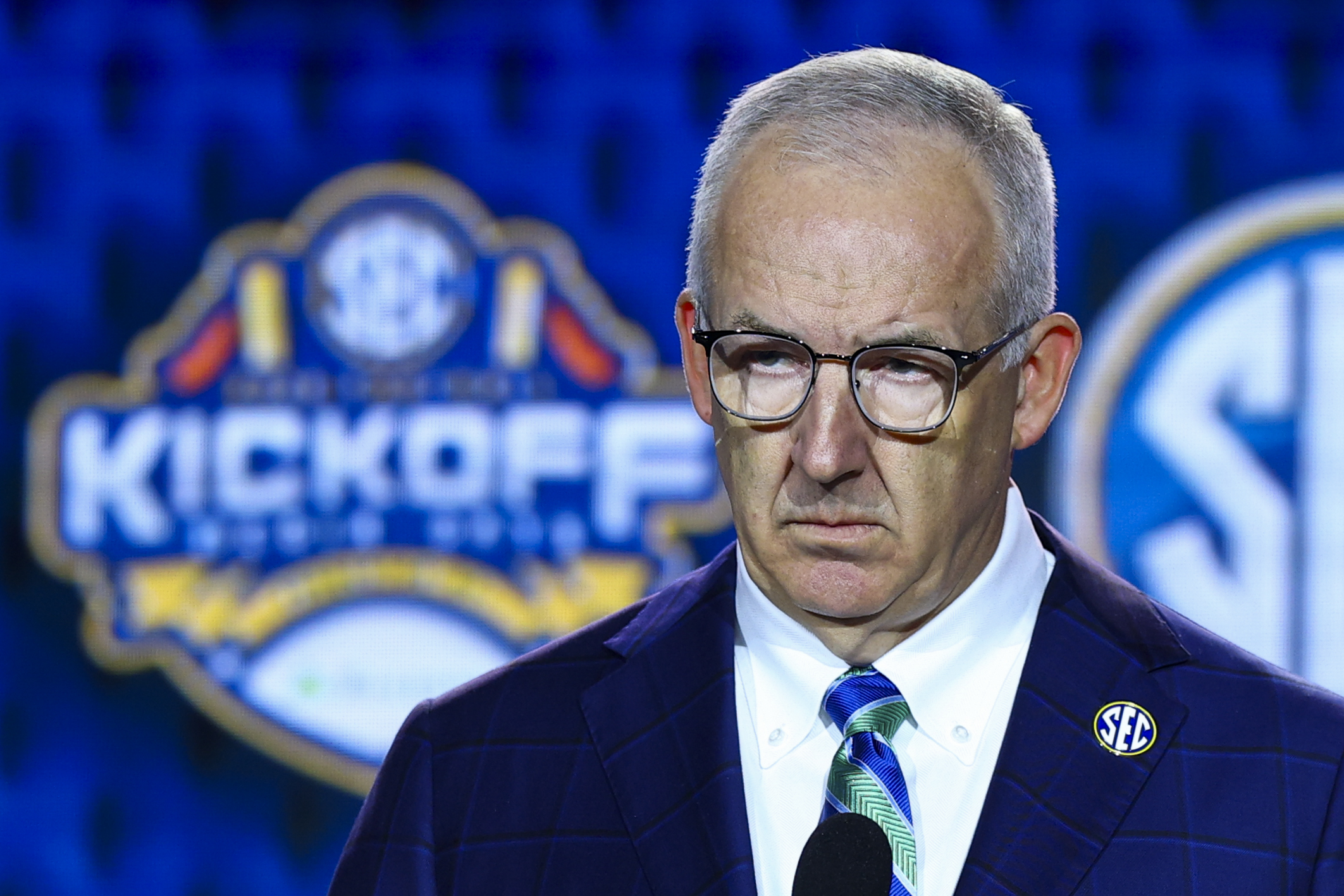
TAMPA, Fla. — The possibility of the SEC separating from the NCAA can no longer be dismissed as an empty threat designed to gain leverage.
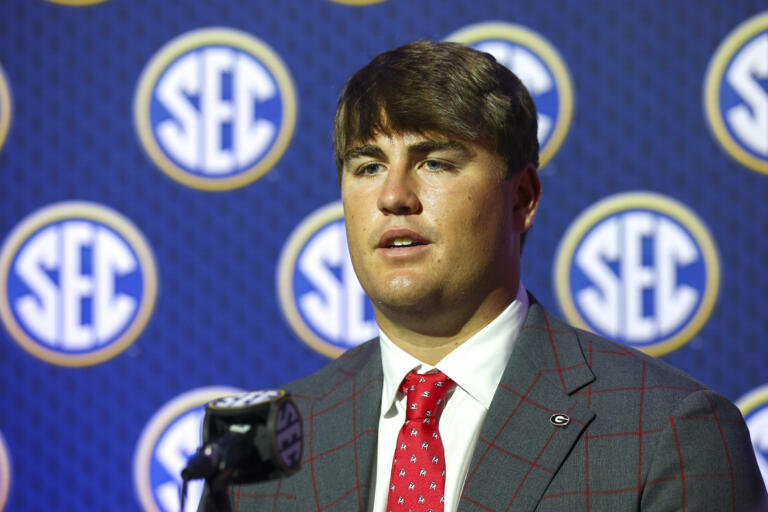
SEC Commissioner Greg Sankey acknowledged at the conference’s media days that league officials have held “honest conversations” about creating a separate structure if college athletics cannot establish workable national rules. Sankey stressed that the discussions are genuine and reflect mounting frustration inside the nation’s most powerful conference.
A breakaway does not appear imminent, and Sankey continues to favor a national solution. Still, his comments represent another warning that the SEC may eventually decide it has outgrown the NCAA’s current governing model.
The immediate dispute centers on the Protect College Sports Act, proposed federal legislation intended to create national standards for athlete compensation, transfers, health and safety protections, scholarships and agent regulation. The bill has advanced through a Senate committee and could have enough support to clear the full chamber.
The SEC and Big Ten, however, do not support the legislation in its present form. Their objections include provisions involving media-rights pooling, conflicting state laws and a private right of action that could allow athletes to bring additional civil lawsuits against schools or conferences. SEC officials have argued that the measure could create more legal exposure instead of providing the stability college sports desperately needs.
Sankey said the SEC wants enforceable national standards, transparency and equal treatment among similar organizations. His larger message was that Congress may have only one realistic opportunity to establish a durable national framework—and passing a flawed bill could make the situation worse.
That is where the breakaway discussion becomes significant.
The SEC possesses the schools, television audience, financial strength and football brands necessary to operate with far greater independence. A separate governing structure could allow the conference to establish its own eligibility requirements, recruiting regulations, enforcement procedures and athlete-compensation policies.
Georgia coach Kirby Smart has already said he would support the SEC playing under its own rules if the rest of college athletics cannot create a consistent national system. His comments reflect a broader belief within the conference that SEC schools should not remain restricted by regulations that are either unevenly enforced or undermined by different state laws.
Leaving the NCAA would still carry enormous risks. The SEC would need to resolve questions involving championships, scheduling, athlete eligibility and access to postseason events. A breakaway could also accelerate the division between wealthy football programs and smaller schools that depend on the NCAA’s shared structure.
But Sankey’s comments make one thing clear: The status quo is losing support.
For years, college sports leaders have warned that uncontrolled NIL rules, transfer disputes and repeated lawsuits could force a dramatic restructuring. The most powerful conference in the country is now openly discussing what that restructuring could look like without the NCAA.
The SEC would prefer Congress and college administrators to repair the existing system. Increasingly, however, it sounds prepared to build its own if those efforts fail.
Check Out All EasySportz College Football Content Here!
College Football Viewing Guide