HILTON HEAD ISLAND, S.C. — The RBC Heritage has built a reputation over more than five decades as one of the PGA Tour’s most distinctive stops — a post-Masters reset that trades Augusta’s grandeur for precision, patience and a uniquely coastal challenge at Harbour Town Golf Links.
First played in 1969, the tournament was born as the Heritage Golf Classic and has evolved into a signature April event that immediately follows The Masters. It has remained anchored at one venue throughout its history: Harbour Town Golf Links, a Pete Dye design with assistance from Jack Nicklaus that has become one of the most recognizable strategic courses in professional golf.
Harbour Town is not built for power. At just over 7,100 yards with a par 71 layout, it forces elite ball-striking, precision iron play and disciplined course management. Narrow fairways framed by oaks and pines, small greens and water lurking on key closing holes make it one of the most exacting tests on the PGA Tour.
It is also a course that rewards repeat success — and has produced a roll call of champions that reads like a Hall of Fame snapshot.
A history built on repeat winners and iconic moments
The inaugural champion in 1969 was Arnold Palmer, setting the tone for a tournament that would quickly become a favorite among elite players. Jack Nicklaus added his name to the list in the 1970s, while Davis Love III became the event’s defining figure with five victories, the most in tournament history.
Other multiple winners include Hale Irwin and Stewart Cink, each with three titles, underscoring how experience and comfort at Harbour Town often matter more than form alone.
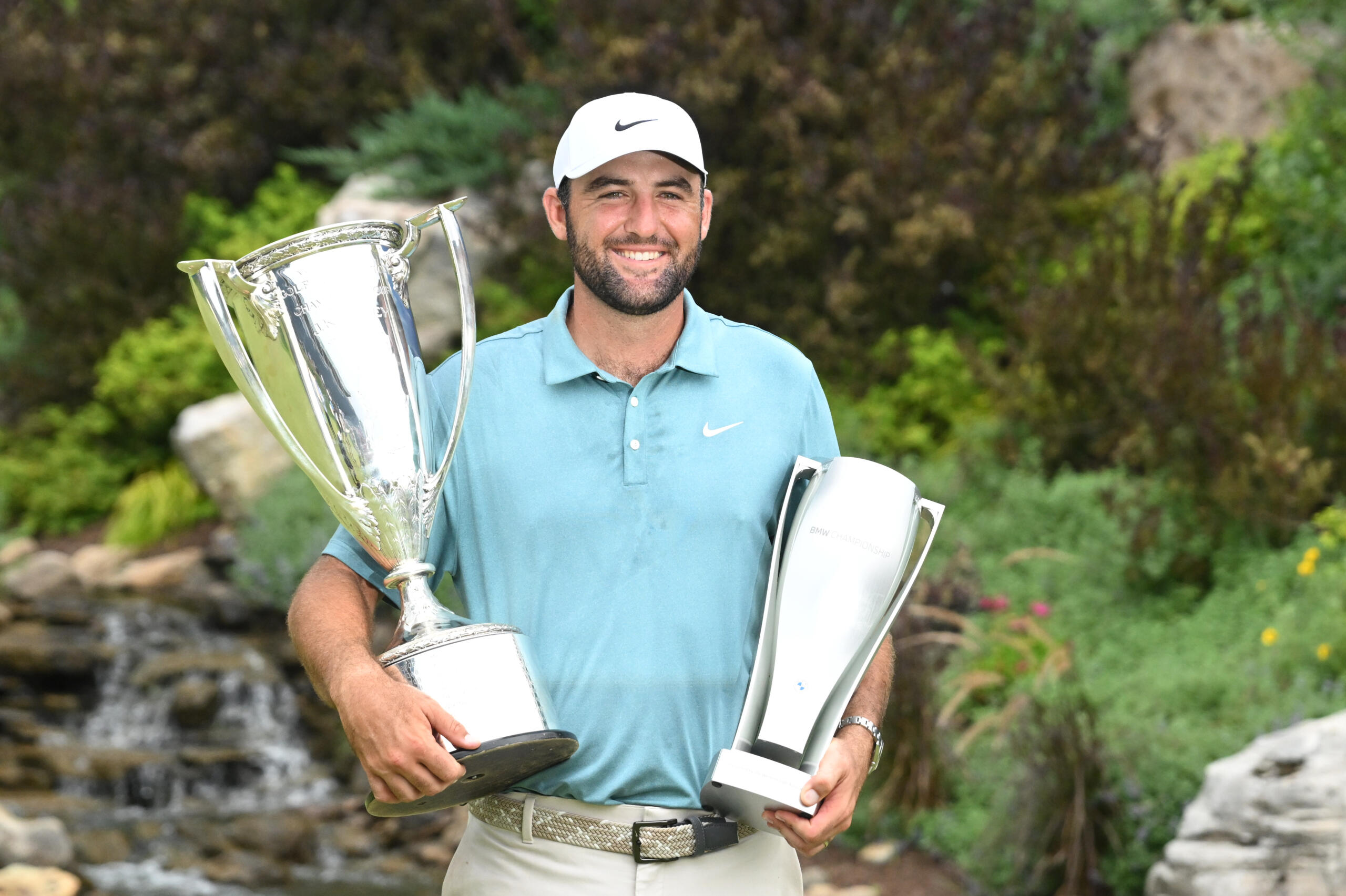
In recent years, the event has continued to deliver high-level champions. Scottie Scheffler, Jordan Spieth, Matt Fitzpatrick and Justin Thomas have all added their names to the winner’s list, reinforcing the tournament’s modern status as a star-driven, elite-field showcase held in the week after the season’s first major.
A signature post-Masters identity
Now positioned as a PGA Tour Signature Event, the RBC Heritage has elevated its status while maintaining its traditional identity: a quieter but equally demanding contrast to Augusta National.
The setting also plays a major role. Hilton Head Island delivers a coastal backdrop that is as much a part of the tournament identity as the golf itself. Fans line the course in large numbers, and the iconic lighthouse behind the 18th green has become one of the most recognizable visuals in the sport.
The event’s timing — immediately after The Masters — has only strengthened its reputation. Players arrive either riding momentum from Augusta or searching for a reset, creating unpredictable leaderboards and frequent late Sunday drama.
What makes it special
Unlike most modern PGA Tour venues built to reward distance, Harbour Town rewards decision-making. Players must think their way around every hole, shaping shots into tight landing areas and navigating greens that leave little room for error.
It is a course where a single misstep can turn into a bogey quickly, and where closing stretches routinely decide the championship.
That formula has produced a simple truth over time: the RBC Heritage does not always go to the longest hitter or the hottest putter — it goes to the most complete player that week.
And that is exactly why it has endured.
More than 50 years after its debut, the RBC Heritage remains one of golf’s purest examinations — a tournament where precision beats power, history matters, and Harbour Town quietly demands everything a player has left after Augusta.
Check out all EasySportz NHL Content Here
College Football Viewing Guide