
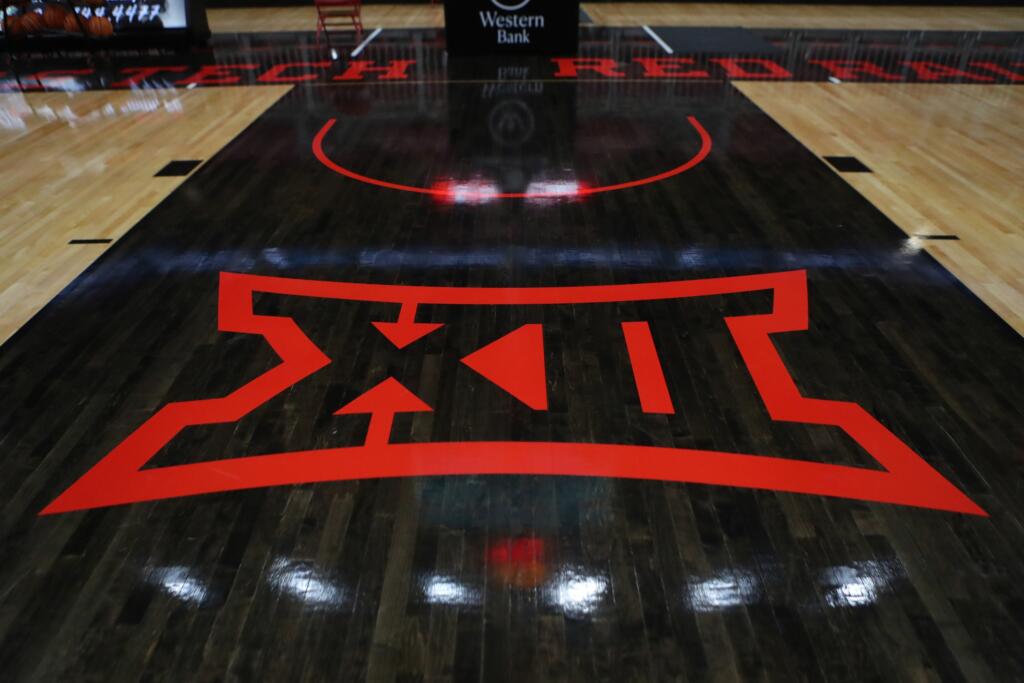
INDIANAPOLIS — College basketball has officially entered its annual January fever dream, a time when the “neutral site” wins of November feel like ancient history and the brutality of conference play begins to separate the contenders from the pretenders. Across the Power 4 landscape, the 2025-26 season has evolved into a strategic arms race where depth is the only currency that matters and the “cannibalism” of high-major schedules is reaching peak efficiency.
As we hit the midway point of the campaign, the hierarchy of the sport’s most powerful neighborhoods has shifted. While the preseason hype focused on the glitz of the SEC and the tradition of the ACC, the reality on the hardwood tells a story of Big 12 dominance and a Big Ten resurgence that few saw coming. The gap between the best conference and the fourth-best is as wide as a missed free throw in a rivalry game, yet each league offers a distinct brand of chaos.
Here is the definitive ranking of the Power 4 conferences in men’s college basketball.
1. Big 12 Conference
If college basketball conferences were weighted by the sheer amount of stress they induce in their coaching staffs, the Big 12 would be in a league of its own. It remains the undisputed gold standard of the sport, a 16-team gauntlet where every road trip feels like a visit to the dentist without the lidocaine.
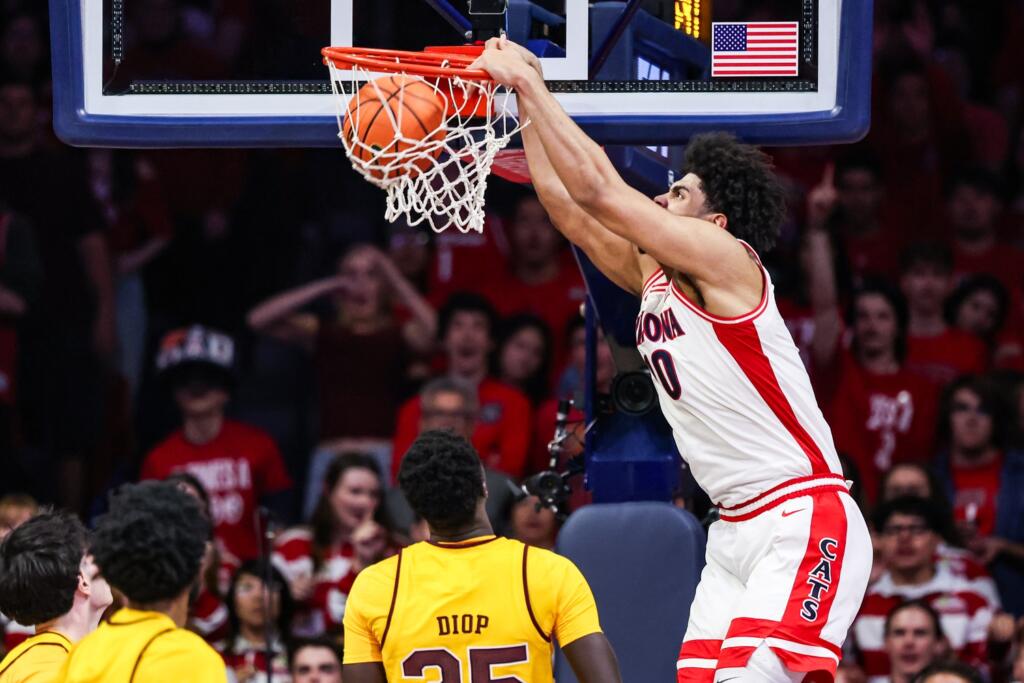
As of late January, the Big 12 boasts seven teams in the top 20 of the NET rankings and a collection of defensive metrics that would make a 1990s NBA coach weep with joy. The league’s strength is its terrifying ceiling. Arizona, currently sitting at 18-0 and ranked No. 1 in the nation, has seamlessly transitioned into the “Wild West” of the Big 12. Tommy Lloyd’s squad leads the country in adjusted offensive efficiency, but it is their 7-0 record in Quadrant 1 games that solidifies the conference’s top spot.
Supporting the Wildcats is a Houston program that continues to treat the basketball like a precious heirloom they refuse to let the opponent touch. The Cougars (17-1) lead the conference in scoring defense, holding opponents to a measly 58.4 points per game. When you consider that teams like Iowa State and BYU are routinely winning games by double digits against top-50 competition, it becomes clear that the Big 12 is the only conference where a .500 record might still earn you a top-four seed in the NCAA Tournament.
2. Big Ten Conference
The Big Ten has spent the last decade being the “bridesmaid” of March, but the 2025-26 version of the conference is playing with a chip on its shoulder the size of a Midwestern grain silo. This year, the league has traded its reputation for slow, plodding post play for a high-octane, parity-driven product that currently features two of the top five teams in the NET rankings.
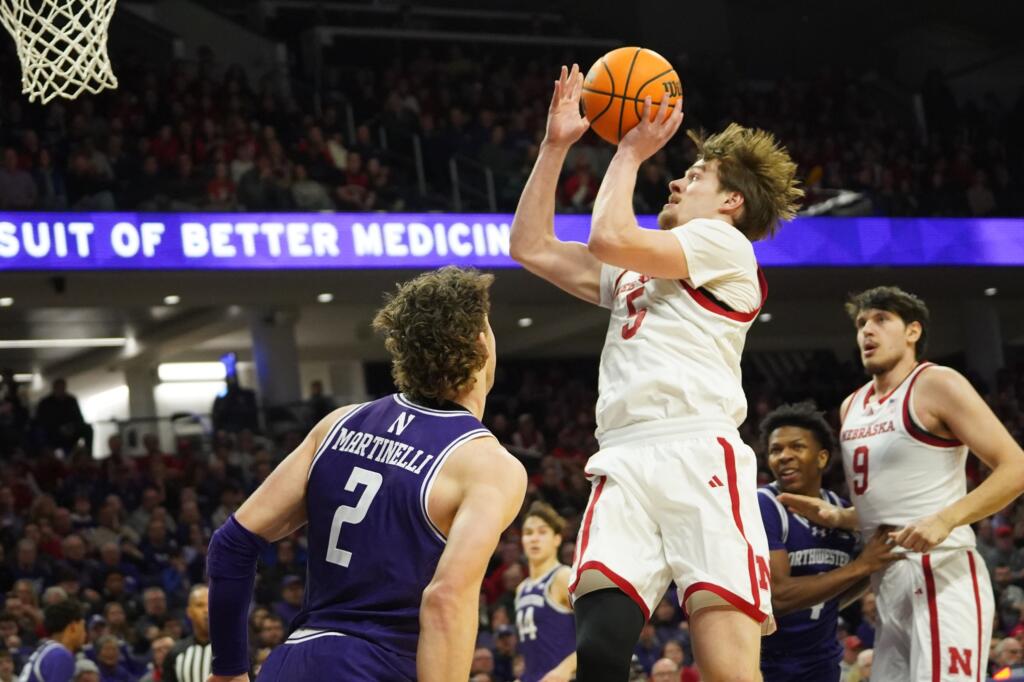
The biggest story in college basketball—and perhaps the most baffling to anyone who watched them five years ago—is the Nebraska Cornhuskers. Under Fred Hoiberg, the Huskers have sprinted to an 18-0 start and a No. 2 ranking in some polls. Nebraska isn’t just winning; they are doing it with a modern, positionless style that has them leading the Big Ten in three-pointers made.
Then there is Purdue. Despite losing legendary big man Zach Edey to the NBA last year, Matt Painter has reloaded with a backcourt-centric attack. Braden Smith is currently averaging a near-double-double in points and assists, keeping the Boilermakers (17-1) at the top of the conference standings alongside Nebraska. With Michigan and Michigan State both hovering in the top 15 of the NET, the Big Ten’s depth is finally matching its top-end talent.
3. SEC
The SEC is the most expensive neighborhood in college basketball, but sometimes the “curb appeal” is better than the actual plumbing. While the league is loaded with future NBA lottery picks and legendary coaches, the middle of the pack has been more inconsistent than a freshman’s jump shot.
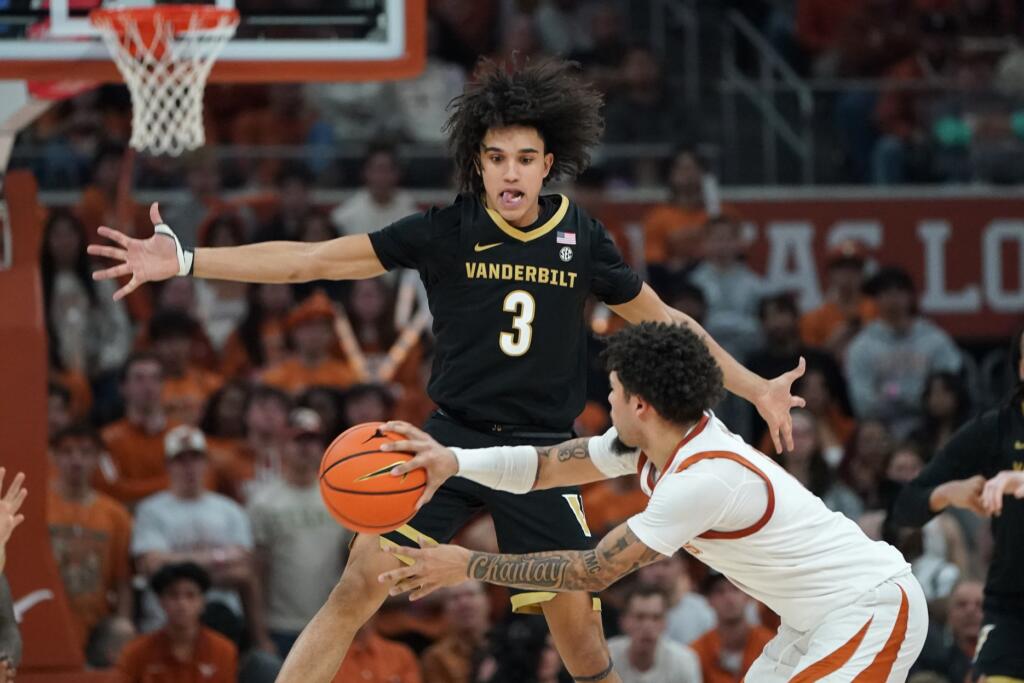
Vanderbilt has emerged as the league’s most pleasant surprise, standing at 16-2 with a high-flying offense that recently hung 96 points on Alabama. The Commodores have used a veteran-heavy roster to navigate a schedule that included wins over UCF and Saint Mary’s. They represent the “new” SEC—fast, athletic, and unafraid to launch from deep.
However, the league’s overall ranking suffers slightly from the “defending champion hangover” at Florida. While the Gators are still formidable and recently beat two ranked opponents in a single week, they have struggled with perimeter shooting, hovering around a 28% mark from three-point range. The SEC is undeniably the most athletic conference, and with teams like Arkansas and Alabama capable of beating anyone on a given night, the league will likely lead the country in total NCAA Tournament bids. But for now, the lack of a dominant, “unbeatable” team at the top keeps them just behind the Big Ten.
4. ACC
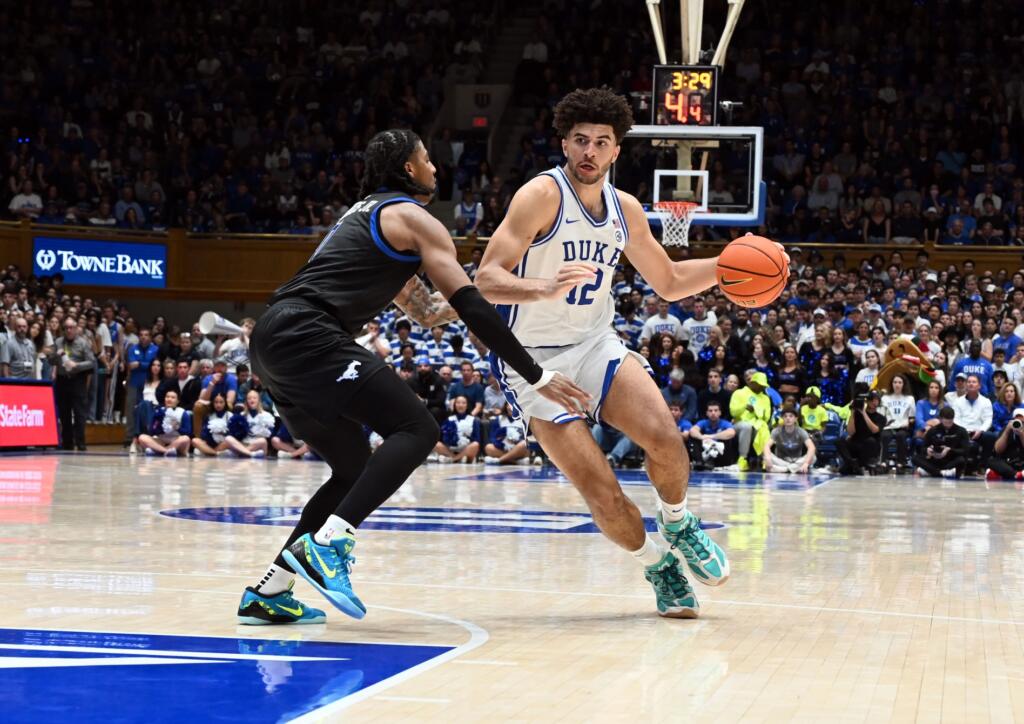
Ranking the ACC fourth feels like a sacrilege to the ghost of James Naismith, but the numbers don’t lie—even if they do occasionally exaggerate. The ACC has the most pronounced “haves and have-nots” problem in the Power 4.
At the top, Duke is a literal buzzsaw. The Blue Devils (17-1) lead the nation in scoring margin, beating opponents by an average of 20.4 points. They are efficient, disciplined, and possess a defense that allows just 65.1 points per game. Virginia also remains a defensive titan, holding a 16-2 record and sitting comfortably in the top 15 of the NET.
The issue for the ACC is the “basement.” While the Big 12 and Big Ten have almost no “bad” teams, the ACC features four programs with sub-100 NET rankings and losing records. When North Carolina—a perennial powerhouse—drops three straight road games to teams like California and Stanford, it signals a league where the middle class is struggling to keep up with the elites. The ACC will still produce a Final Four contender (likely Duke), but as a collective unit, it lacks the 1-through-16 punch found in the Big 12.
As the calendar turns toward February, these rankings will likely be thrown into the woodchipper of the postseason. The Big 12’s dominance is built on a foundation of elite metrics, but the Big Ten’s newfound explosiveness and the SEC’s raw athleticism ensure that the “Power 4” label is more than just a marketing gimmick. For the teams in the ACC, the mission is simple: stop losing to the bottom half of the league, or prepare for a very nervous Selection Sunday.
Ultimately, the 2025-26 season has proven that there are no “easy” nights in high-major basketball. Whether you are playing in a raucous arena in Lawrence, Kansas, or a freezing night in Lincoln, Nebraska, the margin for error is non-existent. The conferences have been ranked, but the true hierarchy will be decided by sixty-eight teams and three weeks of madness in March. Until then, grab the popcorn and enjoy the cannibalism.
