The Financial Mess in College Sports
College sports spending has spun completely out of control. TCU Athletic Director Mike Buddie wants to stop the madness. He says everyone from coaches to ADs needs a hard salary cap. Buddie believes this system must include student-athletes in the decision process. This isn’t just a small tweak. It is a massive shift for the entire industry.
Current numbers show the problem clearly. Top coaches now earn over $13 million a year. Some athletic directors in big conferences make more than $1 million annually. Buddie argues this gap creates an unstable environment for everyone involved. He wants limits to ensure fair competition across the board.
Buddie’s Proposal And The Legal Hurdles
Mike Buddie spoke about this during an interview with Front Office Sports. He stated that athletic directors should make a capped salary. He also said coaches should make a capped salary. Buddie insists student-athletes should be in the room helping make these decisions. This approach mirrors how professional sports leagues handle their finances.
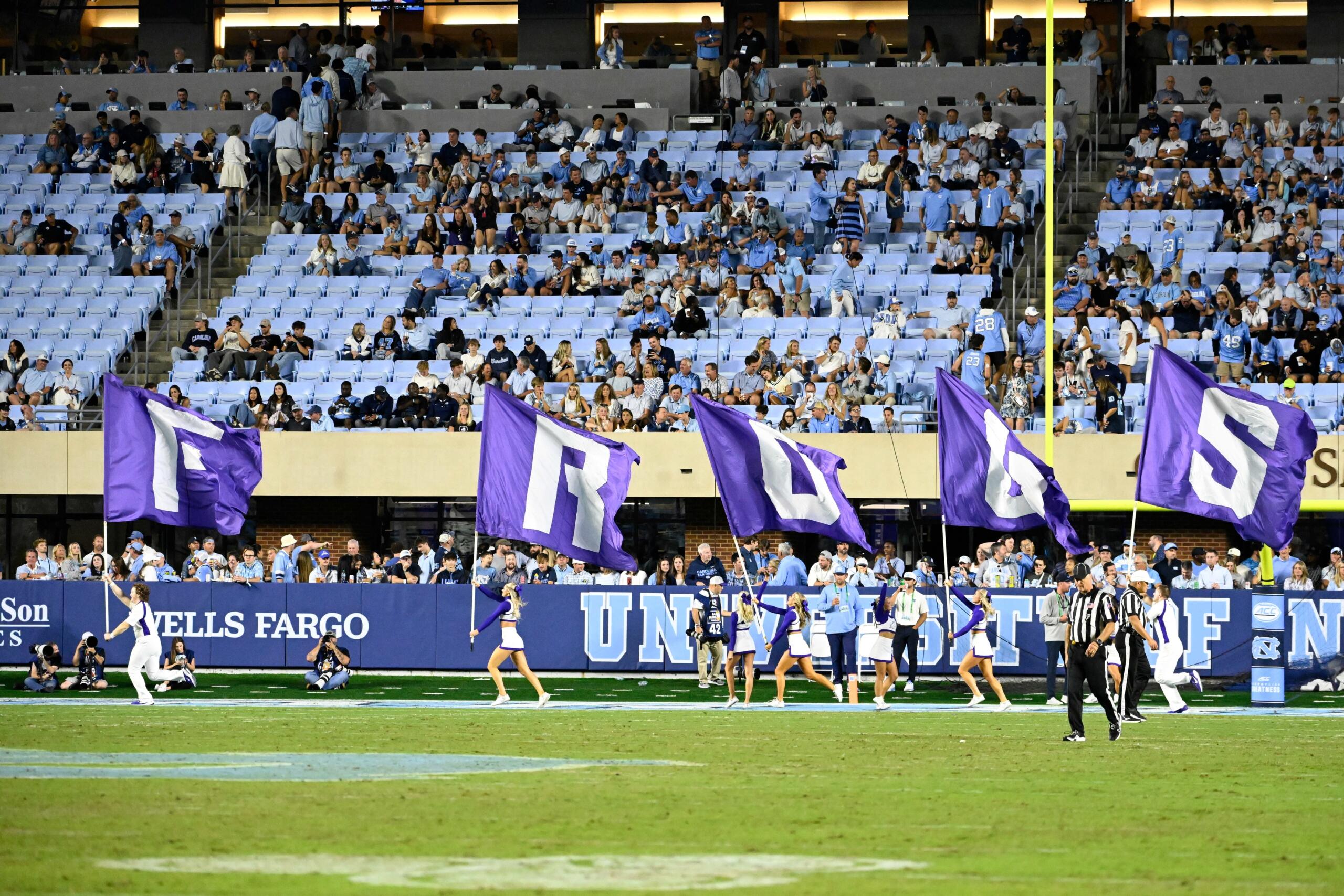
In college football, coaching salaries have ballooned out of control. Indiana’s Curt Cignetti, Georgia’s Kirby Smart, and LSU’s Lane Kiffin all earn more than $13 million per year. At TCU, football coach Sonny Dykes makes more than $7 million per year. He recently signed a multiyear contract extension. Buddie’s own salary isn’t public, but the trend is clear.
The idea of capping coaching salaries has been discussed for years. Lawmakers in Congress have even talked about the idea during hearings. In 2025, Rep. Michael Baumgartner introduced a bill to limit salaries for coaches. But Buddie knows there are serious legal hurdles to clear. A federal appeals court ruled in 1992 that caps violated antitrust laws. That case was known as Law v. NCAA.
Buddie sees one mechanism that could change that legal reality. He points to collective bargaining as the solution. As a former MLB pitcher, he knows how pro sports work. In the pros, salary caps are negotiated and policed by player unions. Unions agree to compensation restrictions with the league. Buddie believes this same model must apply to college sports.
Why This Plan Makes Sense Now
Buddie’s plan is the only way to save college sports. The current system burns money faster than it can be earned. Schools will keep paying more just to stay relevant. This creates a race to the bottom that no one wins. A cap forces schools to compete on coaching quality, not just wallet size.
The legal argument against caps is outdated. Professional leagues have caps because players and owners agree to them. College athletes are now the ones driving the revenue. They should have a say in their own compensation limits. Buddie understands this better than most because of his MLB background. He knows unions make these deals work every day.
Without a cap, schools will keep signing ridiculous contracts. We see buyouts that cost millions and drain resources. These funds could build facilities or support other sports. The focus has shifted entirely to the highest bidder. This hurts the long-term health of the NCAA.
What Fans Should Watch Next
Fans must watch how Congress handles the new bill. Rep. Baumgartner’s proposal could force the issue. If the law passes, schools will have no choice but to comply. The legal battle over antitrust laws will likely restart.
Look for other ADs to join Buddie in this fight. The pressure to control costs will grow. If players unionize, a real cap becomes possible. Until then, salaries will keep climbing until something breaks. This is the moment the industry must change.
Check out the latest articles from EasySportz
Check out the latest FIFA World Cup scores