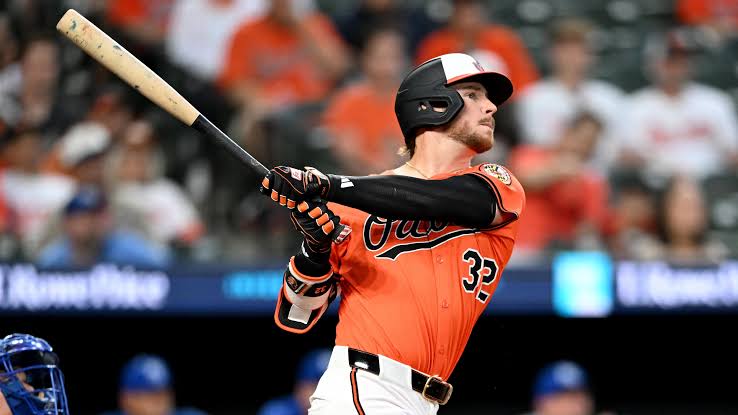
BALTIMORE — With the MLB Trade Deadline approaching, the Baltimore Orioles once again find themselves at a crossroads. A season that began with postseason expectations has been marked by inconsistency, injuries, and missed opportunities. Yet despite an underwhelming first half, Baltimore remains within striking distance of an American League Wild Card berth, making the decision far more complicated than simply buying or selling.
For president of baseball operations Mike Elias, the deadline represents more than an opportunity to improve the roster. It is a chance to determine the organization’s direction for the remainder of the season and beyond.
The Case for Buying
The American League playoff race remains unusually crowded. Several teams hovering around .500 are still within reach of a postseason spot, meaning a strong stretch over the next few weeks could quickly change the standings.
Baltimore also possesses one of baseball’s most talented young cores. Players such as Gunnar Henderson, Adley Rutschman, Jordan Westburg, Colton Cowser and Jackson Holliday provide the foundation of a team capable of competing now and in the future. Abandoning the season while those players continue to develop would send a difficult message to both the clubhouse and the fan base.
General manager Mike Elias has also publicly indicated the organization intends to improve the club rather than dismantle it, despite outside speculation that veterans could be moved before the deadline.
If Baltimore chooses to buy, the focus should be on controllable talent rather than short-term rentals. Starting pitching remains the club’s biggest need, while another late-inning reliever would strengthen a bullpen that has struggled to consistently protect leads. Adding another right-handed bat capable of producing against left-handed pitching could also improve an offense that has been streaky throughout the season.
The Case for Selling
The Orioles must also be realistic.
While the talent remains undeniable, Baltimore has spent much of the season below .500 and has struggled to find sustained momentum. A brief hot streak could place them back in the playoff conversation, but another losing stretch may leave them too far behind to justify sacrificing future assets.
Several veterans could attract significant interest if the Orioles decide that selling is the wiser option. Players nearing free agency could return prospects that strengthen the organization’s long-term outlook instead of risking losing them for minimal compensation after the season.
The front office also has experience making difficult deadline decisions. In previous seasons, Elias prioritized long-term organizational success over chasing an unlikely postseason appearance. That philosophy helped build the current core and remains a viable option if the standings deteriorate before the deadline.
A Hybrid Approach Makes the Most Sense
Rather than committing fully to buying or selling, Baltimore should pursue a hybrid strategy.
The Orioles should move expiring contracts that are unlikely to remain with the organization while targeting players who are under team control beyond this season. Such an approach allows the club to remain competitive in 2026 while continuing to strengthen the roster for future postseason runs.
This strategy has become increasingly common around Major League Baseball as expanded playoff races keep more teams in contention deeper into the season. Teams no longer have to choose between going “all in” or rebuilding entirely.
The Verdict
The Orioles should be cautious buyers.
Unless Baltimore falls completely out of the playoff race over the coming weeks, selling off major contributors would waste an opportunity to compete with one of baseball’s youngest and most talented rosters. However, the organization also cannot afford to sacrifice top prospects for players who may only spend two months in Baltimore.
If Elias can add controllable pitching without depleting the farm system, the Orioles should seize the opportunity. The window to compete remains open, but smart, measured additions—not blockbuster deals—offer the best path forward.
For a franchise looking to establish sustained success rather than one postseason appearance, patience and calculated aggression may ultimately prove to be the winning formula.