The Argentina controversy machine is back.
For the second straight World Cup, fans are asking why Lionel Messi and Argentina seem to get away with moments that other teams probably would not.
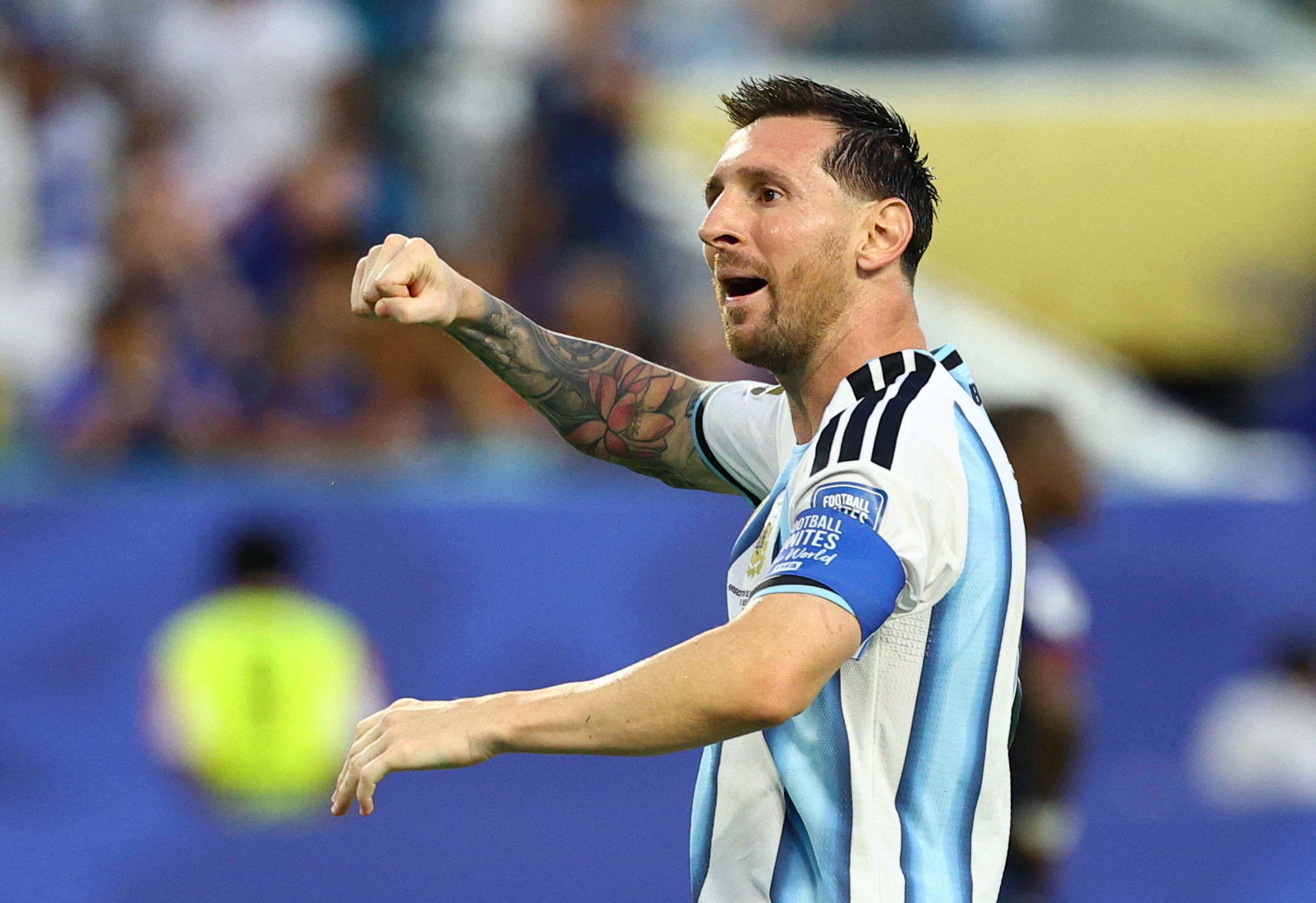
It started in 2022, when Messi blatantly handled the ball against the Netherlands in the quarterfinal and somehow escaped a yellow card. That same tournament, Argentina were awarded five penalties — the most ever for a team in a single World Cup — with Messi taking all of them.
Now in 2026, the debate has only grown louder.
Messi avoided punishment after catching an Algerian player in the Achilles with his studs, a challenge many fans believed should have been reviewed as a possible red card. Then came Argentina’s 3-2 extra-time win over Cape Verde, where the underdogs pushed the defending champions to the limit while supporters online complained that too many borderline calls went Argentina’s way. Reuters described it as a match where Argentina were “made to suffer,” but the controversy around the officiating did not disappear after the final whistle.
The bigger frustration is the pattern.
Argentina also landed a favorable group and now sits on a side of the bracket that avoids several giants, including France, Spain, Portugal and Morocco, at least until much later. For a defending champion led by Messi, that is the kind of path rival fans were always going to question.
Maybe it is not corruption. Maybe it is just football. Big teams get calls. Superstars get protection. Close decisions always look worse when they help the same country over and over again.
But that is exactly the problem.
When Messi escapes cards, Argentina racks up penalties, and smaller teams feel like they are playing both the opponent and the whistle, FIFA creates the perception that the World Cup is not being officiated equally.
Argentina may still be brilliant. Messi may still be historic.
But the controversy around them is becoming impossible to ignore.
Check out all EasySportz Soccer Content Here
View the World Cup Standings Here