—
The Injunction That Could Change Everything
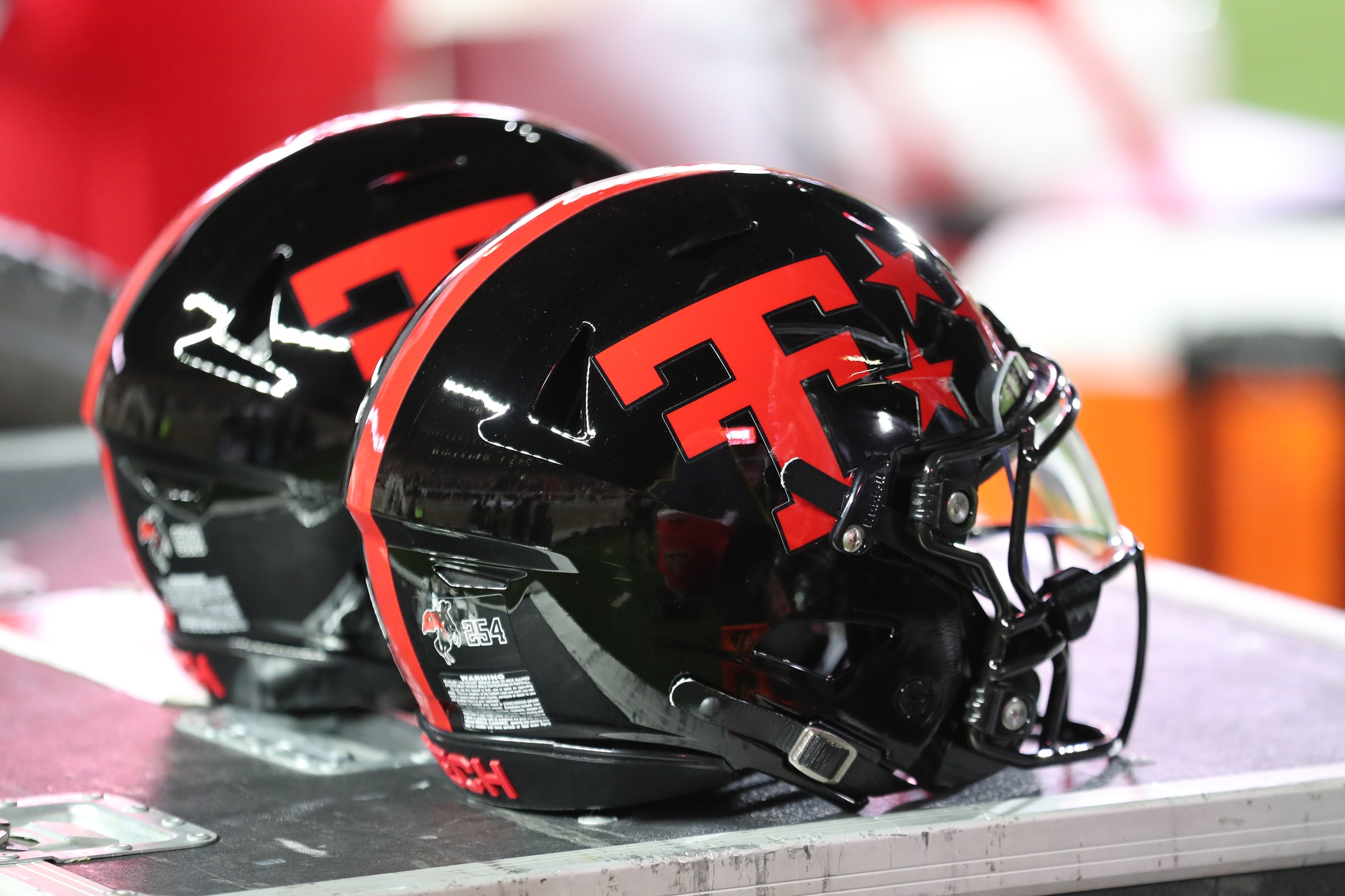
Brendan Sorsby isn’t just a quarterback. He’s a symbol — of risk, of reputation, of the thin line between loyalty and betrayal. And now, his future in college football is being decided not by a game, but by a courtroom. A federal judge is set to rule on whether Sorsby can regain his NCAA eligibility after placing more than 40 bets on Indiana’s quarterback — yes, the same Indiana team he was supposed to be leading Texas Tech against.
According to ESPN, the report surfaced that Sorsby placed those wagers during the 2024 season, while still under NCAA eligibility. That’s not a side bet. That’s a direct violation of the league’s core integrity rules. And the fallout? It’s not just about one player. It’s about how the system handles athletes who cross the line — especially when they’re high-profile, high-potential players.
Here’s the kicker: Sorsby didn’t just bet on Indiana. He bet on the Hoosiers’ QB — the very player he was supposed to be preparing to face. That’s not gambling. That’s a calculated risk — and it’s the kind of move that could have derailed a season. The defense? That he didn’t know the game was on. That he was “just checking the line.” But the numbers don’t lie. Per CBS Sports, Sorsby placed 40-plus bets — not one, not two, but over four dozen. That’s not a mistake. That’s a pattern.
What This Means for Texas Tech — and the Big 12
You don’t have to be a fan of Texas Tech to feel the weight of this. The Big 12 is a league built on identity, on toughness, on the kind of players who don’t look away when the pressure mounts. But Sorsby’s case isn’t about pressure — it’s about choice. And that choice now forces a reckoning.
According to The Athletic, the Big 12’s head coaches unanimously backed a 24-team College Football Playoff. They’re not just talking about expansion — they’re talking about structure. And in that structure, players like Sorsby don’t just represent a risk to their team — they represent a risk to the entire brand of college football. The league’s integrity isn’t just about wins and losses. It’s about trust. And when a quarterback bets on his opponent — even if it’s not on the field — that trust gets frayed.
Brent Venables, head coach of Oklahoma, made a quiet but powerful statement: “You can’t have a game that’s supposed to be about competition, and then have someone inside it betting on the outcome.” That’s not a quote from a press conference. It’s not a soundbite. It’s a direct challenge to the culture of gambling in college sports. And it’s coming from one of the most respected voices in the conference.
Look, we’ve seen players get suspended for lesser infractions. We’ve seen coaches lose jobs over one bad decision. But Sorsby’s case is different. He wasn’t caught with a phone. He wasn’t caught in a locker room. He was caught in the data. And that’s what makes this so dangerous — because it’s not just about one player. It’s about the system that allows it to happen.
What’s Next? The Judge’s Decision Could Set a Precedent
The real test isn’t whether Sorsby gets his eligibility back. It’s whether the NCAA will hold him to the standard it claims to uphold. Because if he wins this injunction — if the court agrees that he’s been unfairly treated — then it opens the door for every athlete who’s ever placed a bet to challenge their suspension.
But here’s the truth: the burden of proof is on Sorsby. He’s not just asking for a second chance. He’s asking for a full reinstatement — with no restrictions, no monitoring, no probation. That’s not a plea for redemption. That’s a demand for reset.
And that’s where the stakes get real. According to CBS Sports, the judge’s decision will hinge on whether Sorsby can prove he didn’t violate NCAA rules “in a knowing, intentional, or reckless manner.” That’s a high bar. But it’s not impossible. If he can show he didn’t understand the rules — or that he was misled — then the court might side with him.
But let’s be real: this isn’t just about rules. It’s about perception. You can’t win back trust with a court order. You win it with time. With consistency. With performance. And Sorsby hasn’t shown any of that yet. He’s been quiet. He’s been off the radar. And that’s the problem.
The Bigger Picture: College Football’s Gambling Crisis
Let’s not pretend this is an isolated incident. The NFL has made billions off sports betting. The NCAA is still trying to figure out how to say no. And in that gray area, players like Sorsby are getting caught in the middle.
According to ESPN, over 45% of legal sports bets in the U.S. are now placed on college football games. That’s not a statistic — that’s a crisis. When the game is no longer just about winning, but about who wins, who loses, who’s on the board — then the game itself is in danger.
And Sorsby isn’t the first. Not even close. But he might be the most visible. The fact that he was a quarterback — a leader, a captain — makes this more than just a betting scandal. It’s a leadership failure. It’s a failure of judgment. And if the court lets him back in, it sends a message: if you’re good enough, you can break the rules and still come back.
Check out the latest posts from EasySportz here
Check out EasySportz on Newsbreak
But that’s not how it should be. Not in college football. Not in the Big 12. Not in any conference where pride still matters more than profit.
Final Word: This Isn’t About Sorsby — It’s About the System
You don’t have to like Sorsby. You don’t have to root for him. But you do have to understand what’s at stake. This isn’t just about one player. It’s about whether college football can survive the gambling revolution.
When I was a kid, I watched games on a black-and-white TV. I didn’t know the odds. I didn’t know the lines. I just knew who I wanted to win. That’s the game. That’s the heart of it. But now? Now we’re watching players bet on their own opponents. That’s not sport. That’s not competition. That’s not football.
And if the judge says yes — if Sorsby gets his eligibility back — then the league has to ask itself: what kind of future are we building? Are we building a game that rewards integrity? Or are we building one that rewards silence?
One thing’s for sure: the Big 12 can’t afford another scandal. Not after what we’ve seen. Not after what’s already happened. If Sorsby comes back, it better be on a clean slate — with a real plan, real accountability, and real consequences. Or else the whole system collapses.
Because this isn’t about one quarterback. It’s about every player who’s ever looked at a line and thought, “What if?”
—
Key Takeaways
- profile athletes.
- team playoff highlights growing pressure on conferences to enforce accountability in the era of legalized sports betting.
Frequently Asked Questions
What is the current status of Brendan Sorsby’s NCAA eligibility?
Sorsby is currently suspended from NCAA competition due to a gambling investigation. His eligibility is pending a court ruling on an injunction to restore it. The decision will determine whether he can return to play for Texas Tech.
How many bets did Sorsby place on Indiana’s quarterback?
According to CBS Sports, Sorsby placed more than 40 bets on Indiana’s quarterback during the 2024 season. The reports detail a pattern of repeated wagers, raising concerns about intentional violations of NCAA gambling rules.
What does the Big 12’s stance on playoff expansion mean for player conduct policies?
The Big 12’s unanimous support for a 24-team College Football Playoff underscores a growing emphasis on structure and accountability. With increased exposure and betting volume, the conference is under pressure to enforce stricter conduct policies — especially for high-profile athletes like Sorsby.