Legendary former Alabama head coach Nick Saban is once again making headlines—this time not for football, but for his comments on the future of college athletics.
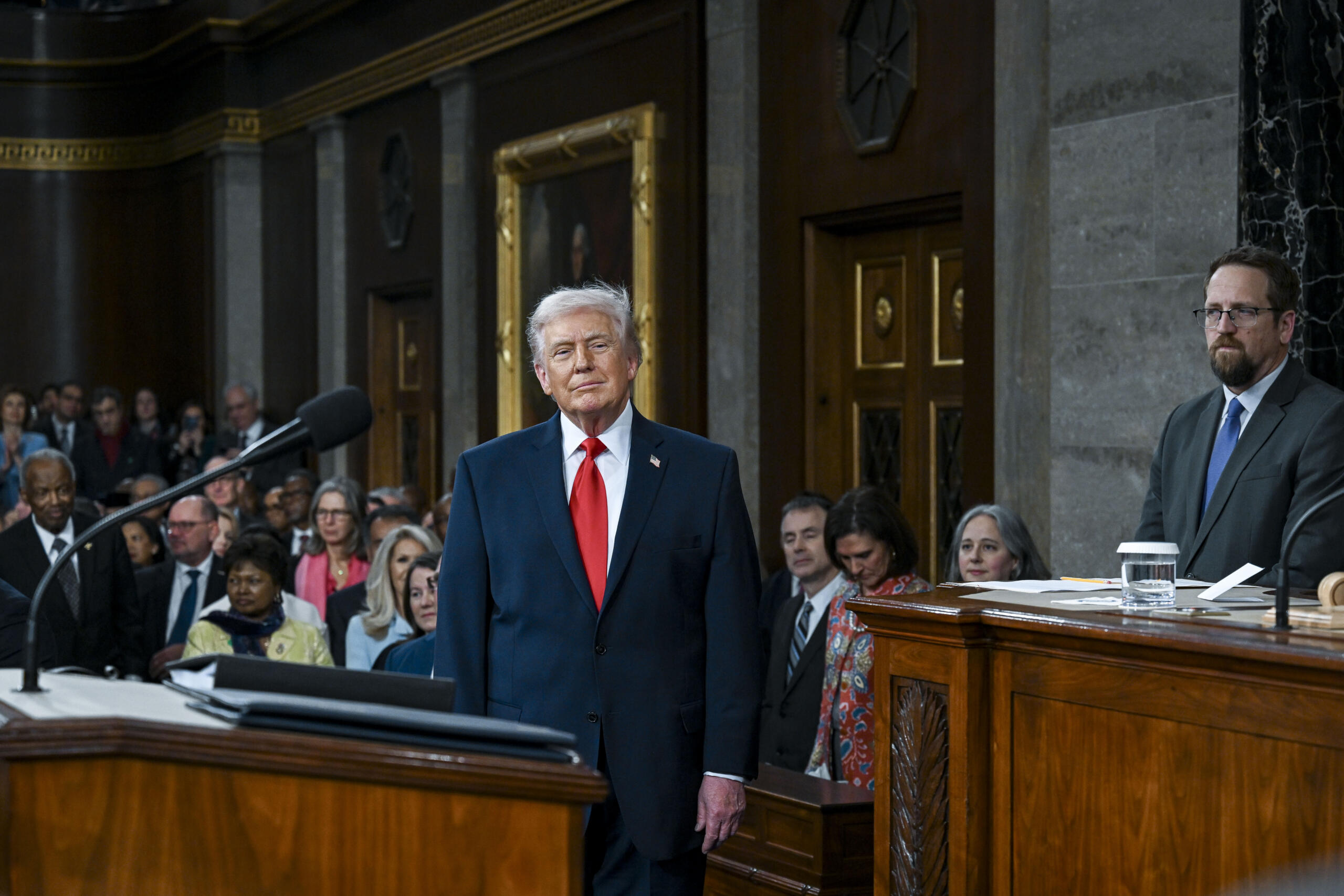
During a recent appearance, Saban publicly praised Donald Trump and his administration’s efforts to address the rapidly changing landscape of college sports, particularly around NIL (name, image, and likeness) and player compensation.
Saban Speaks on College Sports Changes
Saban has long been vocal about the direction of college athletics, especially as NIL deals and the transfer portal have reshaped the game. Now, he’s backing federal involvement as a way to restore structure.
He specifically pointed to Trump’s recent executive action aimed at regulating college sports, saying leadership at the national level could help bring stability back to the system.
For Saban, the issue isn’t about stopping player compensation—it’s about creating consistency and fairness across programs.
A Push for Structure in the NIL Era
The current college sports landscape has become increasingly unpredictable. With massive NIL deals, constant transfers, and uneven rules across states, many coaches—including Saban—have raised concerns about long-term sustainability.
Saban has repeatedly emphasized that without clear guidelines, the system risks becoming purely transactional. His support of federal oversight reflects a belief that college athletics needs guardrails to maintain competitive balance.
Why Saban’s Voice Matters
Few figures in college football carry as much weight as Saban.
With seven national championships and decades of dominance at Alabama, his perspective isn’t just respected—it often shapes the conversation. His willingness to support political involvement signals just how serious the concerns around college sports have become.
And it also shows how much the game has changed.
A Broader Conversation Across Sports
Saban’s comments are part of a growing national discussion. Coaches, administrators, and even players are all trying to navigate a system that has evolved faster than its rules.
Trump’s involvement—through executive action and proposed reforms—has added another layer to that conversation, bringing politics directly into the future of college athletics.
Final Takeaway
Nick Saban isn’t just reacting to change—he’s calling for direction.
By backing federal leadership in college sports, he’s making it clear that the current system needs structure, consistency, and long-term vision.
Because right now, college athletics isn’t just evolving.
It’s being rewritten.
Check Out All EasySportz College Football Content Here!
College Football Viewing Guide