LIV Golf is once again at the center of controversy—but this time, the concern isn’t just about competition with the PGA Tour. It’s about survival, and even Donald Trump’s name is now being pulled into the conversation.
A wave of reports and rumors has cast serious doubt over the future of the Saudi-backed league, suggesting that its primary financial supporter, the Public Investment Fund (PIF), may be reassessing its long-term commitment. After billions poured into LIV Golf since 2022, questions are growing about whether the league’s aggressive spending model can actually last.
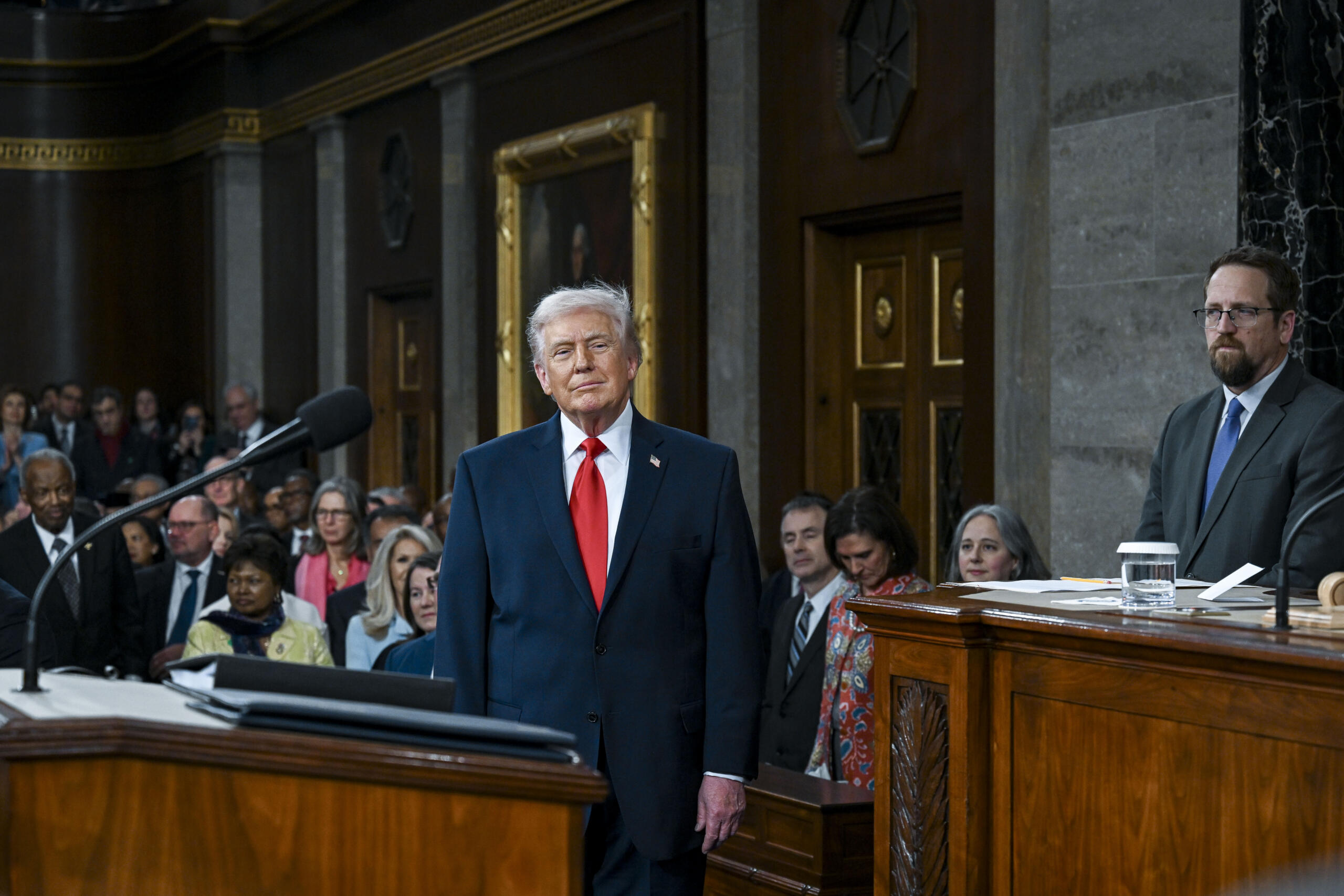
Trump, who has been closely tied to LIV Golf through multiple events hosted at his courses, has become an indirect focal point in the broader discussion. His relationship with the league has helped elevate its visibility in the United States, but it also connects him to a project now facing increasing scrutiny and uncertainty.
At the core of the issue is sustainability.
LIV Golf has spent heavily to attract top players, offering massive signing bonuses and record-setting purses. However, despite the star power, the league has struggled to generate consistent television ratings and long-term revenue streams. That disconnect between spending and return is now raising red flags.
Recent reports of high-level meetings among LIV executives have only intensified speculation. Some believe the league could undergo major restructuring, while others fear a more drastic outcome if financial backing begins to weaken.
LIV officials have publicly denied any immediate concerns, maintaining that the 2026 season will move forward as planned. But even with those assurances, the uncertainty surrounding funding and long-term strategy continues to loom large.
The timing adds even more weight to the situation.
With ongoing talks of a potential merger between LIV Golf and the PGA Tour still unresolved, any instability within LIV could dramatically shift the balance of power in professional golf. A weakened LIV would not only impact players and tournaments, but also reshape the future of the sport itself.
There are already signs of potential ripple effects.
Some players have faced criticism for their performance in major tournaments, while others are rumored to be reconsidering their long-term commitments. If confidence in the league starts to fade, retaining top talent could become increasingly difficult.
Still, LIV Golf is not finished—at least not yet.
Funding is reportedly still in place, and the league continues to operate at full scale heading into the 2026 season. But the questions surrounding its future are louder than ever.
What started as a bold disruption of the golf world now faces its biggest test. And with Donald Trump’s name tied into the league’s rise in the U.S., the stakes feel even higher as uncertainty continues to build.
The next chapter for LIV Golf could define not just the league—but the future direction of the entire sport.
Check Out All EasySportz MLB Content Here
College Football Viewing Guide