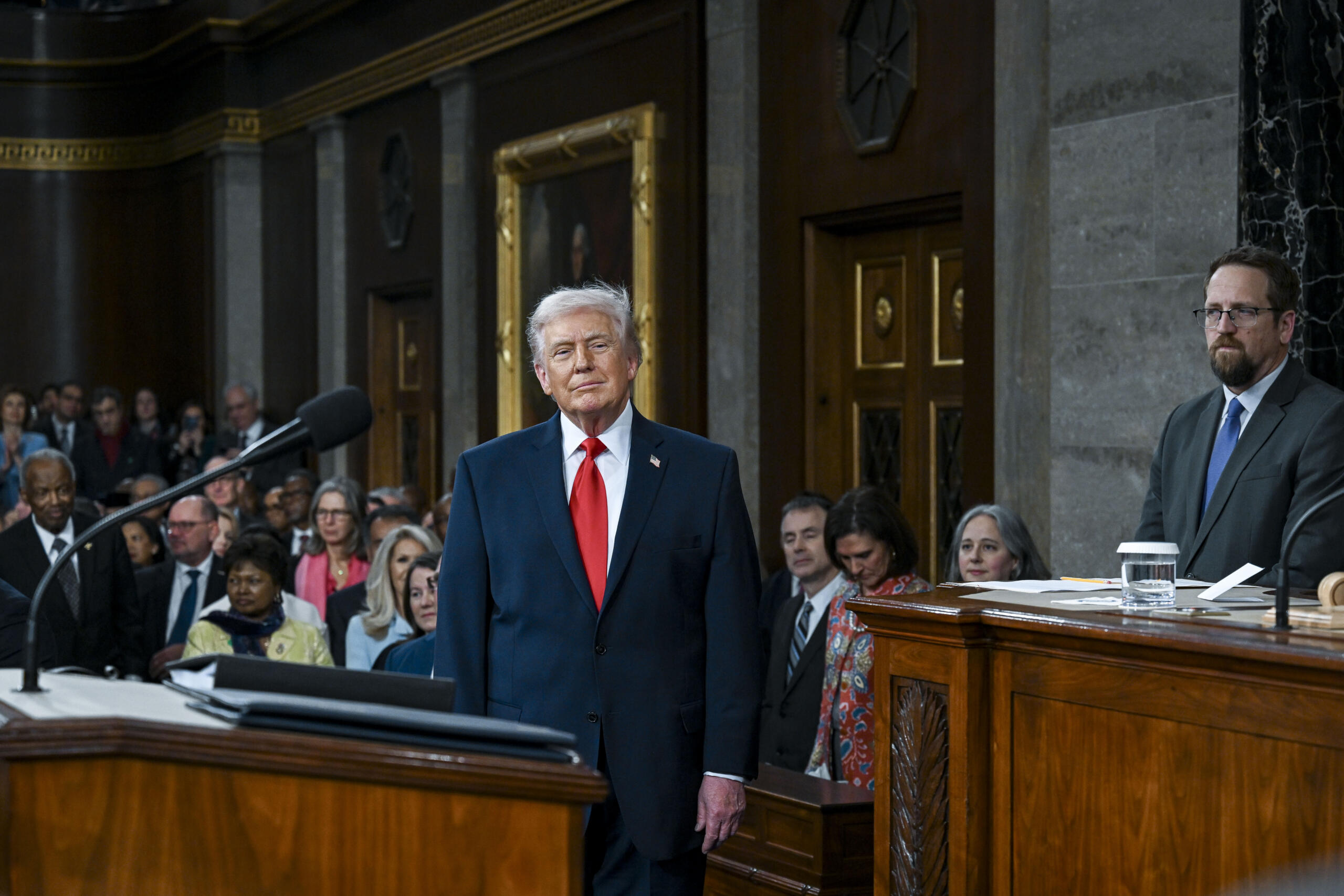
In a time when college football feels more like free agency than tradition, Donald Trump has stepped in with a move that could completely reshape the sport’s future.
Earlier this week, Trump signed a sweeping executive order aimed at fixing what many believe has become a chaotic system in college athletics—particularly in football. At the center of it all? A hard reset on player movement, eligibility, and money.
The Rule That Changes Everything
The biggest headline: a proposed “5-year, 1-transfer” model.
Under the order:
- Players would be limited to five years of total eligibility
- Athletes could transfer only once freely without penalty
- Additional transfers would come with restrictions or consequences
In today’s era—where players can transfer multiple times and chase NIL deals across programs—this is a massive shift. The goal? Restore structure to a system that many coaches and fans say has spiraled out of control.
Why Trump Says College Football Needed Saving
The modern college football landscape has been flipped upside down by two things:
- The Transfer Portal Explosion
Players have been allowed essentially unlimited transfers since recent NCAA changes, turning rosters into revolving doors. - NIL Chaos
Athletes are now earning millions through Name, Image, and Likeness deals, often tied to booster-backed collectives with little regulation.
Trump’s administration argues that this combination has:
- Created competitive imbalance
- Hurt smaller programs
- Put non-revenue sports at risk financially
His executive order specifically calls for:
- Limiting “pay-for-play” style NIL deals
- Protecting women’s and Olympic sports funding
- Stabilizing the financial structure of college athletics
A Direct Shot at the Current System
Let’s be real—this is a direct attempt to bring college football back to something closer to its old model.
No more:
- Players hopping schools every offseason
- Teams rebuilding entirely through the portal
- Massive NIL bidding wars for recruits
Instead, the vision is:
- More roster continuity
- More program identity
- More competitive balance
For fans of traditional college football, it sounds like a dream.
But Here’s the Catch…
It’s not that simple.
This executive order is expected to face major legal challenges, especially since courts have already ruled in favor of athlete rights regarding compensation and movement .
There’s also a bigger question:
Can the federal government actually control a system run by the NCAA and shaped by court rulings?
Even Trump himself acknowledged lawsuits are coming.
What This Means for College Football
If this holds up, college football could look VERY different:
- Programs like Georgia, Alabama, and Ohio State would benefit from stability over chaos
- Mid-tier schools could regain footing without constantly losing players
- Recruiting could shift back toward development over bidding wars
But if it fails?
The sport continues down its current path:
- More movement
- More money
- Less structure
Final Take
Love him or hate him, Trump just inserted himself into the biggest issue in college football—and didn’t hold back.
This isn’t a small tweak.
This is an attempt to completely reset the sport.
Whether it actually “saves” college football… or just sparks more chaos?
That’s the game we’re about to watch unfold.
Check Out All EasySportz College Football Content Here!
College Football Viewing Guide