The wait is over. The field is locked. And now, the 2026 FIFA World Cup just got real.
With qualifying playoffs officially wrapped up, all 48 teams are set—and the group stage is loaded with storylines, powerhouse clashes, and potential chaos from top to bottom.
This isn’t the World Cup you’re used to.
A New Era Begins
For the first time ever, the 2026 FIFA World Cup will feature 48 teams and 104 matches, expanding the global stage like never before.
Instead of the traditional format, we now have 12 groups of four, with:
- Top 2 teams advancing
- Plus the 8 best third-place teams
That means more games, more drama… and way less room for error.
Groups Loaded With Storylines
From the jump, several groups stand out—and not in a good way for some contenders.
- Group C looks like a nightmare draw, with Brazil and Morocco headlining a group that could easily produce an upset.
- Group D features the United States facing tricky opponents like Paraguay and Türkiye—no easy path for the hosts.
- Group G includes Belgium, Iran, and Egypt—three teams capable of grinding out results.
But the real tension? It’s not just about the groups—it’s about who’s coming in hot.
Spain, France, and England Lead the Pack
According to recent power rankings, Spain enters as one of the top favorites heading into the tournament, with a perfect blend of youth, depth, and elite midfield control.
Right behind them? The usual suspects:
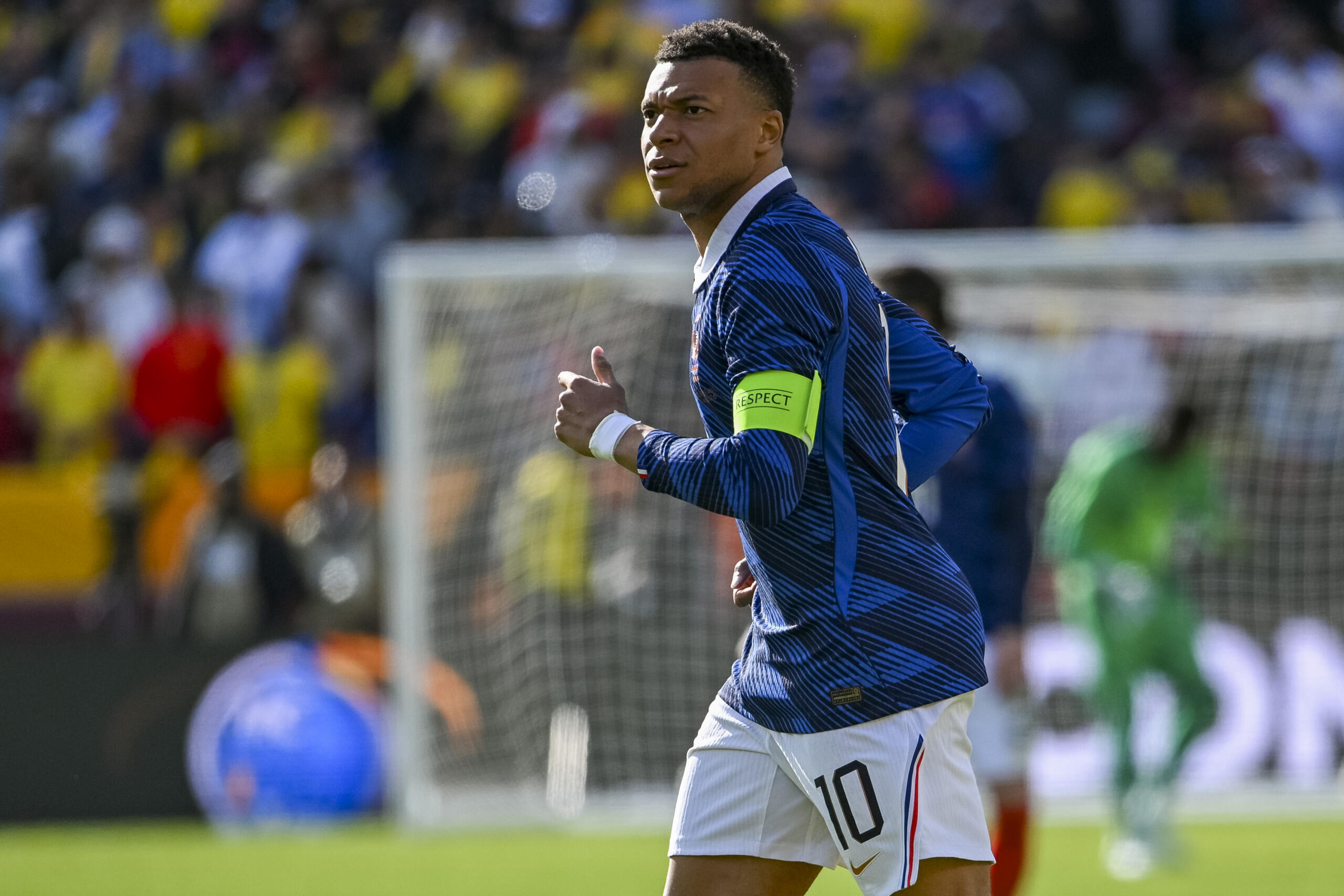
- France — still stacked with world-class talent and experience
- England — loaded offensively and desperate to finally break through
- Argentina — always dangerous, especially in tournament settings
- Germany — quietly rebuilding into a serious contender again
And don’t forget Brazil—because when it comes to World Cups, they’re never out of the picture.
Why This Tournament Will Be Different
The expanded format changes everything.
More teams means:
- More chances for underdog runs
- More fatigue for top teams
- More unpredictable knockout paths
One bad match doesn’t necessarily eliminate you anymore—but it can completely reshape your route to the final.
And with 104 matches, depth and rotation will matter more than ever.
The Biggest Question: Who Survives the Chaos?
This isn’t just about talent anymore—it’s about consistency.
Teams like Spain and France may look dominant on paper, but navigating this format requires discipline, squad depth, and the ability to adapt quickly.
Meanwhile, dark horses like Morocco, Senegal, or even the United States could take advantage of the expanded field and make deep runs.
The Bottom Line
The groups are set. The stage is bigger. And the pressure is higher than ever.
The 2026 World Cup isn’t just another tournament—it’s a completely new version of global football.
And if the group stage is any indication…
This thing is going to be absolute chaos.
Check out all EasySportz Soccer Content Here
View the Champions League Standings Here