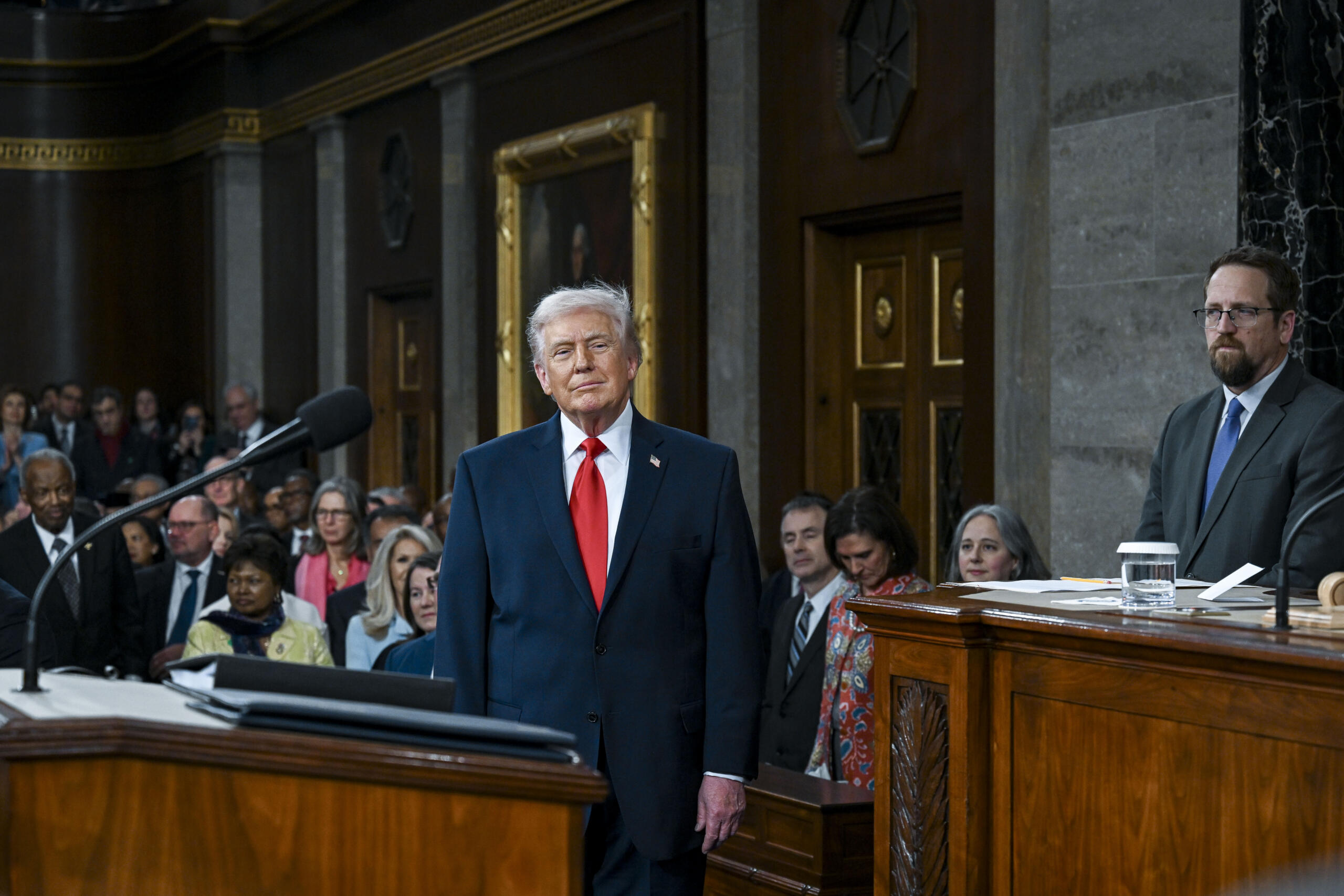
The future of college athletics may soon take shape in a high-profile meeting that brings together some of the most influential figures in sports, media, and politics. A major roundtable scheduled for March 6 will attempt to address the rapidly changing landscape of college sports — an industry that has transformed dramatically in just the past few years.
At the center of the discussion is the question that continues to dominate college athletics: what should the modern model of college sports look like?
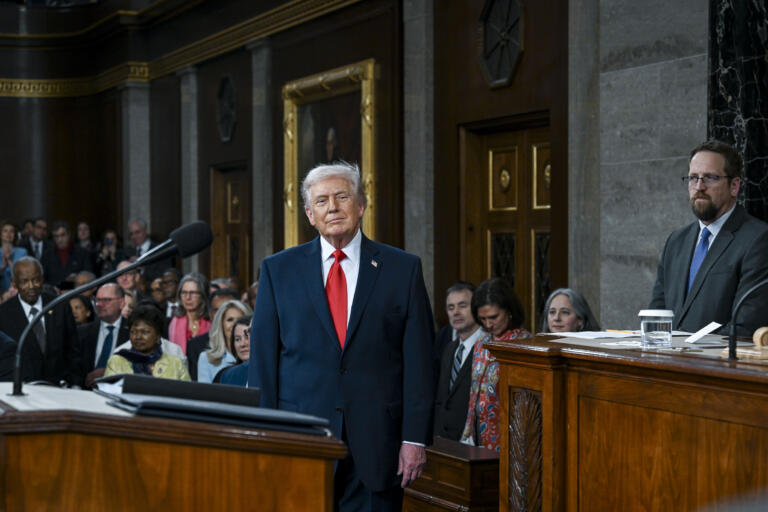
President Donald Trump will host the roundtable, which is expected to include conference commissioners from the Atlantic Coast Conference, Big Ten Conference, Big 12 Conference, and Southeastern Conference, along with dozens of other influential figures from across the sports world.
The meeting is expected to bring together an unusually diverse group of attendees — including media executives, professional sports leaders, former college coaches, and prominent athletes — all tasked with discussing possible solutions to the biggest issues facing college athletics.
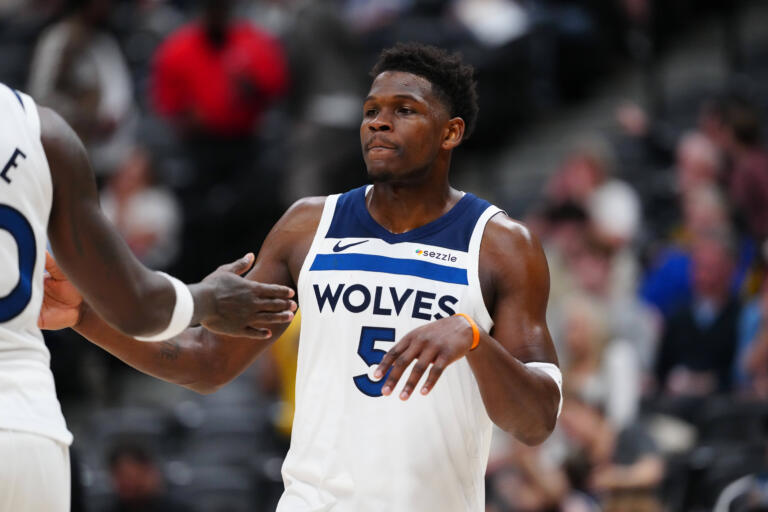
Among those invited are major sports figures such as Tiger Woods, Nick Saban, Urban Meyer, and Mack Brown, as well as professional sports leaders like Adam Silver, commissioner of the National Basketball Association.
The reason for such a powerful gathering is simple: college athletics is facing one of the most turbulent periods in its history.
Over the past few years, changes involving Name, Image, and Likeness (NIL) rights, the transfer portal, and legal challenges to NCAA rules have dramatically reshaped the sport. Players can now earn significant income through NIL deals, and court rulings have also opened the door to new forms of athlete compensation and unlimited transfers between schools.
While these changes have empowered athletes, they have also raised major questions about competitive balance, financial sustainability, and whether college sports are drifting closer to a professional model.
Some leaders worry that the current system could widen the gap between wealthy programs and smaller schools, while others fear that non-revenue sports — such as Olympic disciplines or women’s athletics — could be threatened if too much money is concentrated in football and men’s basketball.
That’s why the upcoming roundtable is being viewed as an early step toward finding long-term solutions.
Topics expected to be discussed include:
• A national framework for NIL payments
• The financial structure of college athletic departments
• The transfer portal and player movement
• Protecting smaller sports programs
• The overall governance of college athletics
For now, officials say the discussions are still in the preliminary stage and no concrete policy proposals have been finalized.
But the significance of the meeting itself is clear: college sports are entering a new era, and the people shaping that future are beginning to gather in the same room.
Whether the result is federal legislation, NCAA reforms, or a completely new model for college athletics, the conversations happening now could determine how college sports operate for decades to come.
Check Out All EasySportz College Football Content Here!
College Football Viewing Guide