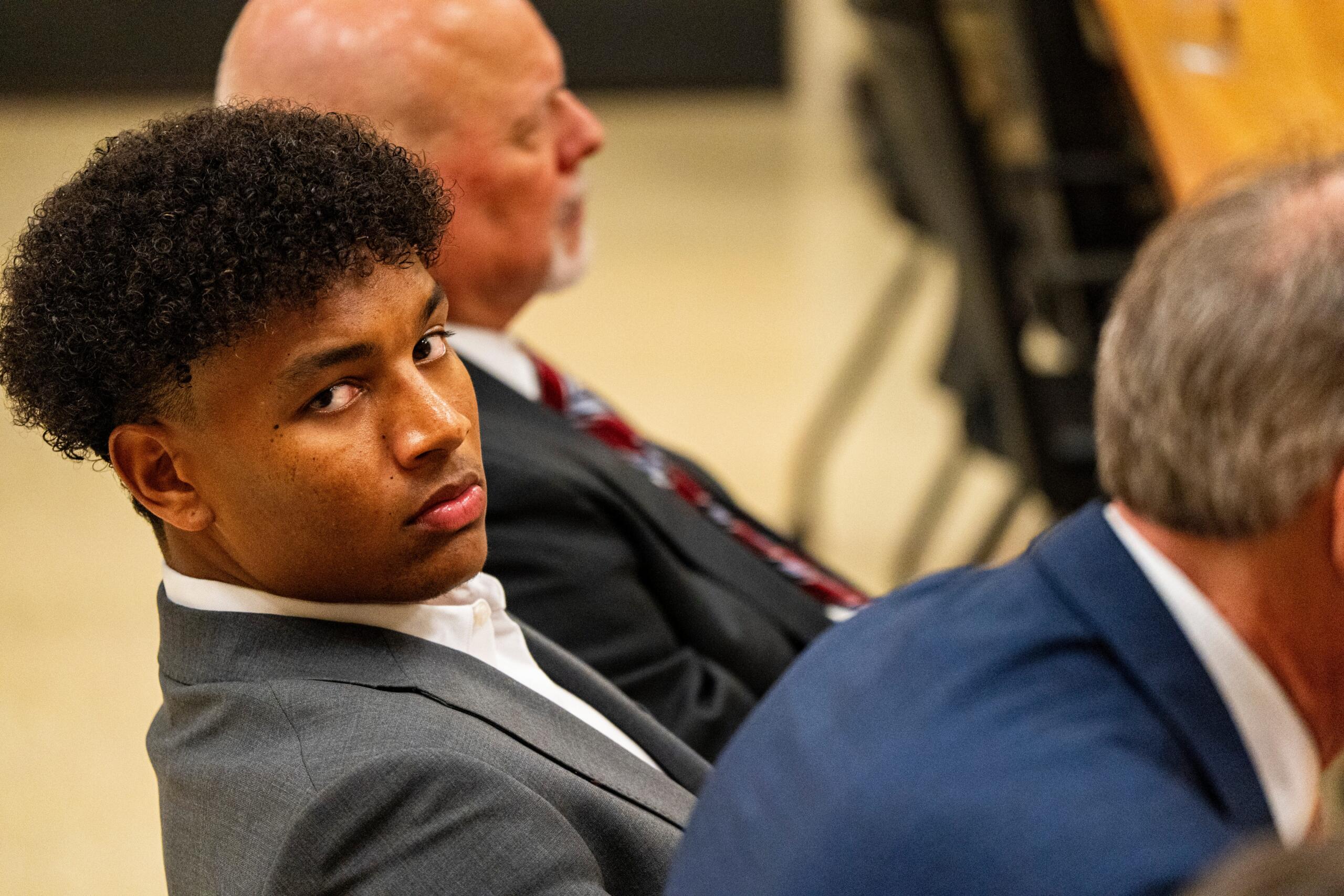
College football has a new controversy, and it involves one of the sport’s rising quarterbacks going head-to-head with the NCAA in court.
Trinidad Chambliss, the standout signal caller for the Ole Miss Rebels football, was recently granted a sixth year of eligibility by a Mississippi judge — but the NCAA is now fighting back.
The NCAA announced it is appealing the court ruling that would allow Chambliss to return and play the 2026 season at Ole Miss, escalating what has quickly become one of the most fascinating eligibility battles in college football.
How the Situation Started
Chambliss’ eligibility fight traces back to his early college career. Before arriving at Ole Miss, the quarterback played at Division II program Ferris State.
During the 2022 season he did not play due to ongoing respiratory issues, which he later argued should qualify him for an additional year of eligibility.
Ole Miss submitted a waiver request to the NCAA asking for a sixth year of eligibility based on those medical circumstances. However, the NCAA denied the waiver on January 9, saying the medical documentation did not meet its requirements for proving an “incapacitating injury or illness.”
After the NCAA rejected both the initial request and a follow-up appeal, Chambliss’ legal team took the fight to court.
The Judge’s Decision
In February, a Mississippi state judge issued a preliminary injunction allowing Chambliss to play in 2026, temporarily overriding the NCAA’s eligibility decision.
The ruling essentially cleared the path for the Ole Miss quarterback to return for another season while the legal case continues.
The judge’s decision argued that preventing Chambliss from playing could cause irreparable harm to his career, including lost NIL opportunities and lost chances to further develop for the NFL.
NCAA Pushes Back
But the story isn’t over.
The NCAA has now formally appealed the ruling, arguing that allowing courts to override eligibility decisions could undermine the organization’s ability to maintain consistent rules across college athletics.
In its filing, the NCAA warned that if judges start intervening in eligibility cases, the entire system could be thrown into chaos with different rulings across different states.
What It Means for Ole Miss
For Ole Miss, the stakes are enormous.
Chambliss has been one of the most important players in the program’s recent success. The quarterback helped lead the Rebels to one of their best seasons in decades and has become a key figure in the team’s offense.
If the injunction ultimately holds, Chambliss could return for the 2026 season and give Ole Miss a proven leader under center.
If the NCAA wins the appeal, however, his college career could effectively be over.
A Case That Could Change College Sports
Beyond just one player, the case could have broader implications for college athletics.
Legal experts believe the Chambliss lawsuit could open the door for more athletes to challenge NCAA eligibility rules in court, something that has become increasingly common in the evolving landscape of college sports.
For now, Chambliss is still eligible to play.
But with the NCAA appealing the decision, the battle between one quarterback and college sports’ most powerful organization is far from finished.
Check Out All EasySportz College Football Content Here!
College Football Viewing Guide