INDIANAPOLIS — The road to the draft officially shifts into high gear this week as more than 300 prospects descend on downtown Indianapolis for the 2026 NFL Scouting Combine, where speed, strength, and interviews could reshape draft boards across the National Football League.
Held once again at Lucas Oil Stadium, the annual showcase provides teams a centralized opportunity to evaluate top college talent through medical exams, team interviews, and on-field workouts. The event runs through the weekend inside the home of the Indianapolis Colts in Indianapolis.
While the 40-yard dash often commands the headlines, league evaluators consistently stress that the week is about far more than stopwatch times.
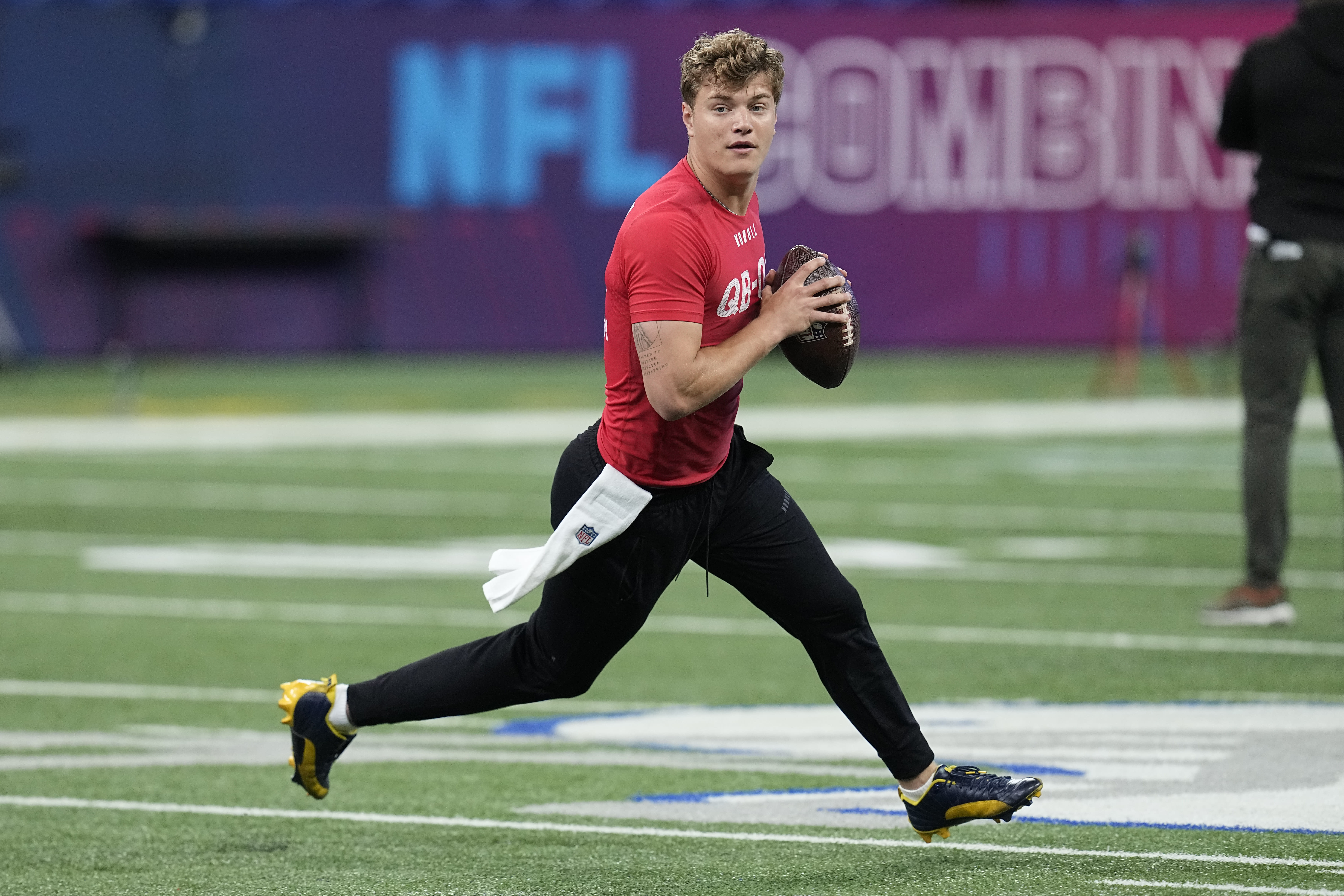
Quarterbacks are expected to draw significant attention in this year’s class, with several prospects vying to solidify first-round status through throwing sessions and interviews. Though quarterbacks do not face live defenses, their timing, footwork, and arm strength in scripted drills can influence perception, particularly for players projected near the top 10.
Defensive linemen and edge rushers will also be closely watched. The bench press remains a proving ground for upper-body strength, while the three-cone drill and 10-yard split times often carry more weight for scouts evaluating explosiveness and bend off the edge.
For skill-position players, the 40-yard dash remains the marquee event. A blazing time can elevate a mid-round prospect into early-round consideration, while a slower-than-expected run may raise questions — fairly or not — about a player’s game speed.
Beyond the workouts, team interviews, and medical evaluations are frequently described as the most critical components of the week. Clubs conduct formal interviews in 15-minute windows, testing prospects’ football IQ and personality fit. Comprehensive medical testing, meanwhile, can clarify long-term durability concerns that may impact draft value.
Several high-profile prospects have opted to participate only in interviews and medical evaluations, choosing instead to perform at their respective pro days. That strategy has become increasingly common in recent years, particularly among players already projected as early selections.
The combine does not determine draft order, but it can dramatically influence momentum. A strong week in Indianapolis has historically propelled lesser-known players into national conversation, while underwhelming performances can prompt renewed scrutiny.
With the 2026 NFL Draft approaching in April, front offices will leave Indianapolis armed with updated grades, verified measurements, and a clearer understanding of how this year’s class stacks up. For the prospects, it is a rare opportunity: four days to convince decision-makers they belong on Sundays.