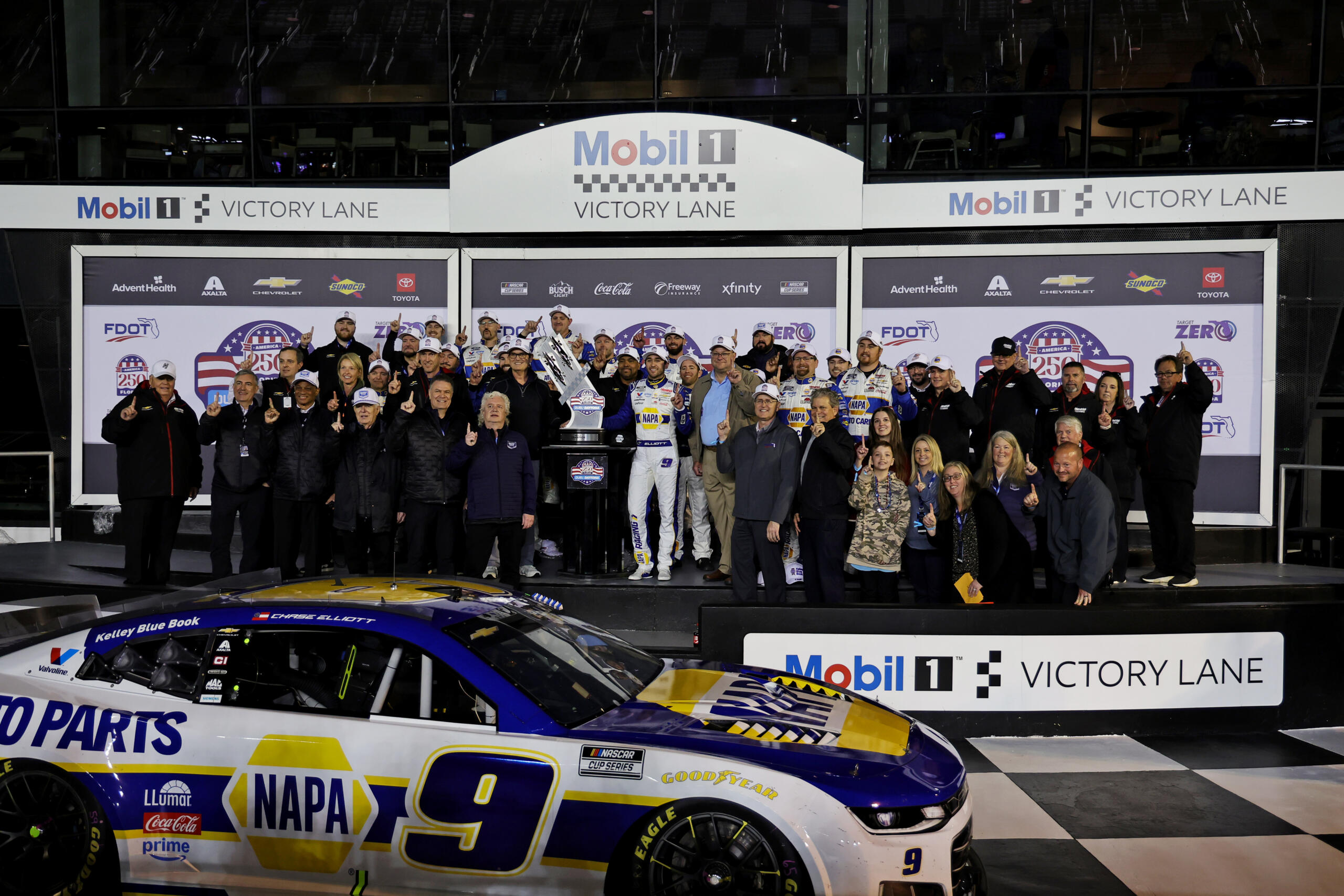
DAYTONA BEACH, Fla. — From high atop the grandstands at Daytona International Speedway, EasySportz had the full panoramic view Thursday night as Chase Elliott methodically picked apart Duel No. 2 and delivered a poised, polished victory in the second qualifying race for the Daytona 500. When the checkered flag waved after 60 green-flag laps, Elliott had done what he so often does on the sport’s biggest stages — stay patient, position himself late and strike with precision.
For NASCAR’s most popular driver, it was more than just a Duel trophy. It was a statement of control.
Elliott, driving the No. 9 Chevrolet for Hendrick Motorsports, led nine laps — the ones that mattered most — and edged Carson Hocevar by a razor-thin 0.065 seconds in a caution-free chess match at 190-plus mph. The margin underscored how tight the draft was all night. The execution underscored how sharp Elliott was behind the wheel.
This marked Elliott’s third career Duel victory at Daytona and locked him into the fourth starting position for Sunday’s Daytona 500.
A Clean, Calculated 60 Laps
Unlike the crash-filled unpredictability that often defines superspeedway qualifying races, Duel No. 2 ran caution-free. That meant no resets. No desperation restarts. Just sustained pack racing and calculated risk.
Elliott started fourth and hovered inside the top five for much of the race, never forcing the issue. The lead swapped hands multiple times among the Chevrolet-heavy front group, with drafting partners forming and dissolving in cycles. Chevrolet ultimately swept the top four finishing positions:
- 1st — Chase Elliott (No. 9 Chevrolet) — 9 laps led
- 2nd — Carson Hocevar (No. 77 Chevrolet) — 1 lap led
- 3rd — Kyle Larson (No. 5 Chevrolet)
- 4th — Michael McDowell (No. 71 Chevrolet)
- 5th — Christopher Bell (No. 20 Toyota)
From our vantage point in the upper grandstands, the most telling trend was lane stability. The outside line carried sustained momentum through the tri-oval, and Elliott timed his push perfectly on Lap 53 to clear for the lead. Once out front, he controlled the air and minimized side-draft vulnerabilities, never allowing Hocevar a clean shot at the bumper entering Turn 3 on the final lap.
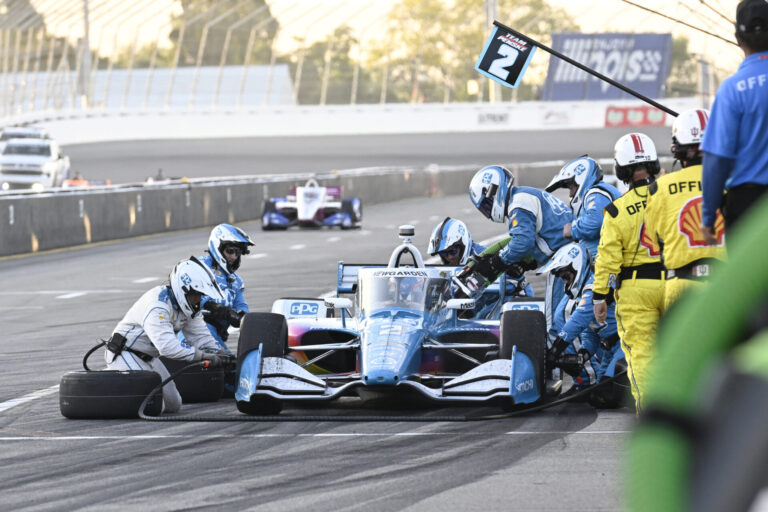
Then we hustled down toward pit road for the finish, where crew members leaned over the wall tracking intervals on their timing screens. The margin was slim. The composure was not.
Draft Discipline and Data Points
The analytics tell the story:
- 60 laps completed under green
- 0 cautions
- Final margin: 0.065 seconds
- Chevrolet: four of the top five finishers
In a race without incident-induced reshuffling, the advantage shifted to drivers who could read momentum cycles and anticipate energy in the draft. Elliott did both. He never overextended his run, never drifted too far from support and never forced a block that would have broken the line’s rhythm.
At Daytona, efficiency matters as much as aggression. Elliott’s throttle control through the corners kept the No. 9 stable, especially in the closing laps when side drafts can drag a leader backward in an instant. His ability to hold the top lane without scrubbing speed proved decisive.
It was clinical. It was controlled. It was veteran-level superspeedway racing.
What It Means for Sunday
Duel wins don’t award Daytona 500 trophies, but they do reveal preparation. Elliott’s performance suggests Hendrick Motorsports has found balance in its superspeedway package — particularly in sustained green-flag conditions.
The clean race also allowed teams to gather extended drafting data — temperature cycles, push timing, closing rates — without the interruption of yellow flags. That information becomes invaluable over 200 laps Sunday.
And beyond the spreadsheets and telemetry, there’s the human element. Elliott remains the sport’s most popular driver for a reason. He drives with calm, avoids theatrics and consistently puts himself in position late. Thursday night reinforced that reputation.
From the grandstands to pit road, EasySportz witnessed a driver who never looked rattled, never looked rushed and never looked out of control. In a form of racing where chaos is common currency, that steadiness stands out.
Sunday’s Daytona 500 will bring 200 laps, tighter packs and far higher stakes. But if Thursday night was any indication, Elliott and the No. 9 team won’t need drama to be contenders.
They’ll just need clean air, the right push — and about six hundredths of a second.
Check out all EasySportz NHL Content Here
College Football Viewing Guide