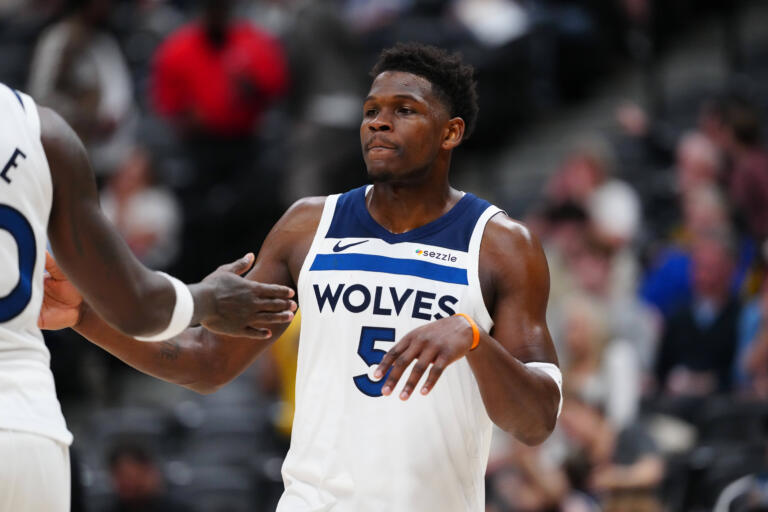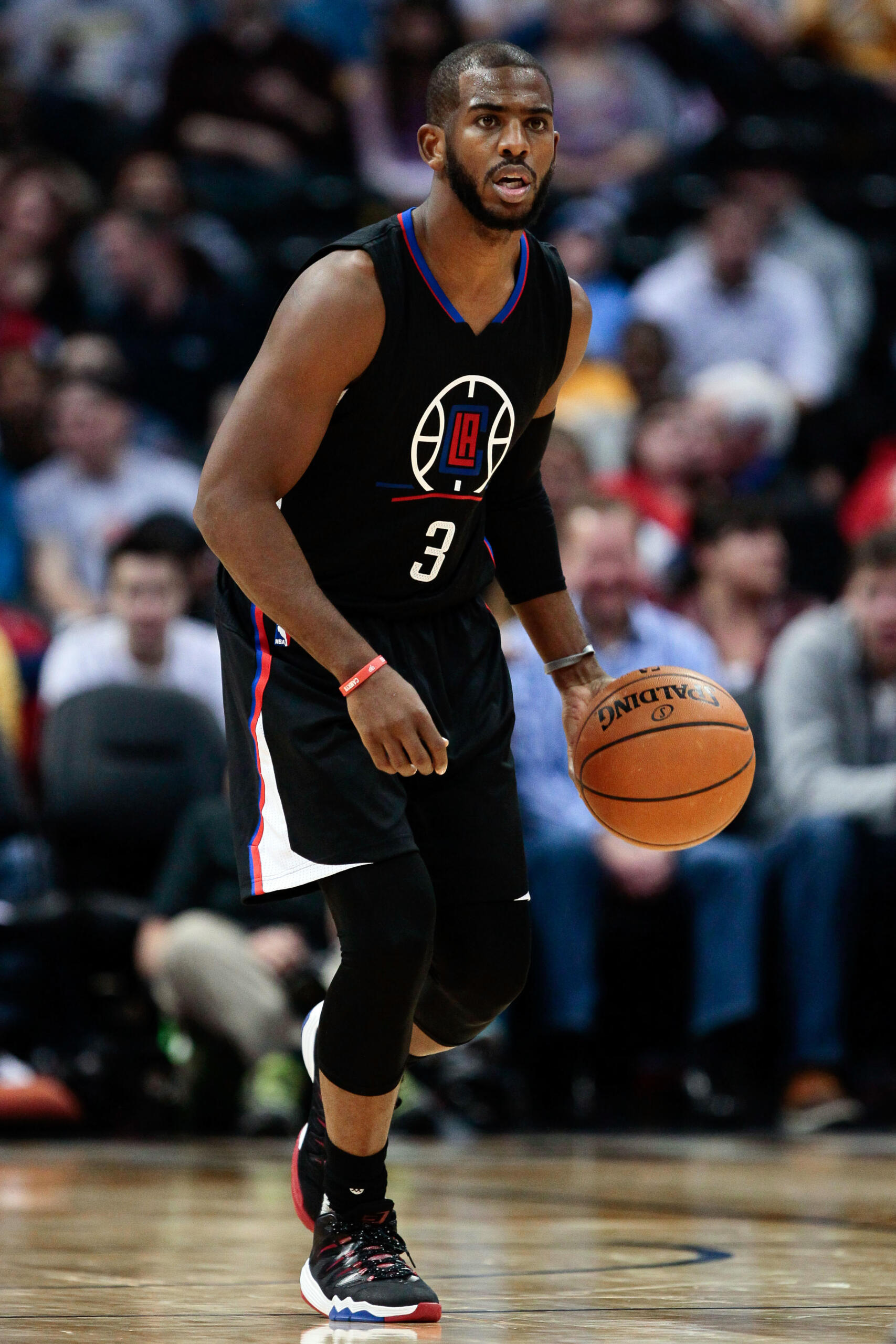
After 21 remarkable seasons in the NBA, Chris Paul has officially announced his retirement, closing the book on one of the most accomplished and respected careers in basketball history. Known universally as “CP3,” Paul exits the game not just as one of the greatest point guards ever, but as one of the most influential leaders the league has seen in the modern era.
From the moment he entered the NBA in 2005, Paul established himself as a floor general with elite vision, intelligence, and competitiveness. Winning Rookie of the Year with New Orleans, he immediately proved he was built to lead. Over the next two decades, that reputation only grew stronger. Whether running an offense, locking in defensively, or taking over late in games, Paul consistently raised the level of every team he joined.
His peak years with the Clippers helped redefine the franchise, turning it into a perennial playoff contender during the “Lob City” era. Later stops in Houston, Oklahoma City, and Phoenix further showcased his adaptability and leadership. Perhaps his most impressive revival came in Phoenix, where he guided a young Suns roster to the NBA Finals in 2021 and helped transform the franchise into a Western Conference power.
Statistically, Paul’s résumé speaks for itself. He finishes his career among the all-time leaders in assists and steals, a rare combination that highlights his two-way impact. A 12-time All-Star, 11-time All-NBA selection, and nine-time All-Defensive honoree, Paul consistently performed at an elite level well into his late 30s. Few players in league history have maintained that level of excellence for so long.
Beyond the numbers, Paul’s true legacy lies in how he played the game. He was the definition of a “coach on the floor.” His ability to read defenses, control tempo, and organize teammates made him invaluable in high-pressure situations. Younger players routinely credited him for accelerating their development, while veterans praised his professionalism and preparation.
Paul was also a central figure off the court. As president of the NBA Players Association, he played a major role in labor negotiations and player advocacy, earning respect throughout the league. His leadership extended beyond basketball, helping shape the modern player-empowerment era.
While an NBA championship ultimately eluded him, Paul’s career should never be defined by that absence. His impact, consistency, and longevity place him firmly among the all-time greats. He didn’t rely on athleticism alone—his success was built on skill, intelligence, and relentless competitiveness, qualities that allowed him to thrive for more than two decades.
In his final seasons with Golden State and San Antonio, Paul embraced a mentorship role, guiding younger rosters and continuing to contribute whenever called upon. Even as his minutes decreased, his influence never did.
As Chris Paul walks away from the game, he leaves behind a blueprint for excellence at the point guard position. He showed that leadership, preparation, and basketball IQ can be just as powerful as raw talent. For fans, teammates, and future players, CP3’s career stands as a masterclass in how to play—and respect—the game.
After 21 seasons, countless milestones, and an enduring legacy, one thing is clear: the NBA will not see another Chris Paul anytime soon.
Check out all EasySportz NBA Content Here