The 2026 FIFA World Cup — hosted by the United States, Canada, and Mexico — is set to be the largest and most ambitious tournament in history. With 48 teams, 104 matches, and billions watching worldwide, the stage is perfectly set for legendary moments, emotional farewells, and history-making runs.
Here are the most compelling storylines that could shape the 2026 World Cup.
1. Spain’s Golden Generation Takes Center Stage
Spain enters 2026 with one of the most exciting young cores in world football. After years of transition, La Roja once again looks capable of dominating possession while playing with pace and creativity.
At the heart of that resurgence is teenage sensation Lamine Yamal, who could become the tournament’s breakout star. Surrounded by technically gifted midfielders and a growing defensive core, Spain has the balance needed to contend deep into the knockout rounds.
If everything clicks, Spain could be the team that blends youth, discipline, and flair better than anyone else in North America.
2. Mbappé’s Chase for Immortality
Few players enter 2026 with more individual stakes than Kylian Mbappé.
Heading into the tournament, Mbappé already has 12 career World Cup goals, putting him within striking distance of the all-time record held by Miroslav Klose, who finished his career with 16.
With France once again loaded with elite talent, Mbappé will have plenty of opportunities to add to his total. Another strong tournament could see him become the greatest World Cup scorer in history — a milestone that would define his legacy.
3. The Possible Farewell Tour: Messi, Ronaldo, and Neymar
One of the most emotional storylines of 2026 could be the final World Cup appearances of three global icons:
- Lionel Messi
- Cristiano Ronaldo
- Neymar
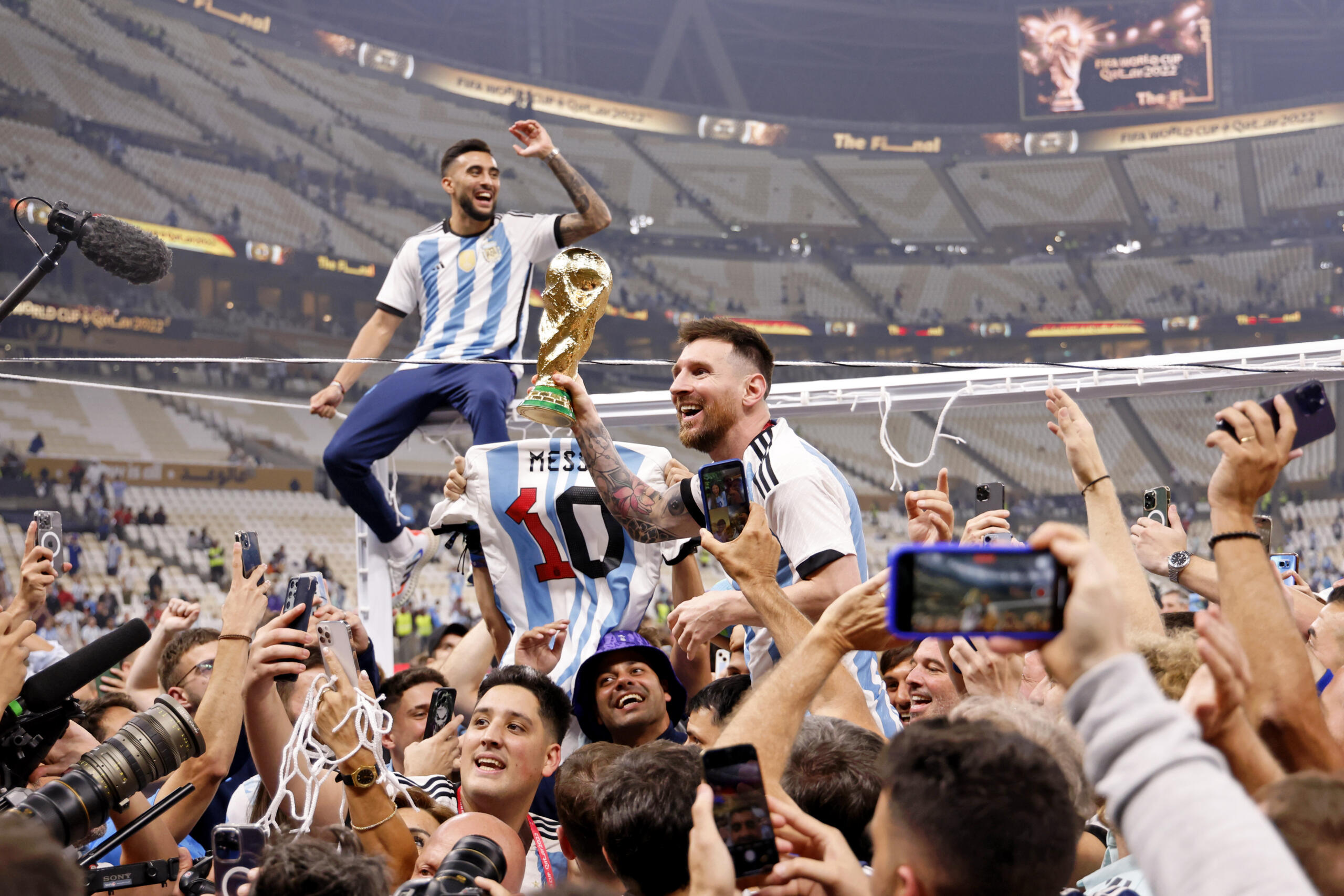
Messi already completed football’s ultimate storyline by lifting the trophy in 2022, but a return in 2026 would be about leadership and legacy. Ronaldo, still driven by records and competition, may see this as his final chance to win the one trophy missing from his résumé. Neymar, if healthy and selected, could be playing his last World Cup as Brazil’s creative centerpiece.
Seeing all three share the global stage one last time would be a defining moment for an entire generation of fans.
4. England’s Quest to End the 60-Year Drought
England has not won a World Cup since 1966 — and that drought continues to shape expectations around the national team.
The current version of the England national football team may be the most talented group the country has produced in decades. With stars like Harry Kane, Jude Bellingham, and Bukayo Saka leading the way, England combines experience, creativity, and athleticism.
After falling short in recent major tournaments, 2026 represents their best opportunity yet to turn consistent contention into a championship. Ending a 60-year title drought would instantly become one of the most iconic moments in English football history.
5. Can Argentina Become Back-to-Back Champions?
After conquering the world in Qatar, Argentina enters 2026 with a chance to achieve something no team has accomplished since the early 1960s.
The Argentina national football team could become the first nation to win back-to-back World Cups since the Brazil national football team in 1958 and 1962.
Even if Messi plays a reduced role, Argentina still boasts elite talent across the pitch and a winning mentality forged through recent success. A repeat title would cement this era as one of the greatest dynasties in modern international football.
6. The Impact of the Expanded 48-Team Field
For the first time, 48 nations will compete in a World Cup, dramatically reshaping the tournament’s structure.
More teams mean greater global representation, but also more uncertainty. Traditional powers must navigate new group formats and longer paths to the final, while smaller nations now have real chances to advance.
Upsets, surprise qualifiers, and chaotic group-stage finishes could become defining features of 2026.
7. Fan Backlash and the Cost of the World Cup
Another growing subplot is the rising cost of attending matches. Between expensive tickets, travel, and lodging, many supporters fear being priced out of the experience.
If stadiums struggle to fill or fan groups voice frustration, it could create tension between organizers and supporters. The atmosphere of a World Cup depends heavily on passionate crowds, and affordability will play a major role in shaping that environment.
8. Underdogs and New Global Heroes
With more teams involved, 2026 is primed for Cinderella stories.
Smaller nations, first-time qualifiers, and overlooked squads will have more opportunities to make deep runs. One inspired performance can create national heroes and redefine how the football world views an entire program.
These unexpected breakthroughs often become the most memorable parts of any World Cup.
Why 2026 Could Be Truly Historic
The 2026 World Cup is not just bigger — it is richer in narrative than any tournament before it.
From Mbappé’s pursuit of Klose’s scoring record, to potential final appearances from Messi, Ronaldo, and Neymar, to England’s title chase and Argentina’s bid for history, every corner of the tournament carries meaning.
In North America, football will not just crown a champion. It will close legendary chapters, launch new stars, and shape the future of the global game for years to come.
Check out all EasySportz Soccer Content Here
View the Champions League Standings Here
View the Premier League Standings Here
View the La Liga Standings Here