After the Buffalo Bills fired Sean McDermott on Monday morning, attention quickly turned to who might be next. While the team has not shared details about its plans, Kalshi’s prediction market offers a snapshot of how people are viewing the situation right now.
The market does not point to a clear answer. Instead, it shows a crowded and unsettled field, with interest spread across a wide range of candidates.
A Tight Race at the Top
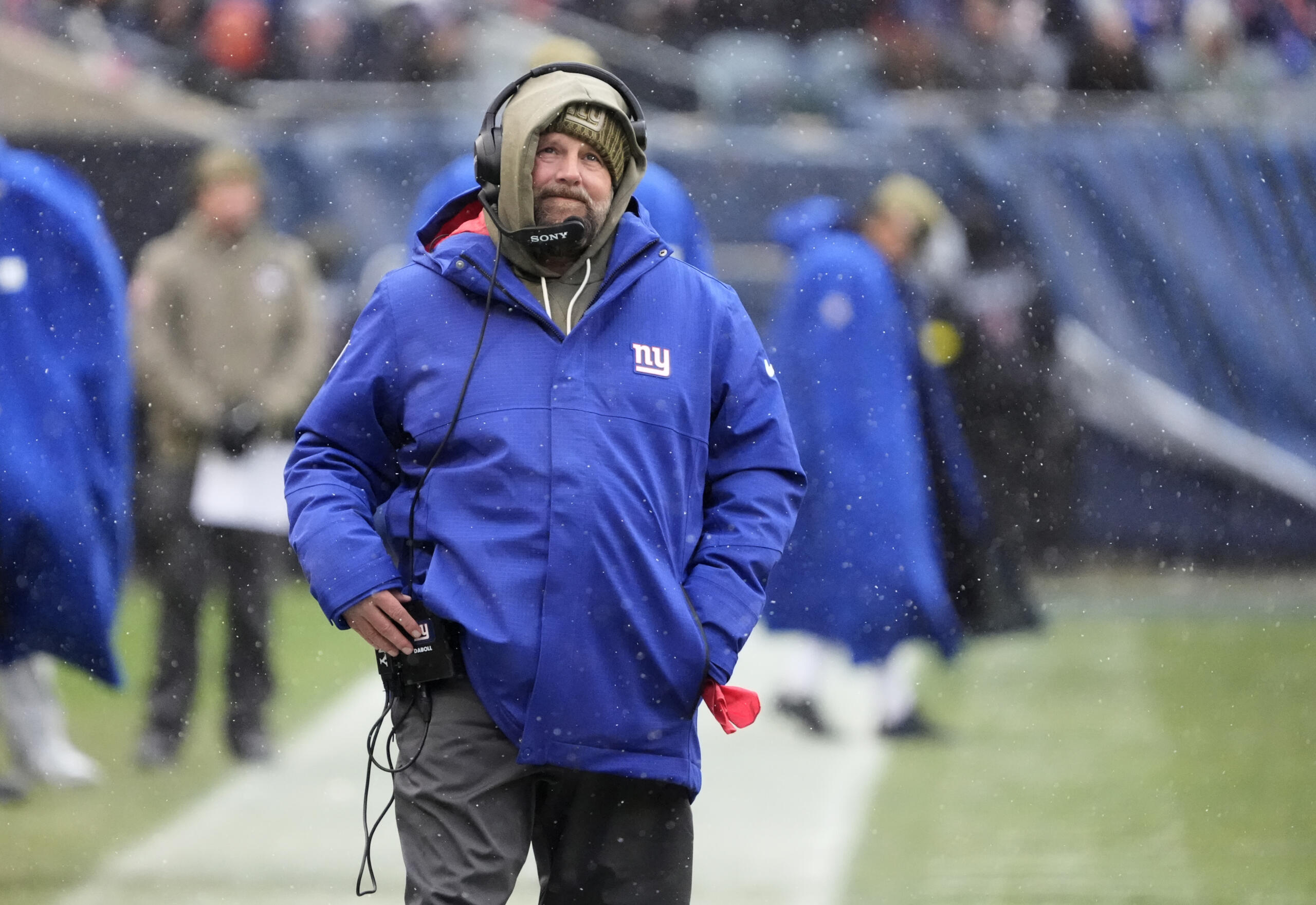
At the top of the market, Brian Daboll and Klint Kubiak are tied at 29 percent each. That tie alone is telling. Rather than rallying behind one obvious favorite, the market reflects uncertainty and competing ideas about what direction the Bills might take.
Daboll’s standing reflects his past success in Buffalo as offensive coordinator and his strong working relationship with Josh Allen and the organization. Kubiak’s position suggests that some believe the Bills could prioritize offensive structure and scheme, even if that means going outside familiar territory.
More than $140,000 has already been traded in this market, which adds weight to the idea that these early signals are being taken seriously.
A Small Gap to the Next Group
Just behind the leaders is a second tier that remains very much in play.
Joe Brady sits at 18 percent after serving as the Bills’ offensive coordinator for the final two seasons under McDermott. His familiarity with the roster and coaching staff appears to matter, though his lack of head coaching experience may be holding his chances below the top tier.
Davis Webb follows at 16 percent. His placement near the top suggests the market is considering internal familiarity and quarterback-room relationships as part of Buffalo’s decision-making process.
Together, this group shows that the market still sees multiple realistic paths forward.
A Very Long Tail of Possibilities
Beyond the top four, the market spreads out quickly.
More than two dozen additional names appear, most sitting in the single digits or low single digits. This includes well-known coaches, current assistants, and a mix of offensive and defensive backgrounds. None of these candidates are drawing enough support to suggest momentum, but their presence highlights how open the conversation still is.
In prediction markets, this kind of long tail is common when there is little confirmed information. Well-known names often attract small amounts of interest even when there is no clear connection to the job.
What This Information Really Tells Us
The most important takeaway from the Kalshi board is not who is listed, but how the probabilities are distributed.
There is no runaway favorite. There is no sharp drop-off after the top name. Instead, the market shows a tight cluster at the top, a competitive second tier, and a wide field of speculative options behind them.
That usually points to a search that is still forming rather than one that is close to a decision.
The Bottom Line
Kalshi’s prediction market does not reveal who the Bills will hire, but it does show how uncertain the situation remains.
Right now, it suggests a competitive search with several plausible candidates, no clear front-runner, and plenty of room for the picture to change as more information becomes public.
Until that happens, the market’s message is straightforward: the Bills’ next head coach is still very much an open question.