MOORESVILLE, N.C. —
Sometimes the smartest move in sports isn’t inventing something new. It’s remembering what worked, listening to the people who lived it and having the humility to meet fans where they are.
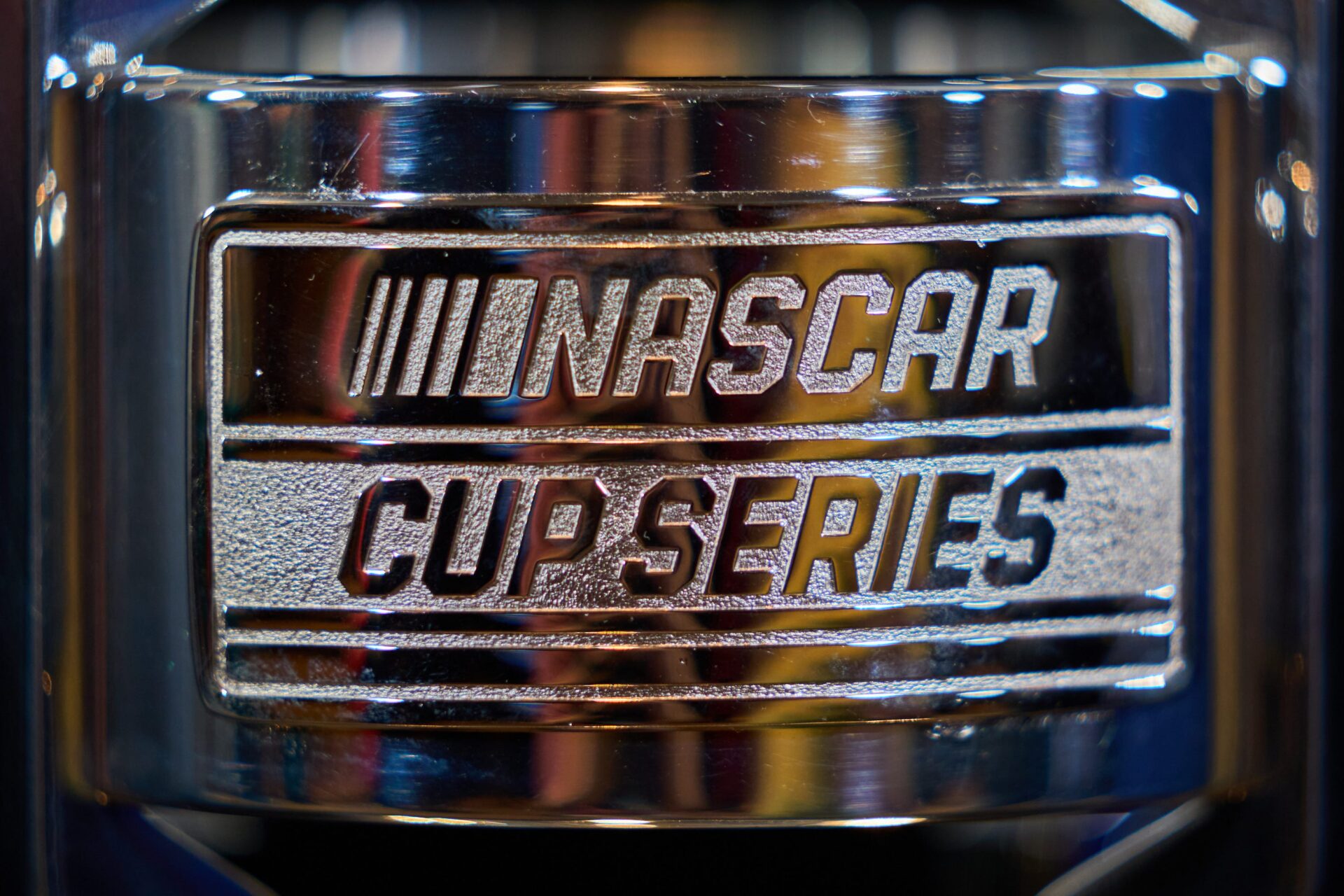
For NASCAR, bringing back the Chase format for 2026 was exactly that — a long-overdue home run that blends nostalgia, competitive legitimacy and modern reality into one clean, coherent postseason.
This wasn’t panic. This was leadership.
For years, NASCAR has wrestled with the same tension every major sport faces: how to reward season-long excellence while still delivering drama when it matters most. The playoff format accomplished some of that, but it also fractured the fan base and muddied the championship narrative. Wins mattered — until they didn’t. Consistency mattered — until it was erased by one bad race.
The Chase fixes that without turning the clock all the way back.
A 10-race postseason. A reset that still respects performance. A championship that unfolds over time instead of detonating in one chaotic afternoon. That’s racing. That’s storytelling. That’s how fans emotionally invest again.
Is the 16-driver field perfect? No. If we’re nitpicking — and we should — 10 or 12 drivers would sharpen the blade even more. Fewer passengers, higher stakes, cleaner math. But that’s a small gripe in an otherwise outstanding compromise, one that keeps modern inclusivity while restoring clarity and credibility.
What NASCAR got right — emphatically — is understanding why fans drifted.
According to ESPN’s coverage and industry analysis, NASCAR’s strongest eras weren’t built solely on gimmicks. They were built on recognizable stars, sustained rivalries and championships that felt earned over time. The Chase era produced exactly that. It gave fans a reason to follow points week to week, not just circle one race in November and hope chaos sorted it out.
The data backs it up. Historically, NASCAR’s television ratings and track attendance were strongest when championships felt like marathons, not coin flips. The Chase didn’t eliminate drama — it focused it. Ten races created arcs. Momentum swings mattered. Bad days hurt, but they didn’t invalidate nine months of work.
That’s the sweet spot.
The new Chase format also rewards what today’s garage actually looks like. Teams are smarter. Parity is real. The field is deeper than it was 20 years ago. Stretching the postseason across multiple races allows the best organizations — not just the luckiest — to rise. That’s good for competition and credibility.
And credit where it’s due: this didn’t happen in a vacuum.
Mark Martin and Dale Earnhardt Jr. deserve real praise for lending their voices, credibility and perspective to the conversation. Both understood what fans were missing because they lived it. They competed in eras where championships were battles of attrition and mental toughness, not roulette wheels. Their influence helped bridge the gap between generations — and NASCAR listened.
That matters more than people realize.
This decision signals something bigger: NASCAR isn’t stubbornly clinging to pride. It’s adapting with purpose. It’s acknowledging missteps without overcorrecting. And it’s showing fans — especially longtime ones — that their voices still matter.
Expect results.
Expect higher TV ratings as casual viewers re-engage with a postseason that’s easier to understand and easier to follow week to week. Expect better attendance as fans feel the weight of each race again. Expect a genuine good feeling around the sport — the kind you can’t manufacture with stage cautions or buzzwords.
Most importantly, expect momentum.
NASCAR enters 2026 with something it’s lacked for too long: confidence rooted in identity. The Chase isn’t a retreat. It’s a refinement. It honors the sport’s past without ignoring its present.
That’s how you grow.
This was smart governance. Smart listening. Smart compromise.
NASCAR didn’t just make fans happy — it made the championship make sense again. And in a sport built on speed, sometimes the best move is slowing down just enough to remember who you are.
Well done.
Check Out All EasySportz College Football Content Here!
College Football Viewing Guide