NEW YORK —
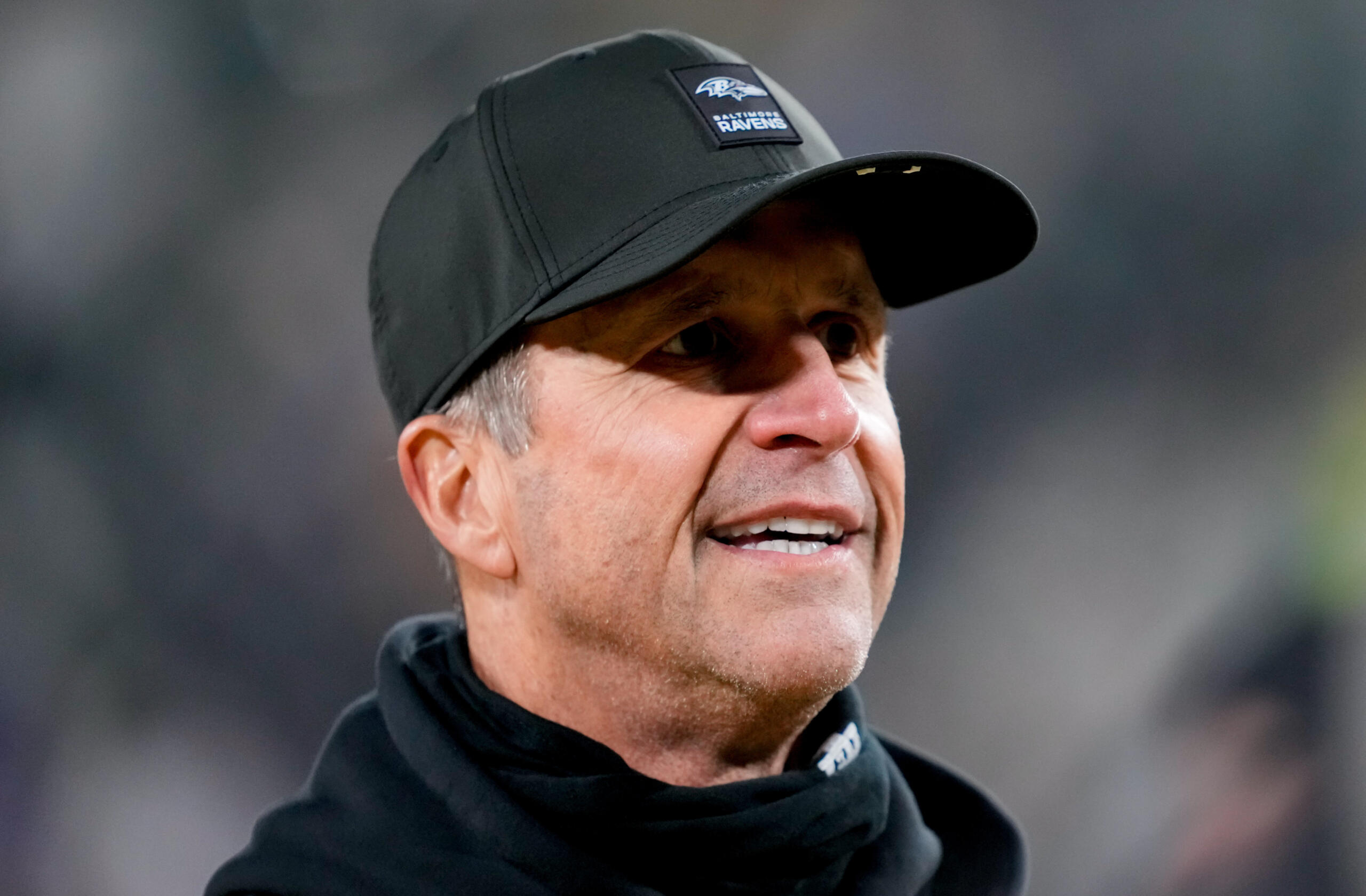
Let’s cut through the fluff: the John Harbaugh–to–Giants hire looks flashy because it sounds big. A Super Bowl-winning coach with nearly two decades atop one of the NFL’s most stable franchises? That’s media catnip. Casual fans hear “Super Bowl ring,” “long tenure” and “veteran coach” and assume the Giants just landed a generational swing. But when you actually look under the hood — with data, trends and results instead of reputation — this hire looks like an overpay for a coach whose best football is firmly in the rearview mirror.
Harbaugh’s résumé is respectable, not revolutionary. As head coach of the Baltimore Ravens from 2008 through 2025, he compiled a regular-season record well above .600, made the playoffs a dozen times and finished with a 13-11 postseason record, highlighted by one Super Bowl title following the 2012 season. That’s a good career. It’s just not the kind of résumé that screams “reset the trajectory of a broken franchise.”
That lone Super Bowl remains the foundation of Harbaugh’s legend, and it deserves context. The 2012 Ravens were carried by an elite defense stocked with Hall of Fame talent and veteran leadership, plus a generational playoff performance from Joe Flacco. That group dictated games, controlled tempo and dragged an offense across the finish line when necessary. Harbaugh didn’t design that defense, and he didn’t out-innovate the league offensively. He managed a veteran roster that largely fueled itself. That matters when evaluating what he is now, not what he was.
Fast-forward to the modern NFL, and the returns thin out.
Since that championship season, Baltimore has routinely fielded top-five rosters by most efficiency metrics, yet postseason success hasn’t matched the talent level. The Ravens have frequently exited the playoffs earlier than expected, even while ranking near the top of the league in point differential and regular-season efficiency. That gap — great roster, modest playoff payoff — is the coaching conversation no one wants to have.
Then there’s 2025.
Baltimore entered that season as a legitimate Super Bowl contender with a loaded roster, an MVP-caliber quarterback and one of the league’s most balanced teams on paper. Instead, the Ravens finished below .500, missed the playoffs, got swept by Pittsburgh and blew multiple significant leads. In a weakened division, they had several chances to recover — and failed every one. That wasn’t bad luck. That was stagnation.
Harbaugh doesn’t call offense. He doesn’t call defense. He oversees. In today’s NFL, that’s a problem. The league is being run by coaches who create advantages every Sunday — not ones who delegate them. Sean McVay, Kyle Shanahan and the rising wave of offensive play callers don’t just manage games; they bend them. Harbaugh, at this stage, is closer stylistically and analytically to Mike McCarthy — a steady, respected coach whose teams often win because of quarterback talent, not schematic superiority.
That’s not an insult. It’s a reality check.
Which makes the Giants’ reaction baffling.
New York is acting like it hired the next offensive architect when it actually paid premium money for organizational stability. Reportedly north of $20 million per year, this contract reflects belief in a savior, not a steward. Harbaugh might raise the floor slightly. He is unlikely to raise the ceiling.
And let’s not gloss over the irony: the Giants fired Brian Daboll, a younger, more offensively inclined coach who was largely sunk by a roster that never caught up to his schemes. Daboll didn’t lose because his ideas were outdated. He lost because the Giants gave him very little to work with. Now they’ve replaced him with a coach whose ideas haven’t meaningfully evolved in a decade.
It’s almost impressive how the Harbaugh brand continues to escape scrutiny. At this point, you start to wonder if the family has dirt on someone at the network level — because the reverence rarely matches the tape or the trends. Reputation keeps carrying the day while results quietly whisper a different story.
Now look at the situation Harbaugh is walking into.
The Giants do not have a proven quarterback of the future. The roster is overvalued. The offensive identity remains unclear. Jaxson Dart and Cam Skattebo are fun college football stories, but projecting them as solutions requires a leap of faith — and a modern offensive mind. If Harbaugh couldn’t consistently unlock the full postseason potential of Lamar Jackson, one of the most dynamic quarterbacks in NFL history, what exactly is the plan here?
That’s the question no one is asking loudly enough.
Meanwhile, Atlanta — guided by new team president Matt Ryan — quietly avoided this entire mess. The Falcons recognized where the league is going and stepped away from nostalgia hires in favor of forward-thinking solutions. That’s how franchises close gaps. That’s how they get relevant.
The Giants? They bought a name.
Expect New York to look organized early. Expect discipline. Expect a few preseason ATS wins as Harbaugh leans on veterans to reassert control. Then expect the limitations to surface when innovation matters most.
Take the under on Giants wins. Save the receipt. Revisit this in two or three seasons when the honeymoon is long gone and the questions are unavoidable.
John Harbaugh would have been a terrific hire in 2015.
In 2026? He’s expensive, stubborn and increasingly ordinary — a symbol of stability in a league that demands evolution.
Have fun, Big Blue. Don’t say the ball knowers didn’t warn you.
Check Out All EasySportz NFL Content Here!
Jaguars Season Preview, A Look Back!