AUBURN, Ala. —
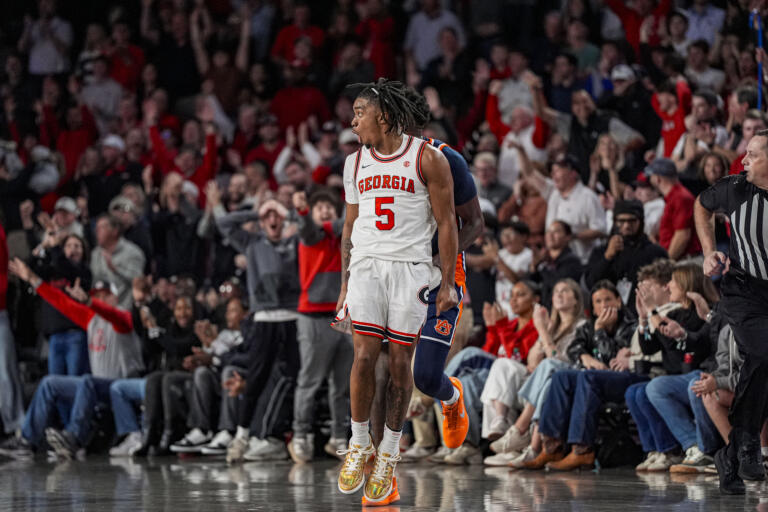
There is a difference between competitive outrage and institutional whining. After Wednesday night’s loss to Texas A&M, Auburn’s athletic department once again sprinted past that line — waving its arms, pointing fingers and insisting that the world is conspiring against it.
It isn’t.
What happened on the Plains was not a grand injustice. It was a basketball game that Auburn failed to close, followed by a familiar script: public frustration, vague accusations, and a fan base encouraged — implicitly or explicitly — to believe that external forces, not internal shortcomings, are the reason results keep falling short of expectations.
At some point, accountability has to replace paranoia.
A Pattern, Not a Moment
Auburn’s reaction to the Texas A&M loss would be easier to shrug off if it were isolated. It isn’t. Across multiple sports and multiple seasons, the Tigers have developed a reputation for responding to adversity not with introspection, but with grievance.
Bad call? The league is out to get Auburn.
Tough whistle? Bias.
Loss to a comparable opponent? Rigged.
This mentality has become institutional, and that’s the real problem.
Elite programs don’t behave this way. Alabama doesn’t. Georgia doesn’t. Texas A&M doesn’t. They lose games, review film, adjust and move on. Auburn, too often, chooses the megaphone.
That tone starts at the top.
Leadership Sets the Culture — For Better or Worse
Athletic director John Cohen inherited a difficult job, but his tenure has been defined more by defensiveness than direction. Auburn athletics lacks a clear identity beyond indignation. The messaging after losses frequently sounds less like leadership and more like a press release written in the comments section.
That culture trickles down. When administrators bristle, coaches bristle. When coaches bristle, players and fans follow suit.
Basketball is the clearest example.
Auburn Basketball: A Program at a Crossroads
Bruce Pearl deserves credit. He made Auburn basketball nationally relevant in a way few thought possible. Final Four appearances matter. Consistent tournament bids matter. But relevance does not grant immunity from criticism, and it certainly doesn’t justify how Auburn handled its recent transition.
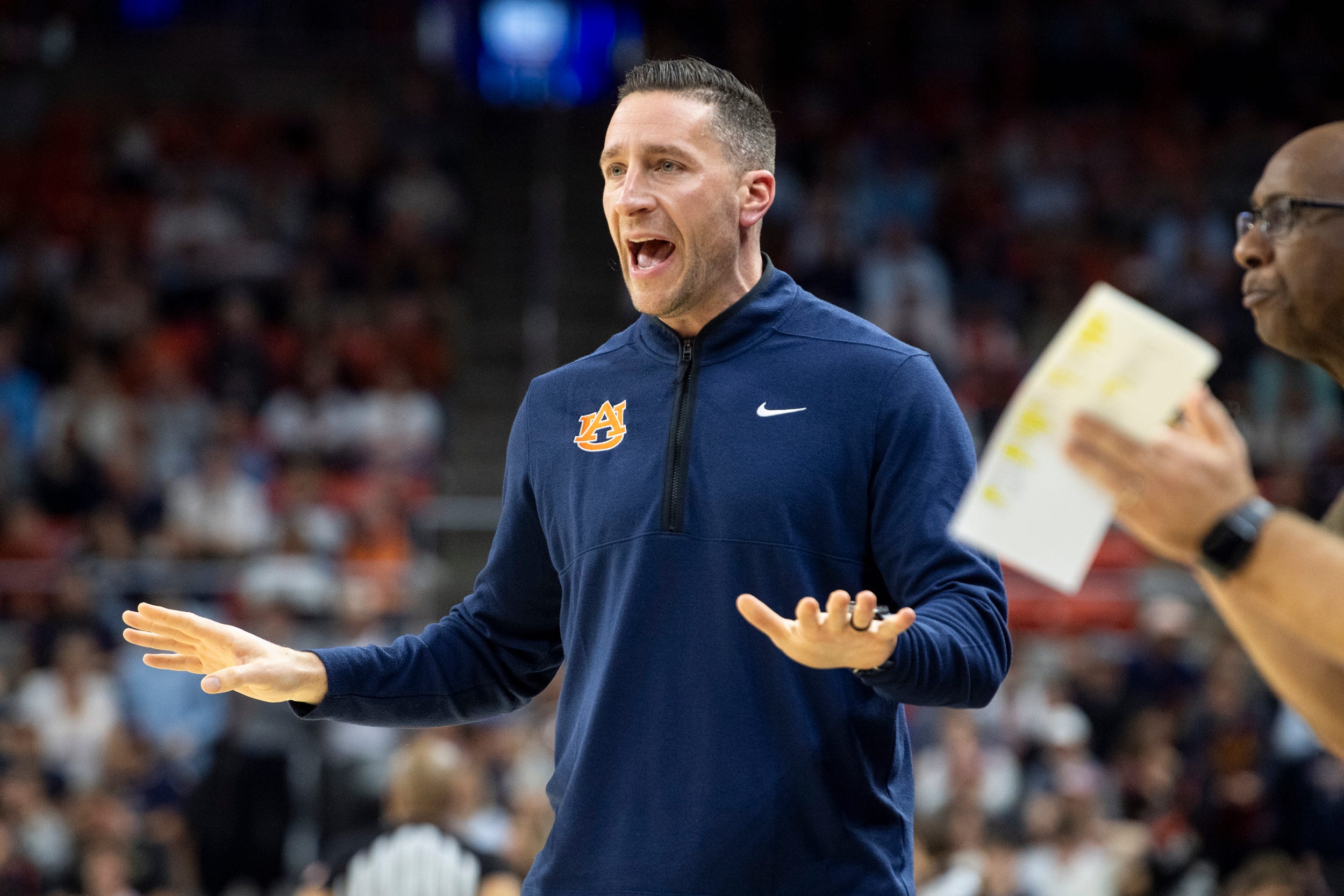
Pearl’s decision to step aside while his son, Steven Pearl, moved into the head coaching role raised obvious questions — not about effort or character, but about experience. Power-conference jobs are unforgiving, and Auburn handed one to a coach with no prior head coaching résumé at this level.
That is not an insult. It is a fact.
Auburn didn’t conduct a national search. It didn’t explore alternatives. It chose continuity over credibility and hoped the name on the jersey would smooth the edges.
So far, it hasn’t.
The Tigers have talent. They compete. But they lack composure in moments that demand it. Late-game execution has been uneven. Offensive identity has fluctuated. And when things unravel, the response too often turns outward instead of inward.
That’s not officiating. That’s maturity.
The Harsh Truth Auburn Keeps Avoiding
Auburn is not a flagship football program. It is not a basketball powerhouse. It is a strong, resource-rich athletic department that lives in brutal neighborhoods in both sports.
In football, Auburn is a tier-two program trying to survive in a tier-one division. In basketball, it is a tier-three power capable of great seasons — but not entitled to them.
That reality doesn’t diminish Auburn. Denying it does.
The most damaging thing Auburn athletics does is sell its fans the idea that disappointment must always be someone else’s fault. That mindset doesn’t build champions. It builds excuses.
Grow Up, or Stay Stuck
The Tigers don’t need pity. They don’t need conspiracy theories. They don’t need to be rescued from imagined enemies.
They need grown-up leadership. They need self-awareness. They need to stop acting like every loss is an affront rather than a lesson.
Texas A&M didn’t beat Auburn because of referees. Auburn lost because it didn’t make enough plays when it mattered. That’s basketball. Always has been.
Until Auburn embraces that truth — and demands more from itself instead of less from everyone else — it will keep spinning in the same cycle: talent, expectations, frustration, excuses.
At some point, the finger-pointing has to stop.
Because nobody is out to get Auburn.
And pretending otherwise only ensures the Tigers never get where they want to go.
Check Out All EasySportz CBB Content Here!
College Basketball Daily Schedule