MOORESVILLE, N.C. — NASCAR does not crown champions by accident. At least not anymore.
The sport’s modern resurgence — competitive, creative and unapologetically bold — has a name attached to it, and it’s Ben Kennedy.
Kennedy, NASCAR’s executive vice president of racing development and strategy, has quietly become one of the most important figures in the garage. While drivers take checkered flags and owners lift trophies, Kennedy has reshaped the battlefield itself — building a schedule that tests skill, rewards versatility and, most importantly, reconnects the sport with its soul.
This isn’t nostalgia for nostalgia’s sake. It’s innovation with intention.
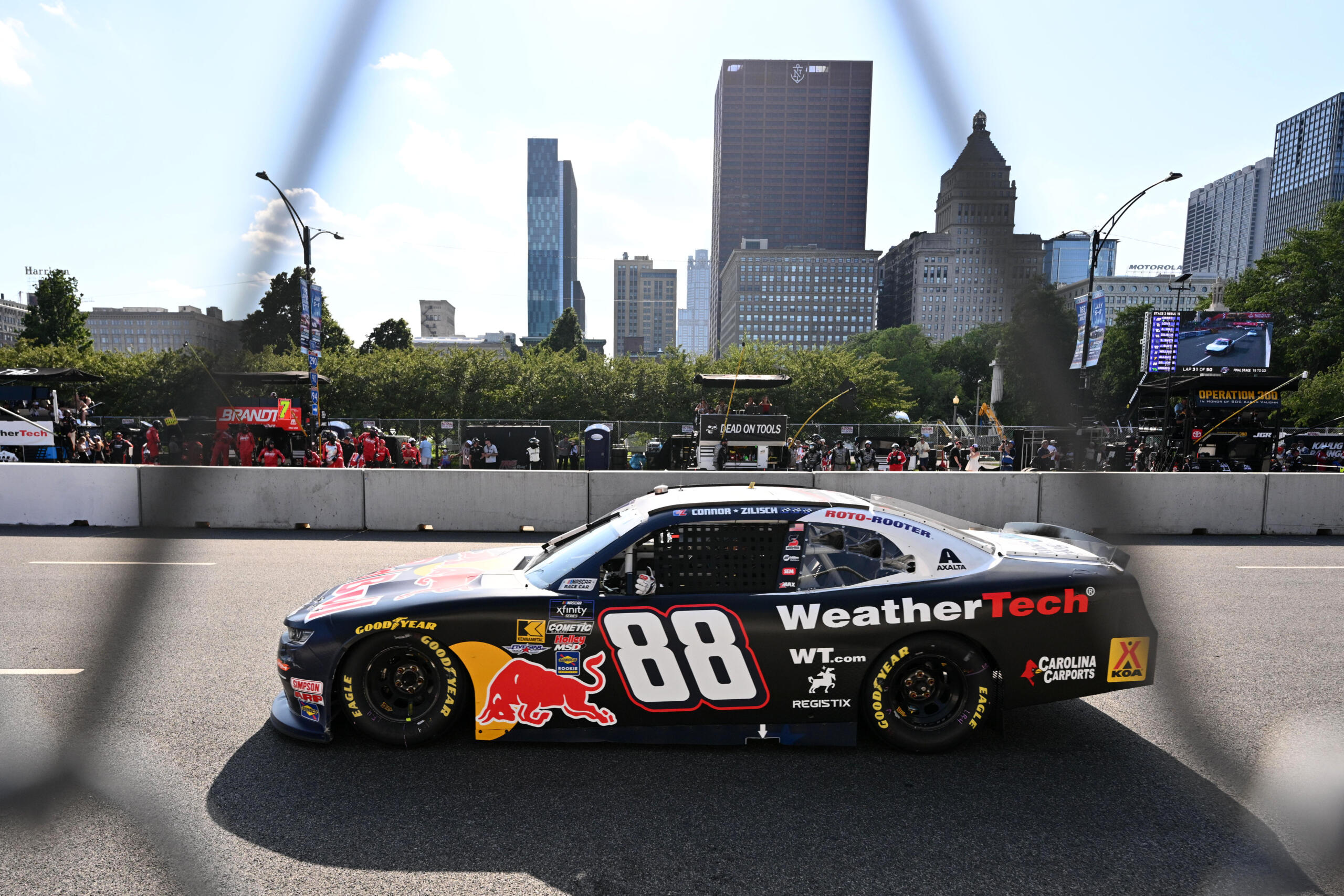
The Chicago Street Race was the first real signal that NASCAR was willing to challenge itself. A temporary circuit dropped into the heart of a major American city wasn’t a gimmick — it was a statement. Road-course racing, mechanical discipline and driver adaptability suddenly mattered in a way the schedule hadn’t demanded in years. Whether fans loved it or debated it, they paid attention. And that alone marked a win.
Next comes the San Diego Naval Base race, another swing that blends patriotism, pageantry and pure racing intrigue. It’s bold. It’s different. And it’s exactly the kind of risk a confident sport takes when it believes in its product.
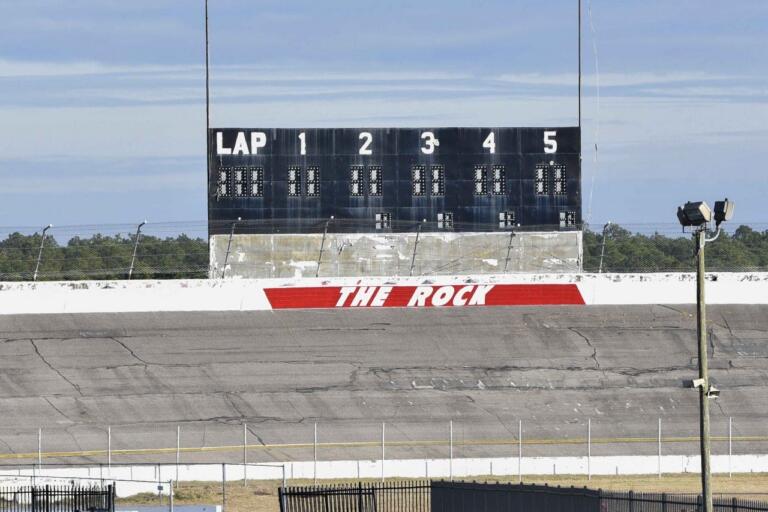
Then there’s North Wilkesboro — a revival few thought possible, now a pillar of NASCAR’s future. Bringing racing back to the foothills wasn’t just about history. It was about restoring respect for short-track racing and the drivers who can still wheel a car without relying on aero tricks. The track’s return, now elevated into meaningful points-paying relevance, underscores a schedule that refuses to let drivers hide.
And when Kennedy helped return the Clash to Bowman Gray Stadium, the message was unmistakable: NASCAR remembers who built it. Tight quarters. Bent fenders. Emotion over elegance. The Clash didn’t just work — it reminded fans what unfiltered stock car racing looks like.
This schedule challenges drivers across disciplines: superspeedways, intermediates, short tracks, road courses, street circuits and throwback bullrings. There’s nowhere to coast. No single style dominates. The champion who emerges survives every test NASCAR can throw at them — and that’s exactly how it should be.
What makes Kennedy’s work resonate isn’t just creativity. It’s listening.
Fans asked for authenticity. They got it. Drivers wanted diversity. They got it. The sport needed energy. It got momentum.
NASCAR isn’t chasing trends anymore — it’s setting them. And Kennedy’s fingerprints are all over that shift. He understands that tradition and innovation aren’t opposites. They’re partners. When balanced correctly, they elevate the product instead of diluting it.
There’s a genuine optimism around the sport right now — in the garage, in the grandstands and on television. That doesn’t happen by accident. It happens when leadership trusts the core, respects the past and isn’t afraid to push forward.
Ben Kennedy isn’t just scheduling races. He’s restoring belief.
And if the early returns are any indication, NASCAR fans are in for one hell of a ride.
Check Out All EasySportz College Football Content Here!
College Football Viewing Guide