The 2025 Big 12 season is complete, and after a wild Week 14, the championship matchup is set, featuring two newcomers to the title game. Here is the definitive look at the Big 12 hierarchy heading into the Championship weekend.
Check Out All EasySportz College Football Content Here!
The Championship Tier (1st – 2nd)
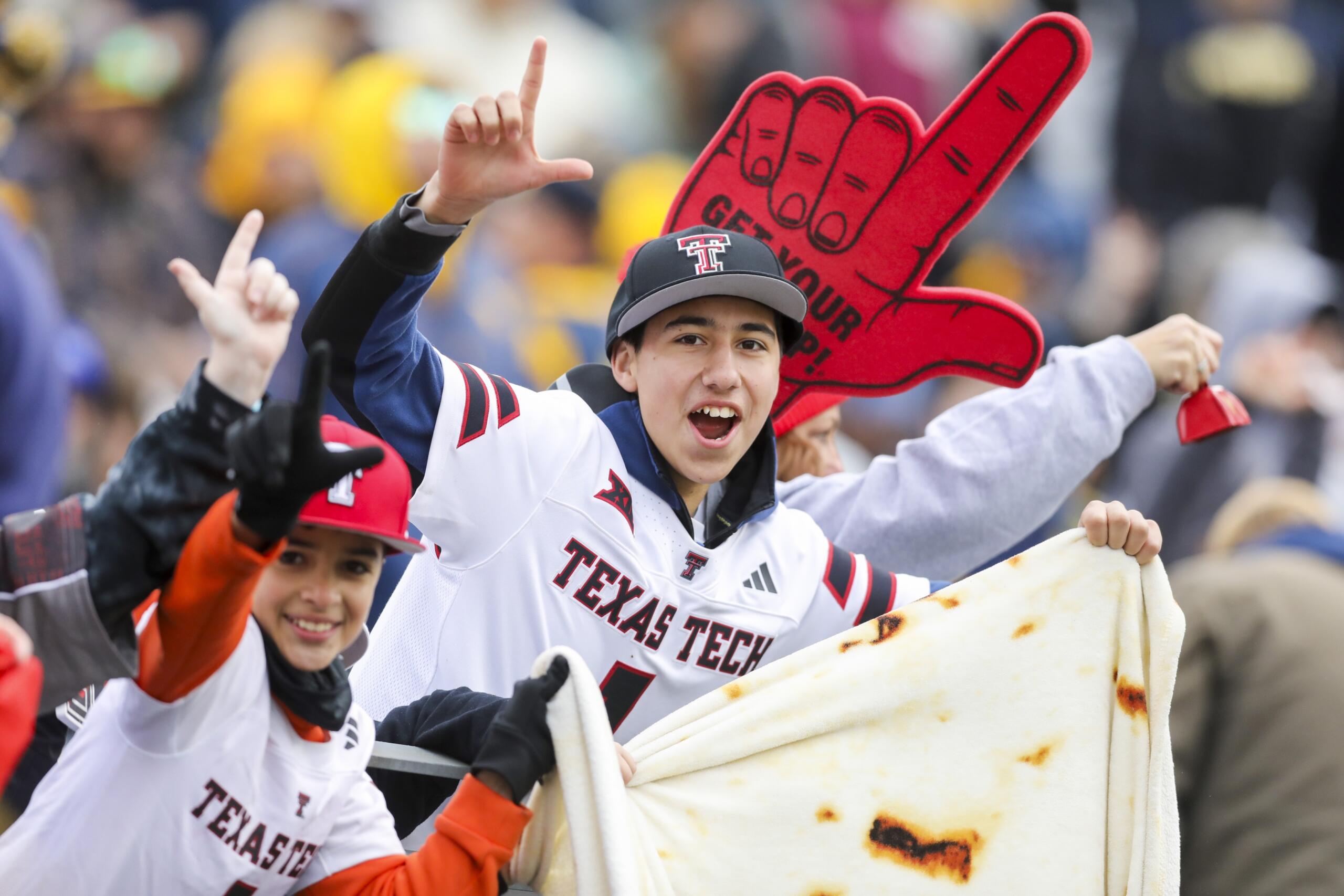
1. Texas Tech Red Raiders (11-1 Overall, 8-1 Conference): The Red Raiders capped off a dream season with a dominant 49-0 shutout victory over West Virginia, securing the top seed in the Big 12 Championship. Led by an elite defense that finished as the best scoring unit in the conference (11.3 PPG allowed), Texas Tech proved its preseason hype was real, posting an incredible 11-1 record and earning a likely spot in the College Football Playoff.
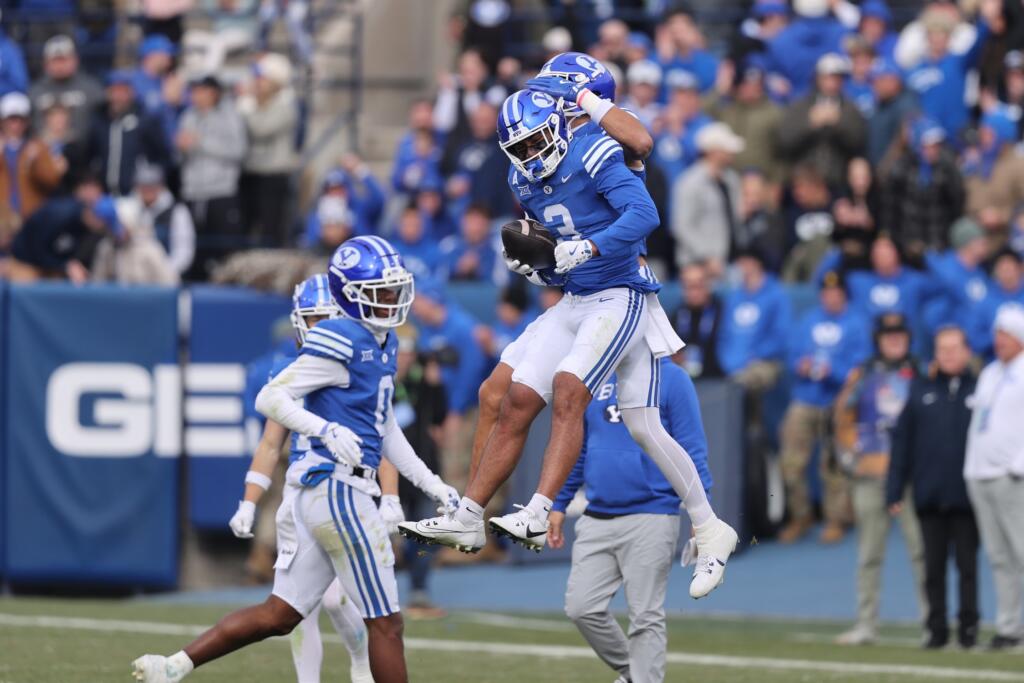
2. BYU Cougars (11-1 Overall, 8-1 Conference): BYU secured the second spot in the title game, thanks to an impressive come from behind 41-21 victory over UCF in the regular season finale. The Cougars exceeded all expectations, matching Texas Tech’s 8-1 conference record in only their third year in the league. With strong quarterback play and a top-tier defense, BYU finished 11-1 overall, making them one of the nation’s biggest success stories.
The Upper Echelon (3rd – 6th)
3. Utah Utes (10-2 Overall, 7-2 Conference): The Utes were consistently one of the Big 12’s best and most reliable teams, finishing with a 10-2 record. Their methodical, physical style resulted in a third-place finish and proved them to be ready for the new conference challenge. Utah missed the title game by one game in the loss column but is positioned for a New Year’s Six bowl.
4. Arizona Wildcats (9-3 Overall, 6-3 Conference): Arizona put together a strong 9-win season, concluding the year with a decisive 23-7 victory over rival Arizona State in the Territorial Cup. The Wildcats were highly competitive in every game and secured a strong third-tier finish, signaling a powerful future under their new coaching staff.
5. Houston Cougars (9-3 Overall, 6-3 Conference): Coach Willie Fritz engineered a massive turnaround in Houston, leading the Cougars to nine total wins. They clinched their 6-3 conference record by securing a hard-fought 31-24 victory over rival Baylor in the final week, proving they are ready to compete immediately in the expanded Big 12.
6. Arizona State Sun Devils (8-4 Overall, 6-3 Conference): The defending Big 12 champions had a decent follow-up year, finishing 8-4. However, their regular-season ended on a sour note with a tough loss to rival Arizona, leaving them in the middle of the crowded 6-3 pack and facing a lower-tier bowl game than they had hoped for.
The Bowl Tier (7th – 11th)
This tier was defined by massive parity, with five teams finishing 5-4 in conference play, often separated by head-to-head results.
7. TCU Horned Frogs (8-4 Overall, 5-4 Conference): TCU finished the year strong, dominating Cincinnati 45-23. The Horned Frogs showed flashes of elite offense but lacked the consistency needed to compete for a top-four spot. They secured eight wins and a respectable bowl bid.
8. Iowa State Cyclones (8-4 Overall, 5-4 Conference): The Cyclones managed to find eight total wins this season, including a grind-it-out 20-13 rivalry victory over Oklahoma State in the finale. Iowa State relied heavily on its defense to navigate a tough Big 12 schedule.
9. Cincinnati Bearcats (7-5 Overall, 5-4 Conference): The Bearcats were competitive in their second Big 12 season, securing seven wins and a 5-4 conference mark. They showed grit in the middle of the season but faded in the final weeks with losses to TCU and Utah.
10. Kansas State Wildcats (6-6 Overall, 5-4 Conference): Kansas State stumbled slightly to start the season, and they needed a win over Colorado to achieve bowl eligibility. The Wildcats were expected to compete for the Big 12 title, and 6-6 is a disappointing season result.
11. Kansas Jayhawks (5-7 Overall, 3-6 Conference): The Jayhawks failed to reach bowl eligibility after a disappointing Week 14 loss to Utah. Injuries and inconsistency prevented them from building on early-season momentum, leading to a frustrating finish.
Rebuilding and Struggling (12th – 16th)
12. Baylor Bears (5-7 Overall, 3-6 Conference): The Bears struggled heavily in conference play, finishing 3-6 and missing bowl eligibility after losing the final-week rivalry game to Houston. They will enter the offseason looking to rekindle the defensive identity the program is known for under coach Dave Aranda.
13. UCF Knights (5-7 Overall, 2-7 Conference): The Knights showed a spark early but faded badly in Big 12 play, finishing 2-7 in Coach Scott Frost’s return to Orlando. They failed to achieve bowl eligibility after a loss to BYU in the finale, indicating a need for greater depth and consistency in the coming seasons.
14. West Virginia Mountaineers (4-8 Overall, 2-7 Conference): West Virginia had a difficult season, finishing 4-8 overall. Their offense struggled to keep pace in the high-scoring Big 12, culminating in a humbling shutout loss to Texas Tech in the final game.
15. Colorado Buffaloes (3-9 Overall, 1-8 Conference): The Buffaloes had a year of struggles in Boulder. Their single conference win did not offset the difficulties they faced in replacing Travis Hunter and Shadeur Sanders.
16. Oklahoma State Cowboys (1-11 Overall, 0-9 Conference): The worst season in the Big 12 by far. Oklahoma State managed only one win all year, going winless in conference play (0-9). The program struggled on both sides of the ball and faces an intensive rebuild during the offseason under new head coach Eric Morris.