CLEMSON, S.C. — When your dynasty is beloved, beautiful and broken only in its aftermath, the tendency is to point at the person in the big chair. In Clemson’s case, that’s been Dabo Swinney. But as the Tigers flail through the post-2020 era, a much deeper truth is coming into focus: the real engines of Clemson’s glory run through Brent Venables and Tony Elliott. Those two architects—the defensive mastermind and the offensive wizard—were the hydraulic lift beneath the national championship runs. Without them, Clemson has barely maintained altitude. And now, watching Venables and Elliott succeed elsewhere, it’s clear: Swinney’s ceiling might be high, but without his coordinators, it isn’t elite.
Venables: The Lion in the Trenches
Let’s start with Venables, the defensive architect who framed Clemson’s most fearsome era. When he arrived in 2012, he didn’t just coach — he built. Under his watch, Clemson led the nation in tackles for loss in 2013, 2014, 2015 and 2016. That sustained violence up front became their calling card: disruptive, physical, relentless. His 2016 defense notched 130 TFLs and a school-record 49 sacks. In 2020, his unit generated 46 sacks again, tying for the most in the country—and they did it with a deep rotation, not just a few standout stars.
Venables didn’t just rack up stats: he recruited, coached, and developed. His defenses consistently ranked among the top in third-down stops, red zone resistance, and points-per-possession allowed. Swinney himself once said hiring Venables was one of the best decisions he ever made—because Venables brought philosophy, fire, and an institutional identity that screamed “Clemson defense.”
When Venables left for Oklahoma after the 2021 season, the fallout wasn’t subtle. Clemson’s run defense cratered, giving up more than 160 yards per game in a recent season—its worst mark in over a decade. That drop-off didn’t come because of bad athletes; it came because the coach who commanded violence at the line, who pressed the gas and forced negative plays, was gone. The Tigers simply didn’t regenerate the terror they used to be.
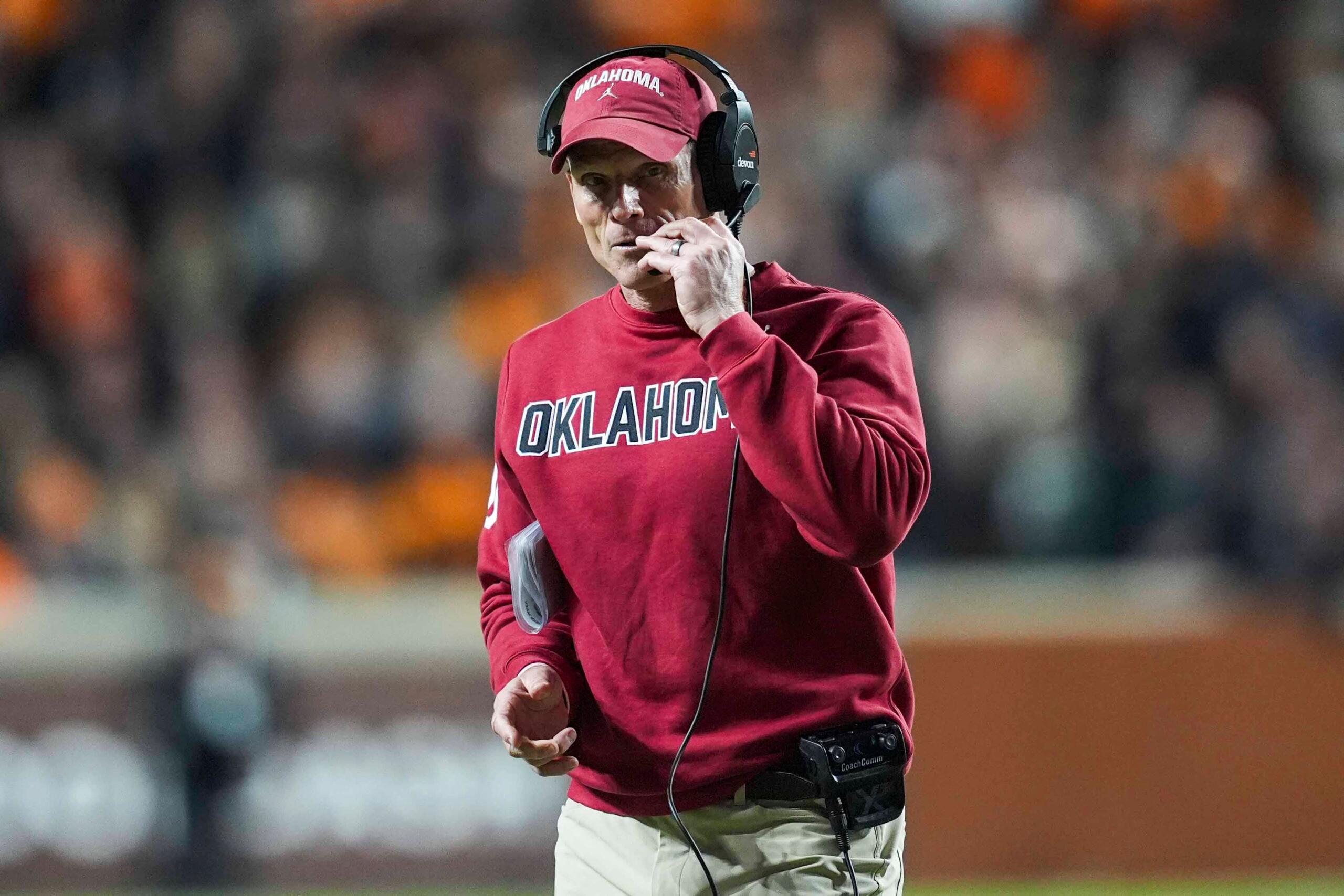
Now look at Oklahoma. Remember the Lincoln Riley era in Norman? Flashy offense, Heisman contender QBs and an infamous lack for defensive stops?
Yea, Oklahoma pretty much did a 180 under Venables. The Sooners are elite on the defensive side of the ball now and just okay on offense, but good enough to get by with a healthy John Mateer under center.
Elliott: The Offensive Alchemist
On the other side of the ball, Tony Elliott oversaw some of the most electric offenses of the modern era. When he called the plays, Clemson ran with tempo, space, and dynamics that made industry scouts drool. Under him, the offense scored efficiently, turned big games into blowouts, and made the most of Deshaun Watson’s improvisation or Trevor Lawrence’s precision. That consistency helped fuel multiple double-digit win seasons and kept Clemson in the national picture, even when Kelly Bryant was under center.
When Elliott left for Virginia, Clemson’s offense lost more than a play-caller—it lost a mindset. Since his departure, Clemson’s once-fluid attack has shown cracks: difficulty developing quarterbacks, fewer explosive downfield plays, and a lack of offensive identity. That drop-off is real, measurable, and troubling given how much Elliott meant to that program’s success.
Swinney vs. the Architects
Make no mistake: Dabo Swinney is a good coach. He’s won championships, recruited and developed elite talent, and built a brand that rivals almost any in college football. But the blueprint for his glory years came from his coordinators. Coaches like Nick Saban, Kirby Smart, Urban Meyer and Ryan Day have proven they can survive losing top assistants, bringing in fresh coordinators who win. Swinney? Not so much.
Since Venables and Elliott left, Clemson has reached the College Football Playoff only once—and that thanks to an automatic bid, despite three regular season losses, where the Tigers lost to the two SEC opponents they faced on the schedule. It’s a reality check: without the duo, Clemson hasn’t won a signature game against a blue-chip, loaded roster. It showed on film against Texas in the playoff too and again in Week 1 vs. Brian Kelly and the LSU Tigers.
Swinney’s nagging limitations are emerging in real time.
The Legacy, and What Comes Next
Watching Venables thrive at Oklahoma and Elliott re-energize Virginia brings clarity: the Clemson dynasty was never just Swinney’s. It was built on brilliant scheming, relentless recruiting, and game-planning brilliance. Their success elsewhere proves they weren’t just coordinators—they were generational leaders.
Clemson’s loyal fans deserve better than the aww shucks, “we’ll always be good,” shrug of Dabo Swinney. They deserve greatness again. But if Swinney wants to climb back into the elite tier—if he wants another playoff berth or even a shot at a national title—it may require humility: acknowledging the architects behind the dynasty, rebuilding his staff around that level of vision, and remembering that culture matters as much as charisma.
Everyone loves to point fingers at Swinney’s refusal to dip into the transfer portal in this new age of college football. Sure, it’s not making matters any easier, but it’s not the sole reason Clemson fell off its perch as an annual juggernaut.
The cloud of legacy Swinney built was brilliant, but without Venables and Elliott, that cloud is thinning. The program can—and should—get back to greatness. But the future belongs to those who remember the blueprint. The real keys weren’t just in the head coach’s office. They were in the minds of two coordinators who understood pain, bewilderment, and brilliance in equal measure. Clemson would do well to remember that and adjust its expectations accordingly.
Firing Swinney in this chaotic coaching cycle makes little sense, but the program does need to try something different soon.
Whether that’s a hard dose of self-reflection in the mirror or a push towards NIL support in the portal, the clock is ticking and patience is wearing thin.
It’s unlikely Clemson will have a roster as experienced as this year’s ever again. Now, it’s time to adapt. The good ole days in Death Valley are long gone.
Adjust your expectations and prepare accordingly.
Check Out All EasySportz College Football Content Here!
College Football Viewing Guide, Week 13